Vestibular Rehabilitation
Dizziness and vertigo can take over more than you expect
Dizziness and vertigo aren’t just uncomfortable - they can change how you move through your day and they create really high risk of falls.
You might notice it when you turn your head too quickly.
When the room spins as you lie down or get up.
When you feel unsteady walking, especially in busy places or uneven spaces.
Over time, many people start avoiding things - driving, exercise, even simple outings because they’re not sure how their body will respond.
It’s more than dizziness
For many people, it doesn’t stop at feeling a bit off.
It’s the foggy head that won’t clear.
The anxiety that creeps in because you don’t trust your body anymore.
The constant effort it takes just to get through normal things.
You might feel:
Like your thinking isn’t as sharp as it used to be
Drained by supermarkets, screens, or busy environments
On edge, because you don’t know when it will hit
Frustrated trying to explain something no one else can see
And over time, you may have been told:
“Everything looks normal.”
“You’ll just have to live with it.”
“Maybe it’s your age.”
That’s often when people start to question themselves -
“Is this just me?”
It’s not.
These symptoms are real. And in many cases, they can be worked with.
This is something we see often and help people work through
Your sense of balance comes from several systems working together - your inner ear (vestibular system), your eyes, your neck, and your joints. It can also affect your nervous system creating a dizzy anxiety loop.
When those systems stop working together properly, that’s when dizziness, vertigo, and that “not quite right” feeling begins.
This can happen after:
BPPV (benign paroxysmal positional vertigo)
Vestibular neuritis or labyrinthitis
Illness or infection
Concussion
Vestibular Migraine or Meniere’s Disease
Other Neurological conditions
Or sometimes without a clear starting point
What most people don’t realise is that the brain can learn to recalibrate - when it’s given the right input.
That’s where vestibular rehabilitation comes in.
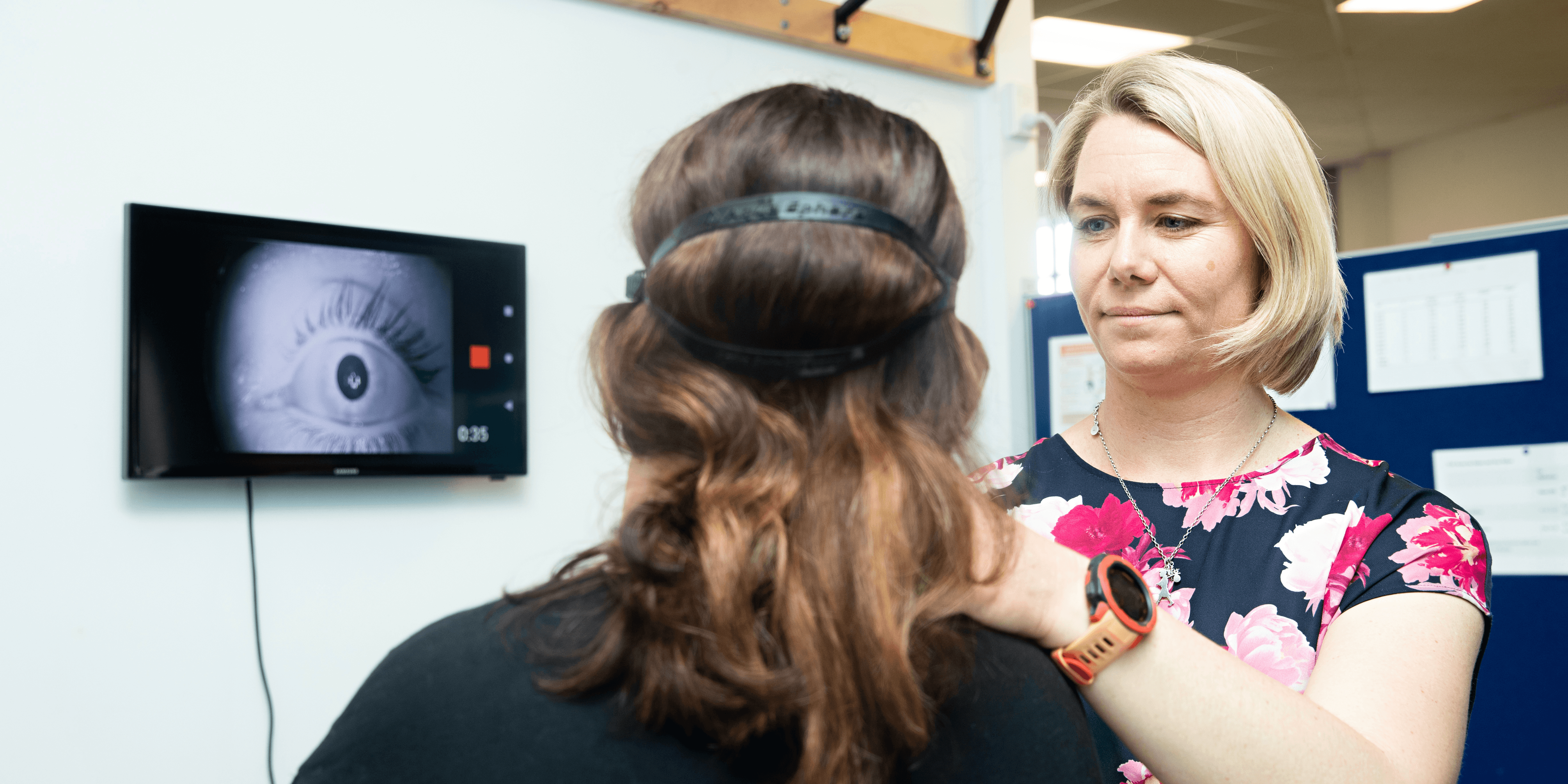
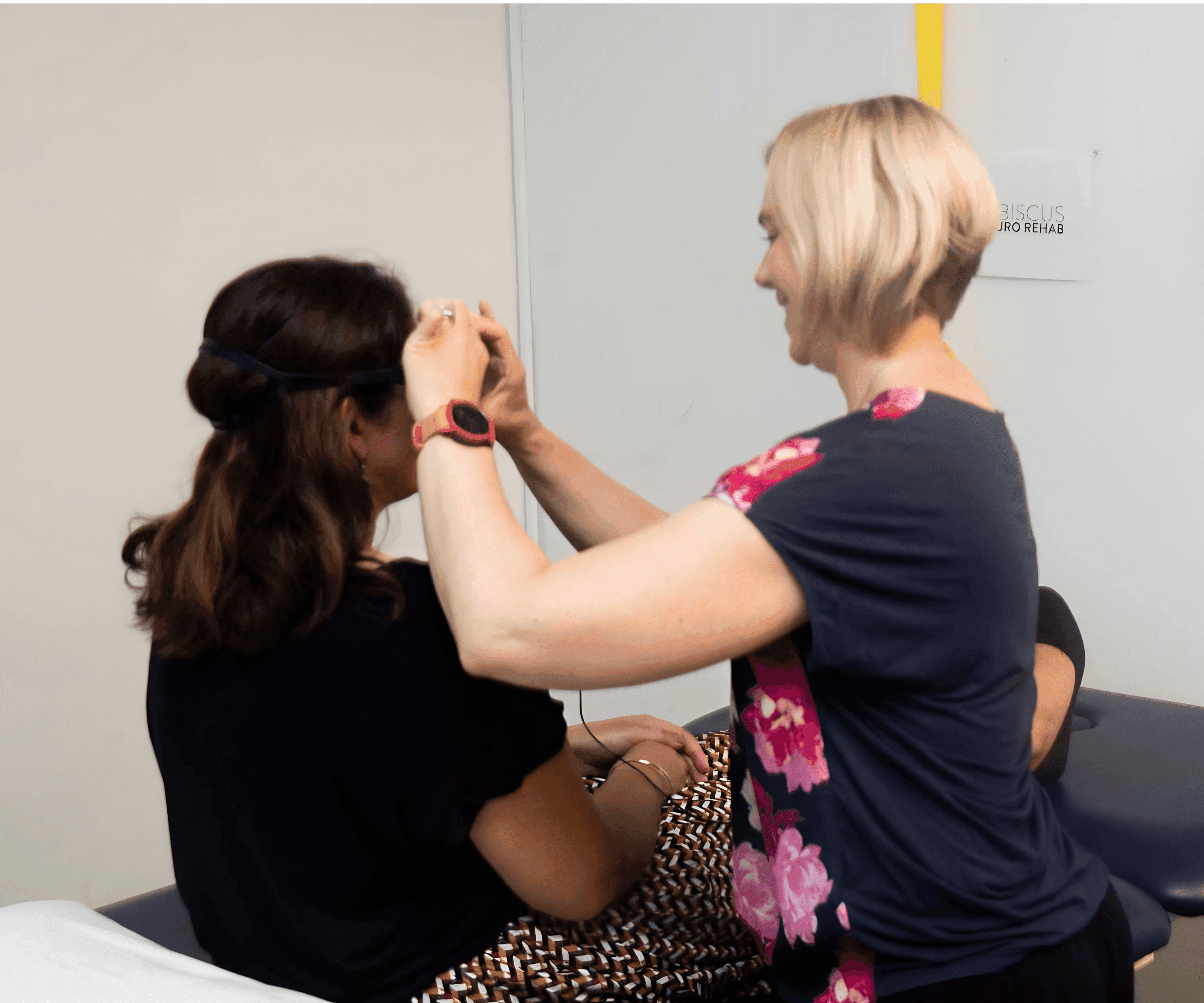
What vestibular Rehabilitation looks like at HNR
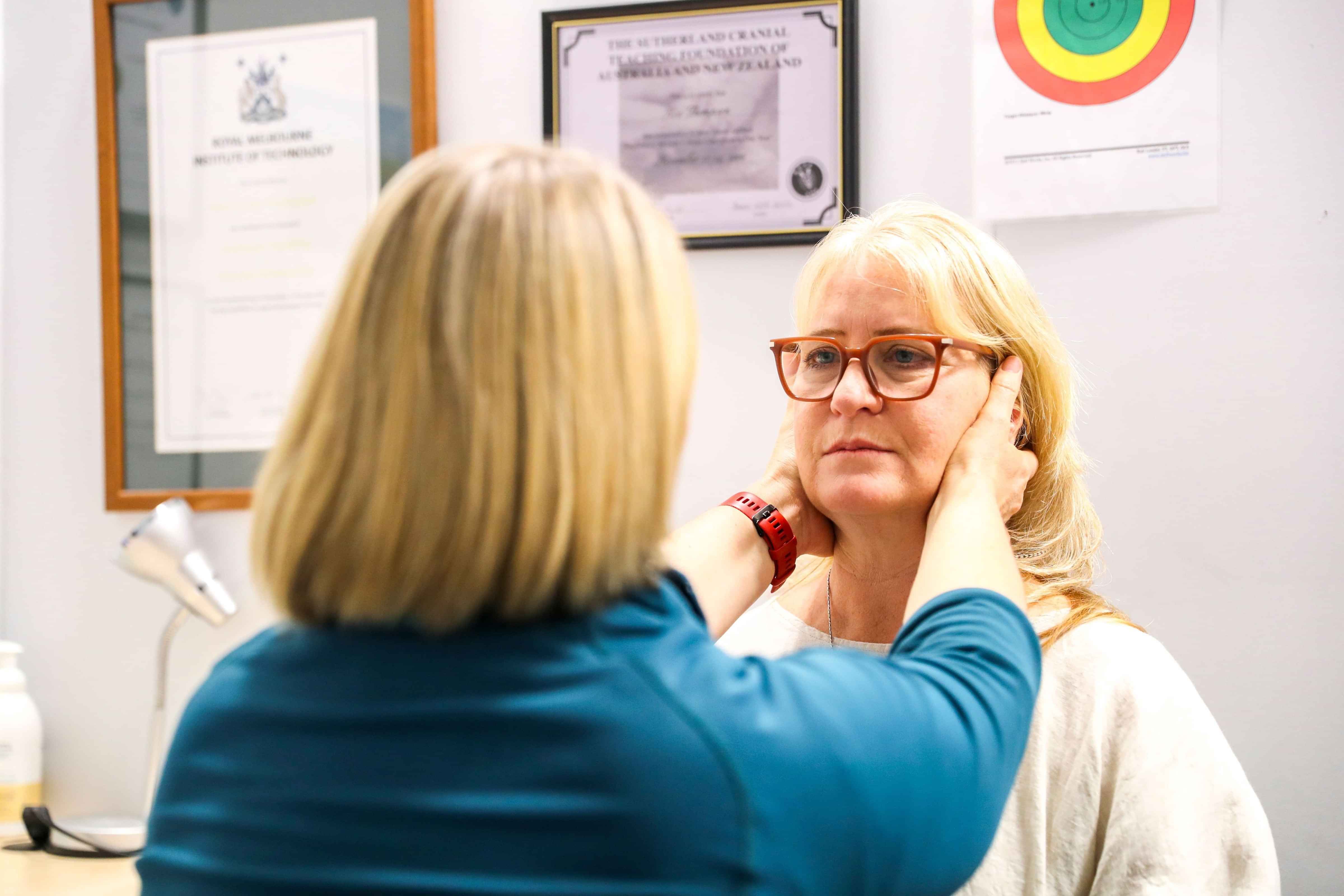
We start with a thorough assessment to understand. What’s driving your symptoms.
We assess and treat a wide range of vestibular and balance conditions, including:
From there, your programme may include:
BPPV repositioning - gentle specific techniques to clear displaced crystals in the inner ear
Vestibular exercises to help your brain recalibrate how it reads balance signals
Gaze stabilisation training reducing dizziness with head movement and visual stimulation
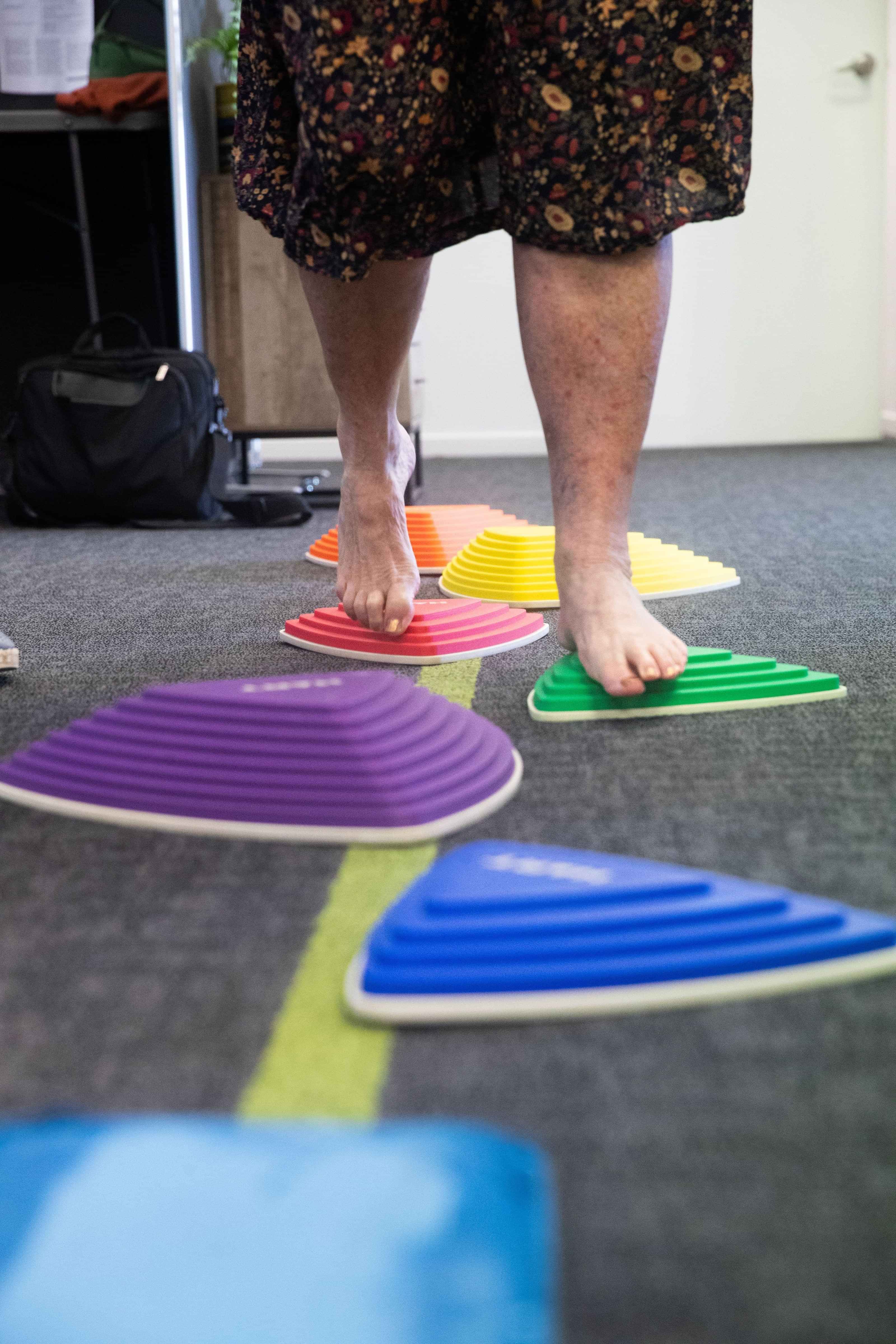
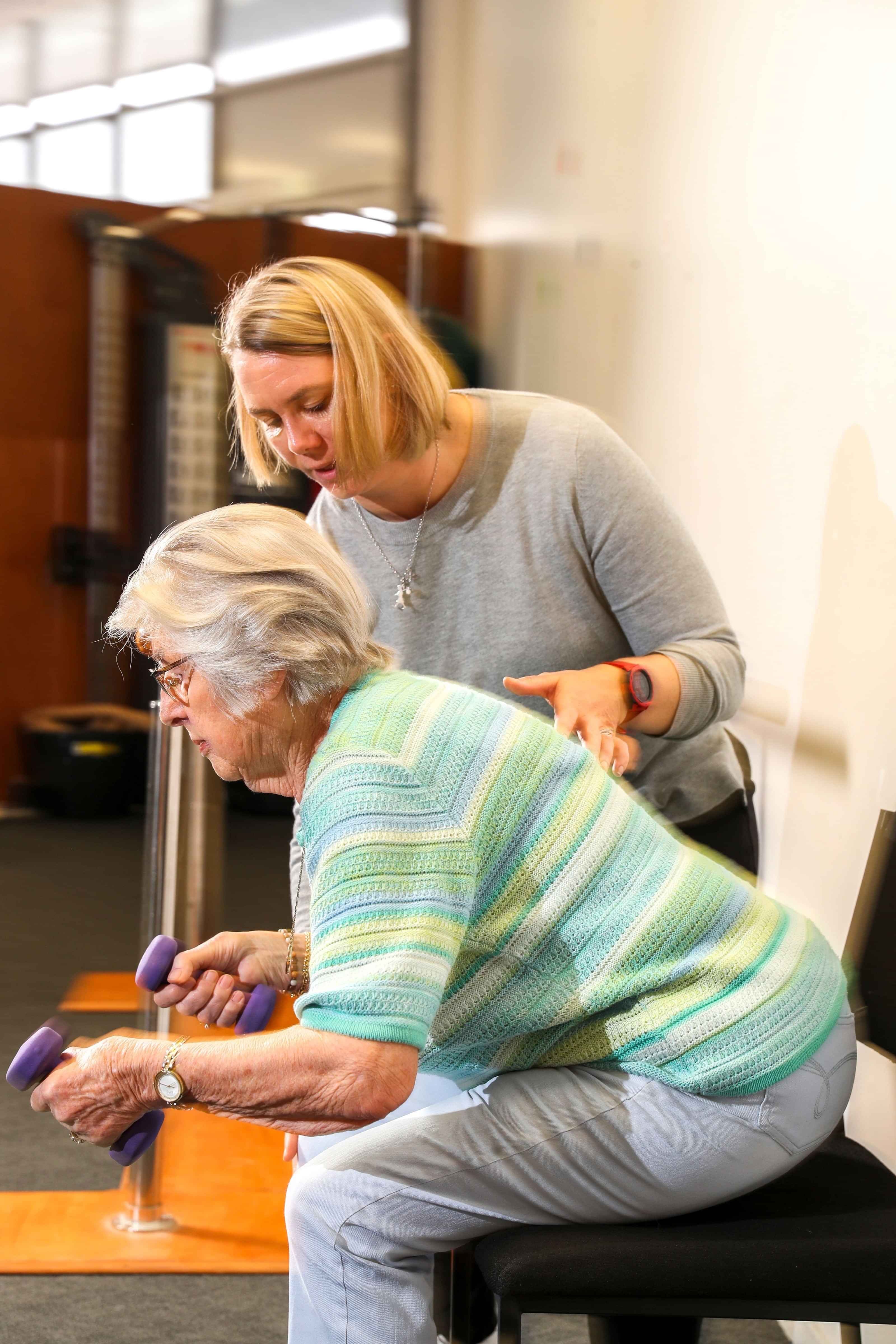
Balance and walking rehabilitation - building confidence on your feet
Education about your condition - understanding what's happening reduces fear and helps recovery and understanding how your body is trying to protect you and driving up anxiety and avoidance
Graded return to activities including - driving, exercise, and the things that dizziness has been keeping you from
We move carefully especially early on when symptoms can feel sensitive in the early stages, when symptoms can be sensitive.
Many people are surprised by how much is possible when they understand what’s going on.
You don't have to keep managing around it
If dizziness or vertigo has been part of your day even for a long time - it’s worth getting a clear understanding of what’s going on.
We’ll work with you to understand what’s driving your symptoms and what your next steps could look like.
Your Questions Answered
How do I know if my dizziness is a vestibular problem?
Vestibular dizziness often has clear patterns: it may be triggered or worsened by head movement, position changes (lying down, rolling over, sitting up), or visually busy environments. You might feel like the room is spinning, or like you're on a boat. You might feel unsteady on your feet, or have difficulty with busy supermarkets or screens. That said, dizziness has many possible causes — which is why a thorough assessment is the right place to start. We'll work out what's driving it and whether vestibular rehabilitation is the right approach.
I've been told I have BPPV. What does that mean and can it be treated?
BPPV stands for benign paroxysmal positional vertigo it's the most common cause of vertigo, and it's caused by small calcium crystals becoming dislodged in the inner ear and moving into places they shouldn't be. The result is brief but intense spinning, usually triggered by lying down, turning over in bed, or looking up. The good news is that BPPV responds very well to treatment - specific repositioning manoeuvres that move the calcium carbonate crystals back to where they belong.
I've had dizziness for a long time. Can it still be treated?
In majority of cases, absolutely yes. There can be a number of reasons dizziness lasts a long time. Sometimes people have lived with BPPV for a long period or they have an episodic condition such as vestibular migraine or meniere's disease that cause their dizziness, other times the brain has adapted in an unhelpful way.
Chronic dizziness often involves the brain adapting to a faulty signal from the vestibular system in unhelpful ways - a process called compensation. Vestibular rehabilitation works by giving the brain the right information to recalibrate. It can take longer when symptoms have been present for a while, but we've seen people make significant progress after years of dizziness. An assessment will give you a clearer picture of what's going on and what's likely to help.
Will vestibular exercises make my dizziness worse before it gets better?
Sometimes, yes and that's normal. Vestibular exercises work by gently challenging the system, which can provoke mild symptoms at first. We explain this clearly before we start, and we calibrate the exercises carefully so that you're working at the right level, challenged enough to make progress, but not overwhelmed. Most people find that symptoms settle between sessions and improve progressively over time.
I get car sick and struggle with screens since my symptoms started. Is that related?
Very likely, yes. Motion sensitivity and visual sensitivity are common features of vestibular dysfunction they happen when the brain is getting conflicting signals from the inner ear, eyes, and body. These symptoms can be really disruptive to daily life, and they're something we address directly in rehabilitation. Graded exposure and specific exercises can help your brain recalibrate how it handles these situations.
I’ve been told my ears are fine and there is nothing wrong. Why do I still feel dizzy?
This is something we hear a lot.
Basic ear tests are designed to rule out specific medical issues — but they don’t always pick up how the balance system is functioning as a whole.
Your sense of balance depends on your inner ear, your eyes, your neck, and how your brain is processing all of that information together.
Sometimes the problem isn’t that something is “damaged” it’s that these systems are no longer working together properly.
That can leave you feeling:
Off-balance
Foggy or not quite yourself
Sensitive to movement or busy environments
Even when tests come back “normal”, the symptoms are very real.
A vestibular assessment looks at how these systems are working together and whether rehabilitation may help support your brain to recalibrate.
“I’ve had BPPV before - do I just need the Epley manoeuvre?”
That’s a great question and sometimes, yes.
If your dizziness is being caused by BPPV again, then repositioning manoeuvres like the Epley (although its not the only maneuver) can be very effective in settling those symptoms.
What’s important is making sure that’s actually what’s going on.
Not all dizziness that feels similar is BPPV — and treating the wrong thing can be frustrating if symptoms don’t improve or they keep coming back.
As part of your assessment, we check:
Whether BPPV is present
Which canal is involved (if it is)
Whether anything else is contributing to your symptoms
If it is BPPV, we can guide the appropriate repositioning manoeuvre.
If it’s something else, we’ll help you understand what’s driving it and what the next steps could look like.
Conditions we commonly support
Everyone’s experience is different. These are some of the more common conditions we support:
Supporting movement, balance, and everyday function - at a pace that's right for you
Targeted rehabilitation to support movement, walking, balance, and the independence that matters most to you.
Supporting recovery after brain injury or concussion, including fatigue, thinking changes, movement, and return to everyday life.
Supporting strength, mobility, and movement confidence, with a focus on the functional independence you want to get back to.
Assessment and rehabilitation for dizziness, vertigo, and balance difficulties helping you feel steadier in everyday movement.
Keeping you on your feet by Improving stability, reducing falls risk, and helping you move through daily life with more confidence with or without a diagnosed neurological condition
Supporting mobility, fitness sensory changes, fatigue, and balance, so you can keep doing what matters most to you
Rehabilitation focused on movement retraining, fatigue management, and building confidence in daily life — working with you to understand what helps and what doesn't.
Plus Other Neurological Disorders

Book a FREE Discovery Call
Not sure where to start? Book in a FREE 15 minute phone call with a member of our team so we can guide you in the right direction.
How we can help during this call?
Learn more about your situation and needs
Answer your initial questions
Explain how Hibiscus Neuro Rehab may be able to help
Guide you to the most appropriate therapist or service
You might be wondering
Can you actually help with my situation?
I’ve just received a diagnosis - what do I do next?
I know I need support, but I’m not sure where to start.
If that sounds like you, this call is a great place to begin.
Do you need a Doctor's referral?
No to see us, but for accessing ACC funded concussion services a GP referral is required as we might need to clarify this.
Do you do home visits?
Yes we do home visits covering the Hibiscus Coast and surrounding areas. Please get in touch so we can help.
Taking the first step can feel overwhelming, but you don’t have to do it alone. Hibiscus Neuro Rehab Whangaparoa and surrounding areas are here to support you from day one. We’re here for your next step, no matter how small.
Ph: 09 424 3254
Proudly providing Neuro Rehab in Whangaparoa, with home visits available across the Hibiscuss Coast and surrounding areas.