Hibiscus Neuro Rehab starts With Understanding You
Support For Dizziness, Concussion, Stroke, Parkinson's, Balance And Other Conditions
Vestibular and Balance Rehabilitation Support -
In Clinic or In Your Home

At Hibiscus Neuro Rehab, we focus entirely on neurological and vestibular rehabilitation
A neurological or balance condition can take away your confidence to move through your own life. We help you rebuild it, so you can keep living the life that matters to you.
We provide neuro rehab for people in Whangaparaoa and across the wider Hibiscus Coast, focused entirely on neurological and vestibular recovery.
Often people who are living with dizziness, balance problems, concussion, stroke, Parkinson’s, and other neurological conditions feel unsure where to turn next.
We focus on understanding what’s been going on for you, what matters most right now, and how neuro rehab may support your next steps - whether that’s in clinic, at home, or through ongoing guidance.
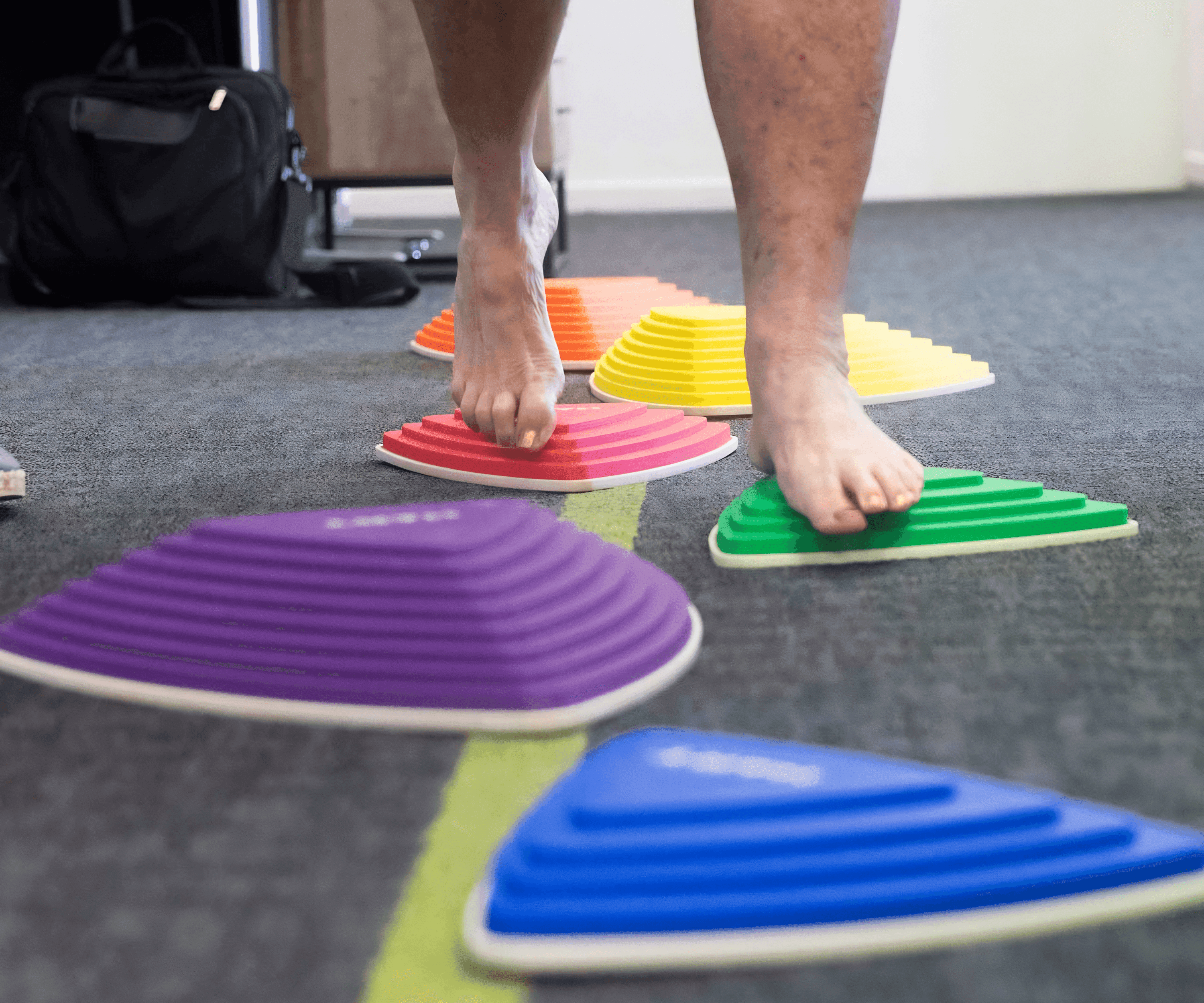

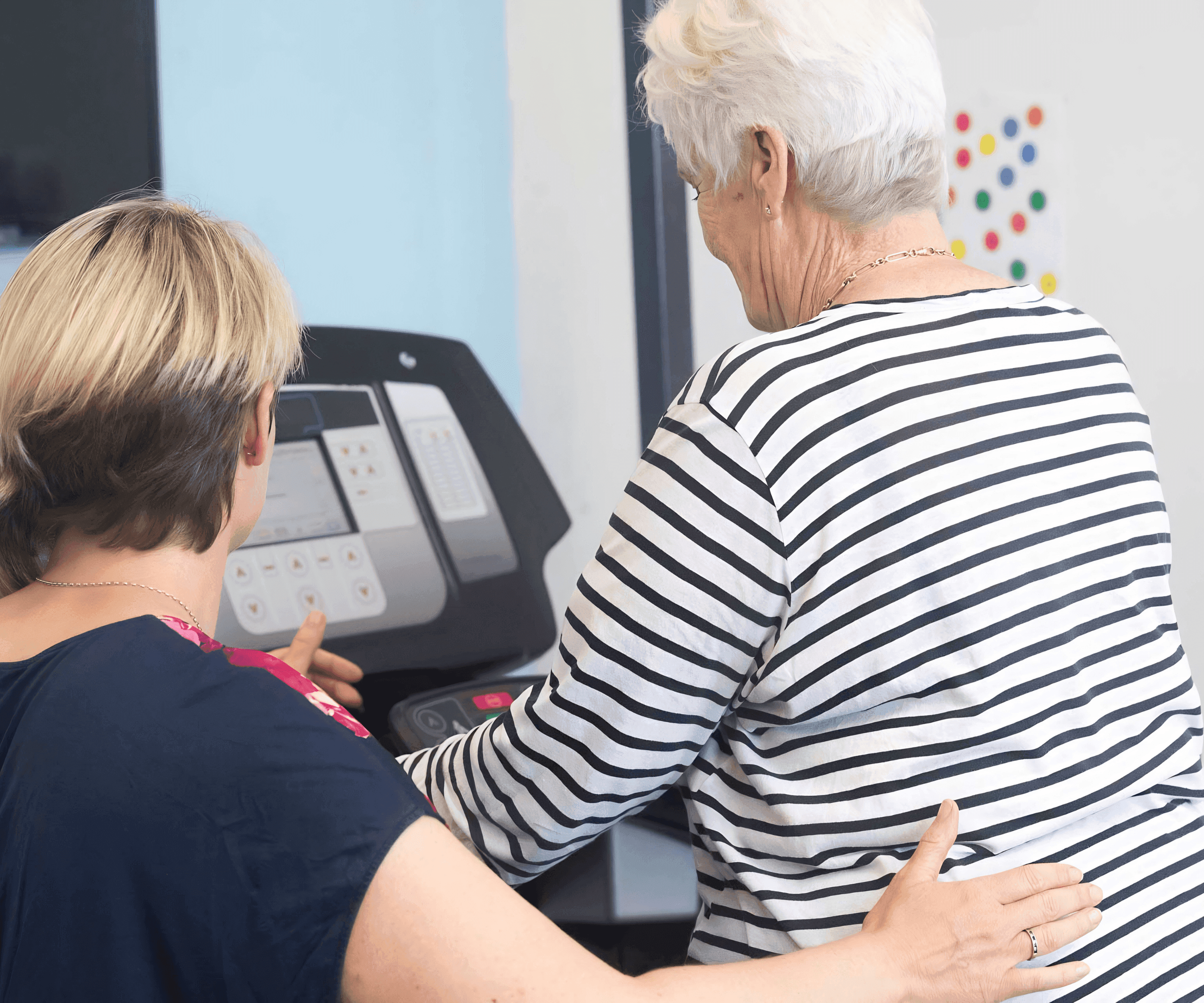
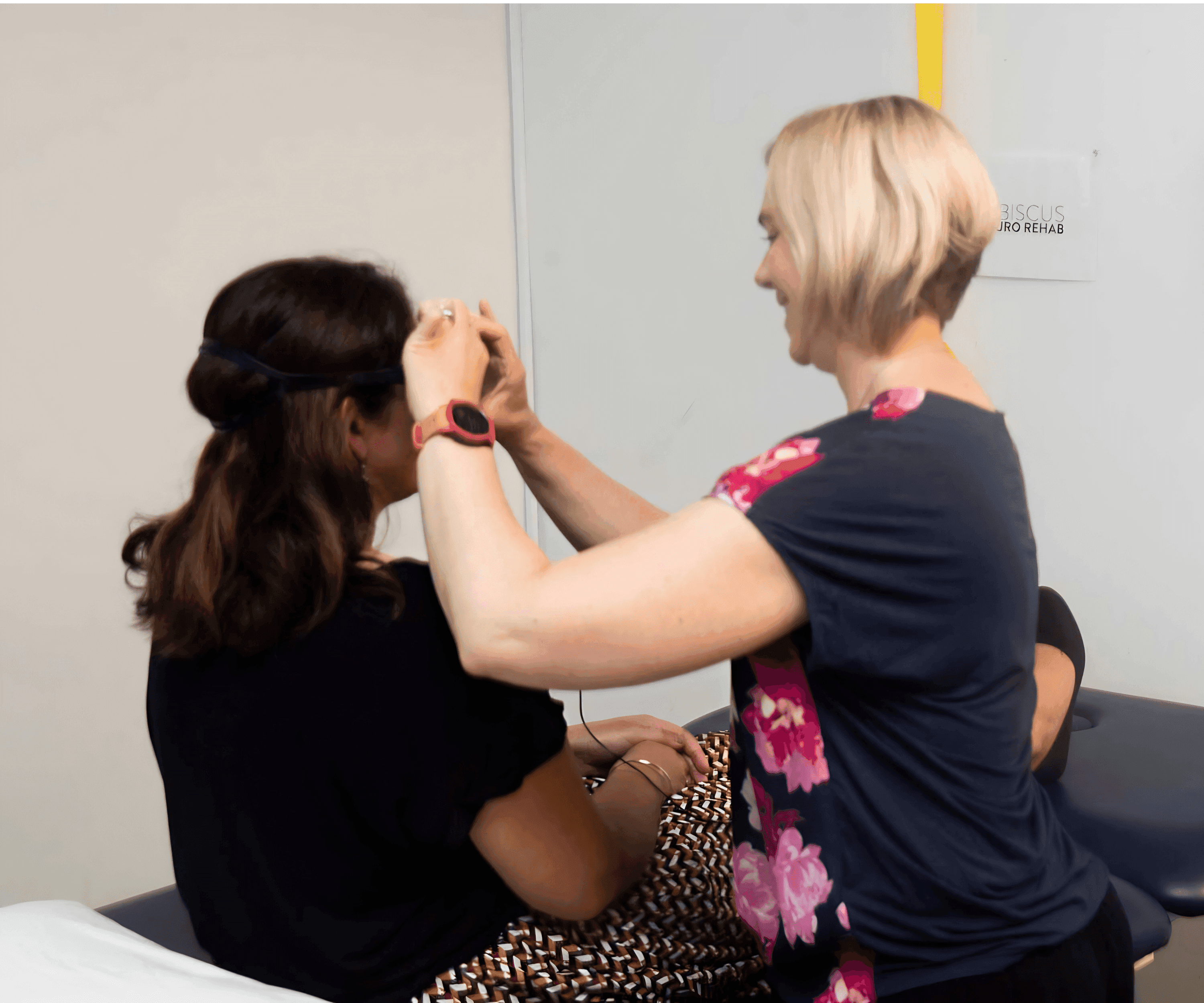
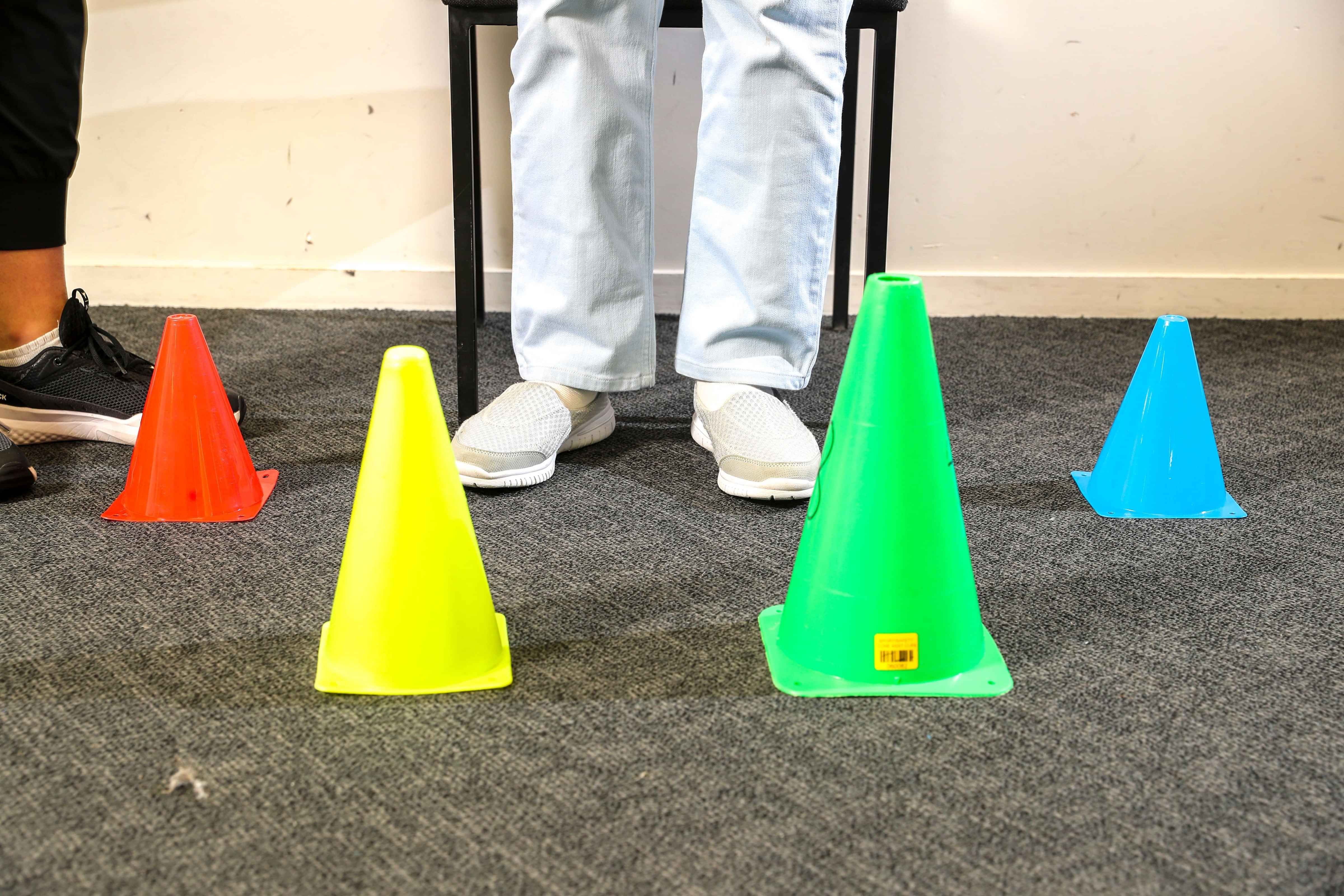
We support people living with Stroke, Parkinson’s, Vertigo, Concussion, Balance Difficulties, and other Neurological Conditions
Our role is to assess how your brain and body are working together, then guide you through rehabilitation that feels calm, supportive, and achievable - at your pace.
Care may involve physiotherapy, occupational therapy, or both working together,depending on what will best support you.
Our neuro rehab team supports people across Whangaparaoa, the wider Hibiscus Coast, and North Auckland. We also see people who travel from Warkworth, Wellsford, Mangawhai and wider Northland to access dedicated neurological and vestibular rehabilitation.
Clinic Appointments, Home Visits and Telehealth Available
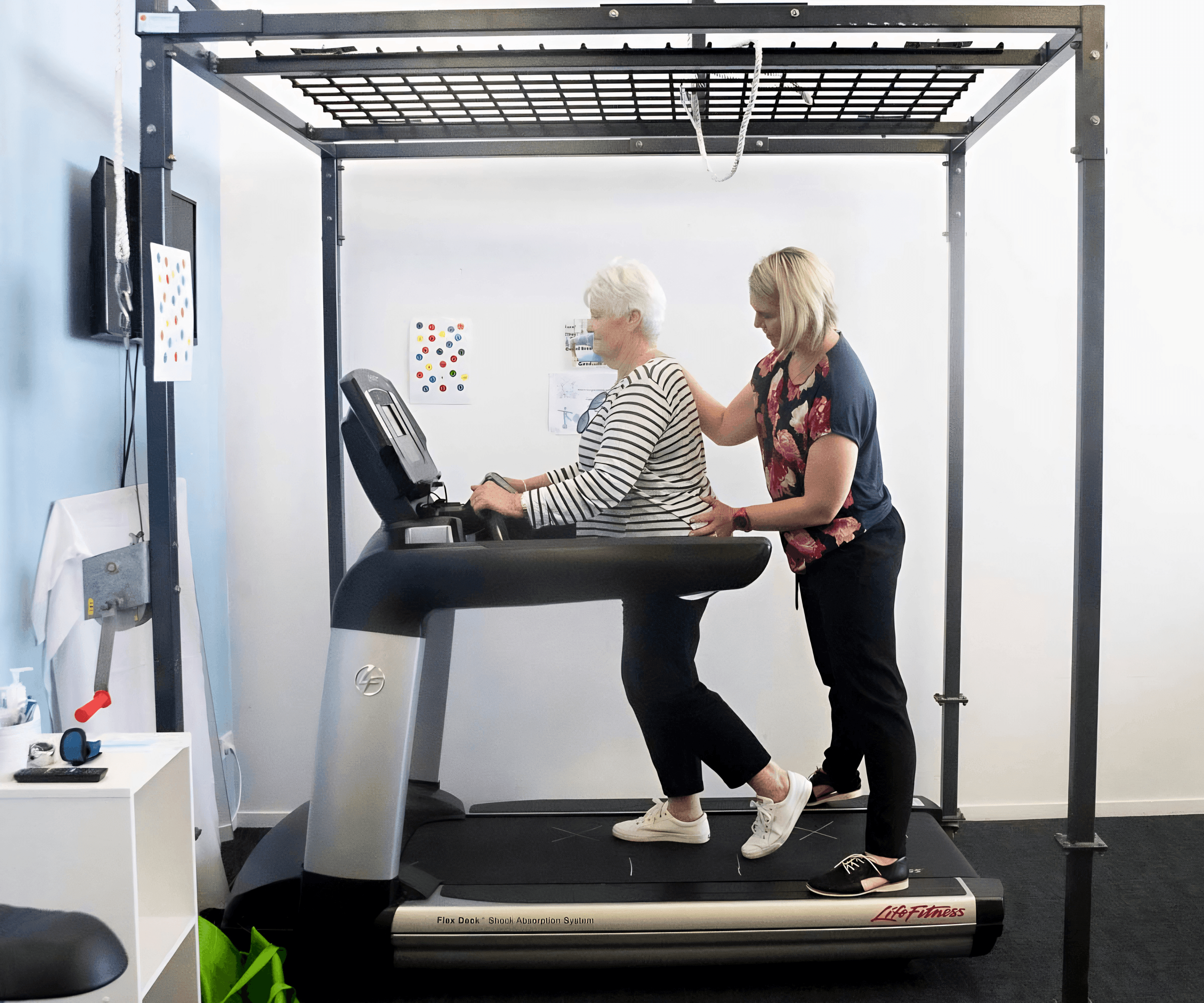
Programs and Services We Offer
Neurological Disorder Conditions
NEUROLOGICAL REHABILITATION
Living with a neurological condition can affect far more than movement alone.
Our neurological rehabilitation brings physiotherapists and occupational therapists together to support adults living with stroke, Parkinson’s disease, brain injury, multiple sclerosis, and other neurological conditions.
We focus on how movement, balance, daily activities, fatigue, or thinking demands have been affected - and how rehabilitation may support change over time, at your pace.
VESTIBULAR CARE (Dizziness & Balance)
Dizziness and balance problems often come from the way the inner ear (vestibular system) , eyes (vision), neck and joints (proprioception) work together to help you feel steady and oriented.
When that system is disrupted, people may feel unsteady, off‑balance, or disconnected from their surroundings - particularly with movement or visual stimulation.
We assess how these systems are working together and guide vestibular rehab that may help retrain balance and movement, in a calm, supportive environment.
SUPPORTIVE RECOVERY
No two people experience recovery the same way. We take the time to understand what matters most to you, then guide rehabilitation around realistic, meaningful goals.
Sessions combine movement, education, and practical strategies you can use in everday life - with support for both you and your family where helpful.
Supporting movement where it matters most, in everyday life.
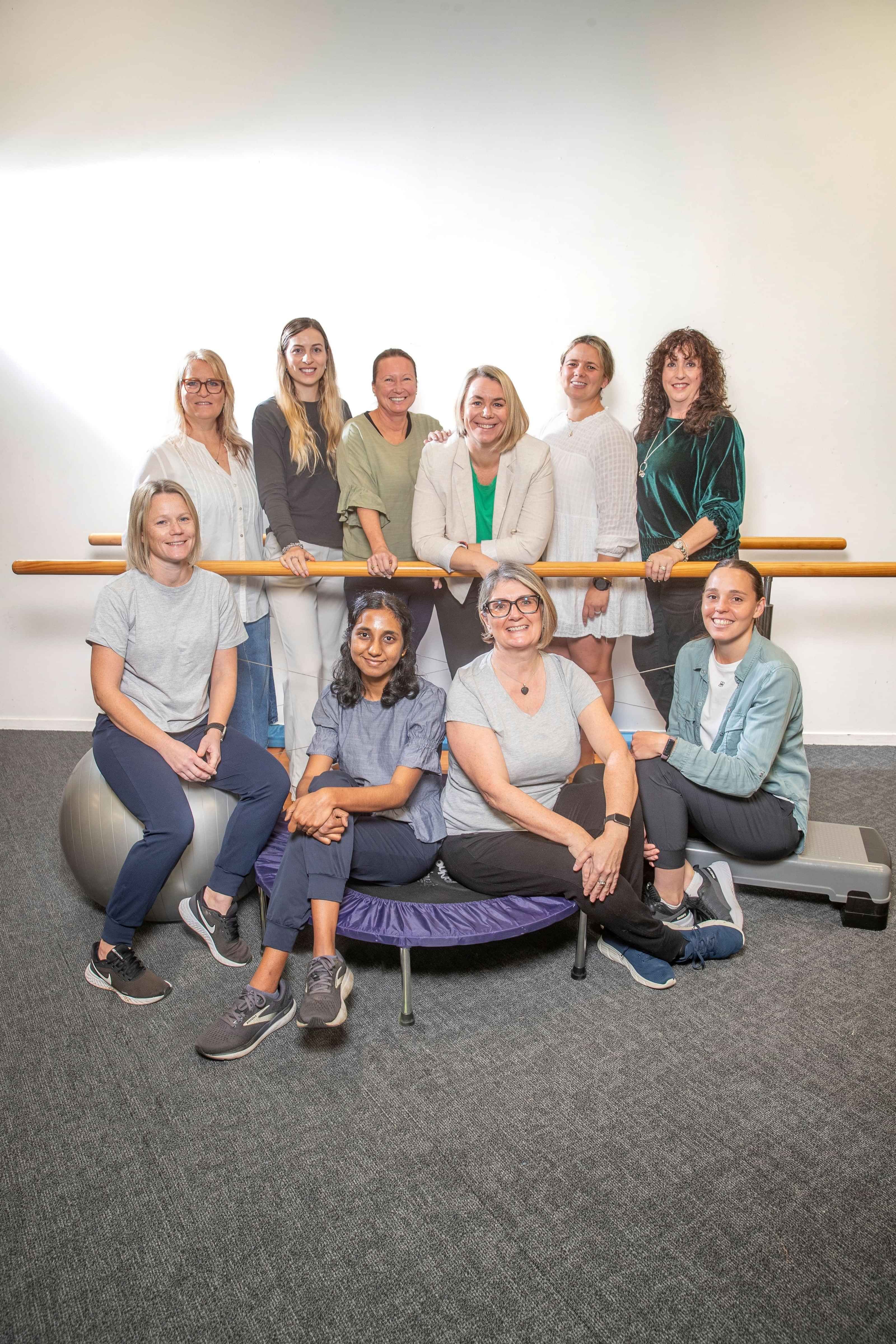
A Team That Truly Cares
Our experienced team brings together clinical expertise with genuine compassion. We take the time to understand your journey and support you with care that feels personal, not clinical.
What to Expect When You Work With Us
From first contact to ongoing support - a simple guide to your rehabilitation journey.
We want you to feel confident about every step, before it happens. Here's how a typical rehabilitation journey with us unfolds.
1. Initial Consultation
Not rushing to a plan. We'll take time to hear what's been going on, what matters most, and what you'd like to get back to.
No referral needed - You can book directly with us. If you have one, bring it along.
What to bring - Any relevant medical reports, discharge letters, scan results, or medication lists. Comfortable clothing you can move in.
How long - Initial consultations are typically 60 minutes.
What happens - We listen, ask questions, observe how you're moving, and begin to build a picture of what rehabilitation may look like for you.
2. Comprehensive Assessement
Depending on your condition and goals, we'll complete a thorough assessment of how your brain and body are working together, and where we can make the most difference.
Types of assessment - Movement and balance testing, vestibular assessment, cognitive screening, fatigue evaluation, and functional daily activity review.
Who's involved - Your assessment may involve your physiotherapist, occupational therapist, or both depending on what will best support you.
Results and next steps - We'll talk you through our findings and outline what we recommend.
3. Personalised Treatment Plan?
No two people experience neurological or vestibular conditions the same way and no two treatment plans look the same either.
Goals set together - Your programme is built around what you want to get back to - not a standard template.
Family involvement - We actively welcome family members and support people. Recovery rarely happens alone.
Frequency and duration - We'll recommend a realistic plan based on your condition, lifestyle, and goals - and we'll revisit it as things change
4. Active Therapy
This is where the work happens. Sessions are focused, practical, and built around your life.
What a session looks like - A mix of guided exercises, hands-on therapy, education, and problem-solving - depending on your goals that week.
Home programme - Between sessions, we'll give you exercises and strategies to use at home. These are designed to fit into real life - not add to the load.
Progress monitoring - We check in regularly, track how you're going, and adjust your program as needed.
5. Ongoing Review & Adjustment
Recovery isn't always linear and your programme shouldn't be either. We review and adjust as you progress.
Regular assessments - Formal progress reviews are built into your programme so we can see what's working and what to change.
Plan modifications - If something isn't working - we say so. Adaptation is part of what we do.
Transition planning - When the time is right, we'll start thinking about what ongoing independence looks like for you and plan your transition accordingly.
6. Continued Support
Recovery doesn't end when formal rehabilitation does. We want you set up for the long term.
Follow-up services - We offer maintenance appointments, reviews, and top-up support as needed.
Community integration - We can support your return to community activities, exercise programmes, or work.
Long-term wellbeing - We'll connect you with the right resources, community groups, or services to help you keep moving forward.
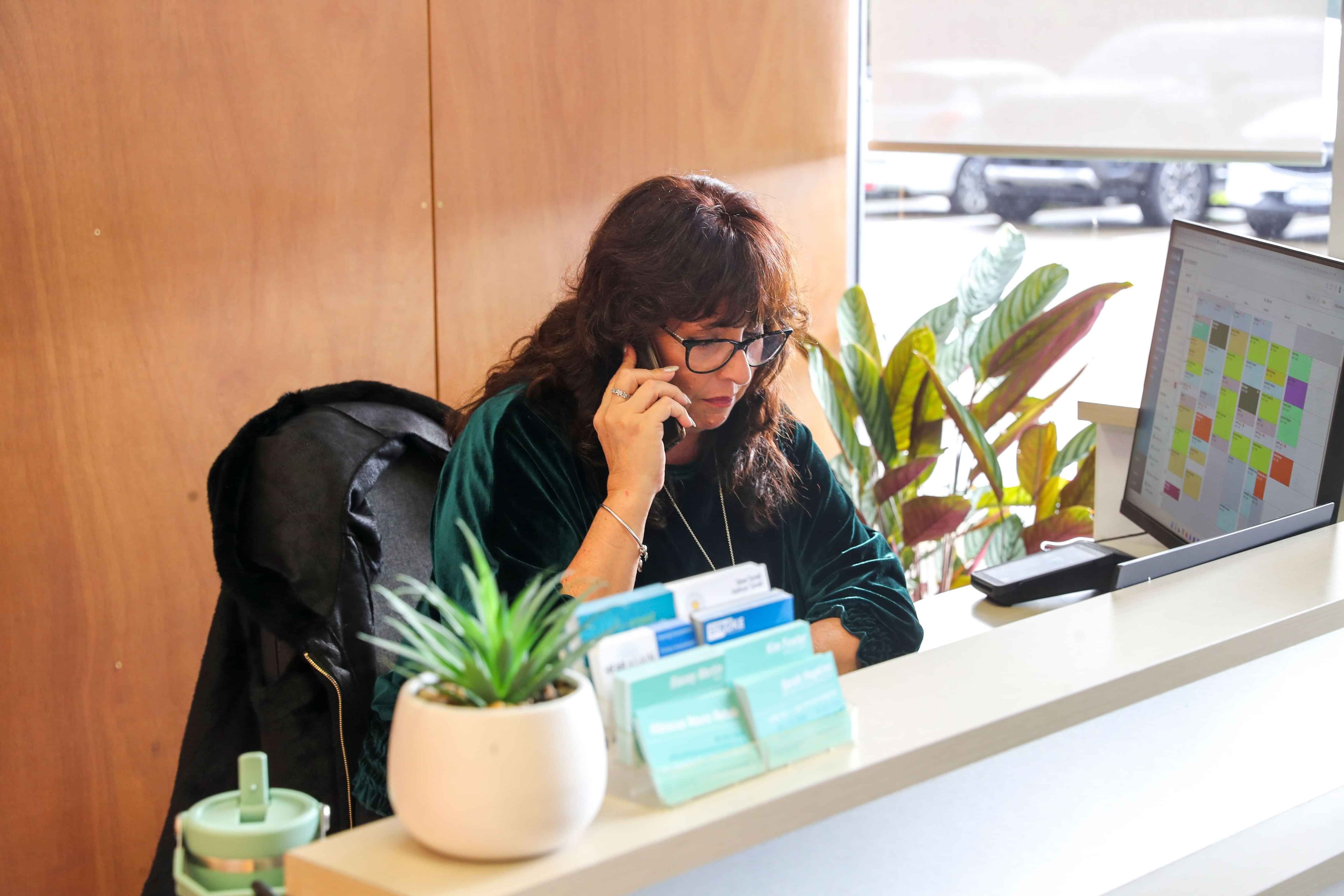
Book a FREE Discovery Call
Not sure where to start? Book in a FREE 15 minute phone call with a member of our team so we can guide you in the right direction.
How we can help during this call?
Learn more about your situation and needs
Answer your initial questions
Explain how Hibiscus Neuro Rehab may be able to help
Guide you to the most appropriate therapist or service
You might be wondering
Can you actually help with my situation?
I’ve just received a diagnosis - what do I do next?
I know I need support, but I’m not sure where to start.
If that sounds like you, this call is a great place to begin.
Do you need a Doctor's referral?
No to see us, but for accessing ACC funded concussion services a GP referral is required as we might need to clarify this.
Do you do home visits?
Yes we do home visits covering the Hibiscus Coast and surrounding areas. Please get in touch so we can help.
Taking the first step can feel overwhelming, but you don’t have to do it alone. Hibiscus Neuro Rehab Whangaparoa and surrounding areas are here to support you from day one. We’re here for your next step, no matter how small.
Ph: 09 424 3254
Proudly providing Neuro Rehab in Whangaparoa, with home visits available across the Hibiscuss Coast and surrounding areas.