Dizziness, Vertigo and Balance
When dizziness starts affecting more than your balance
Dizziness is rarely just about feeling off.
For many people, it can also bring:
Brain fog and difficulty concentrating
Anxiety or loss of confidence
Sensitivity to busy or visually overwhelming environments
Frustration trying to explain something others can’t see
Over time, it can start to affect how much you do, where you go, and how confident you feel in everyday life.
Because it is not visible, it is often misunderstood.
Many people are told it is something they have to live with - or that it is simply part of getting older.
In many cases, that is not the full picture.
What Is Vestibular Rehabilitation
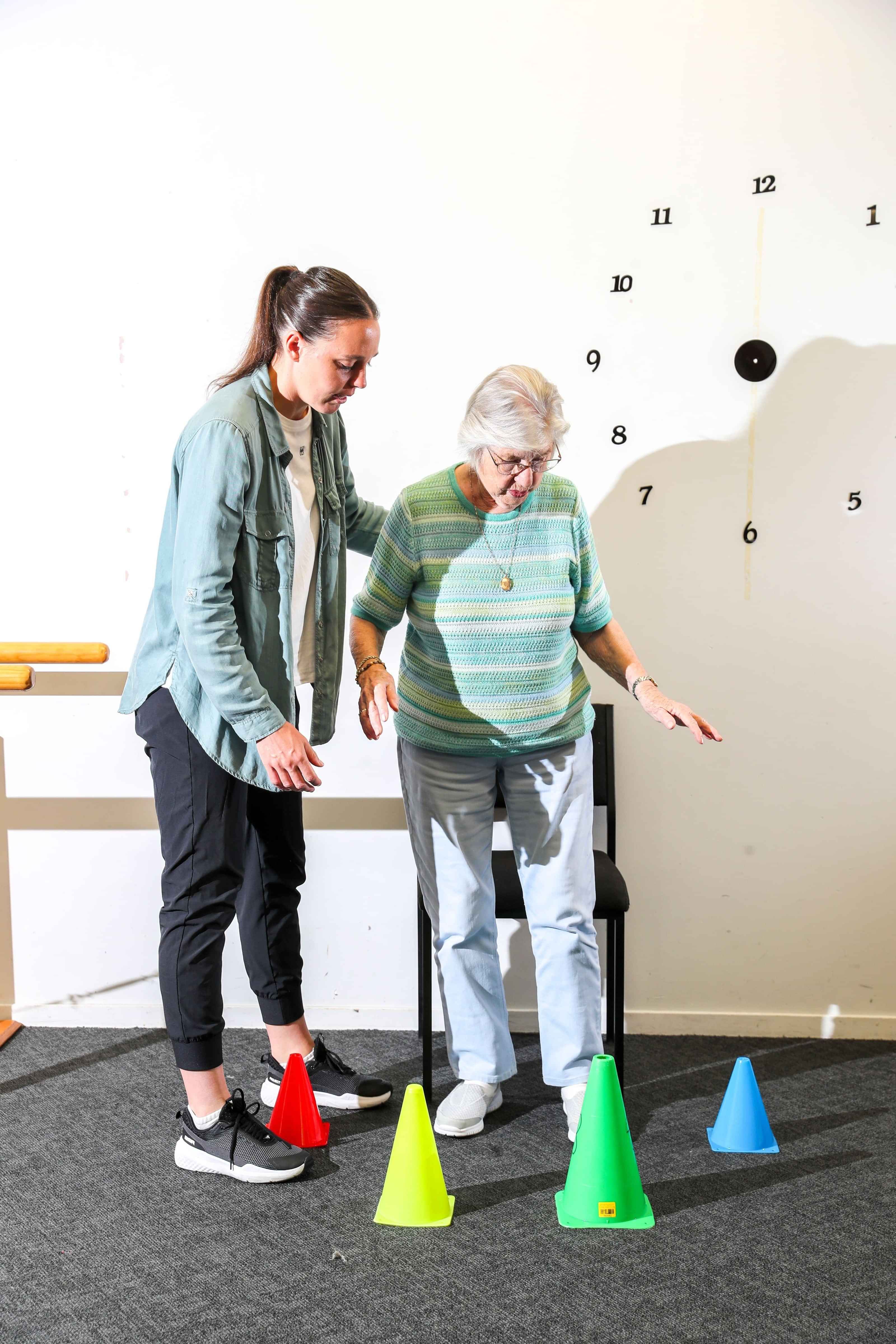
Your sense of balance depends on three systems working together:
Your inner ear (vestibular system)
Your eyes (vision)
Your joints and muscles (proprioception)
When any part of this system is disrupted - through injury, illness, or a neurological change - dizziness, vertigo, and balance difficulties can follow.
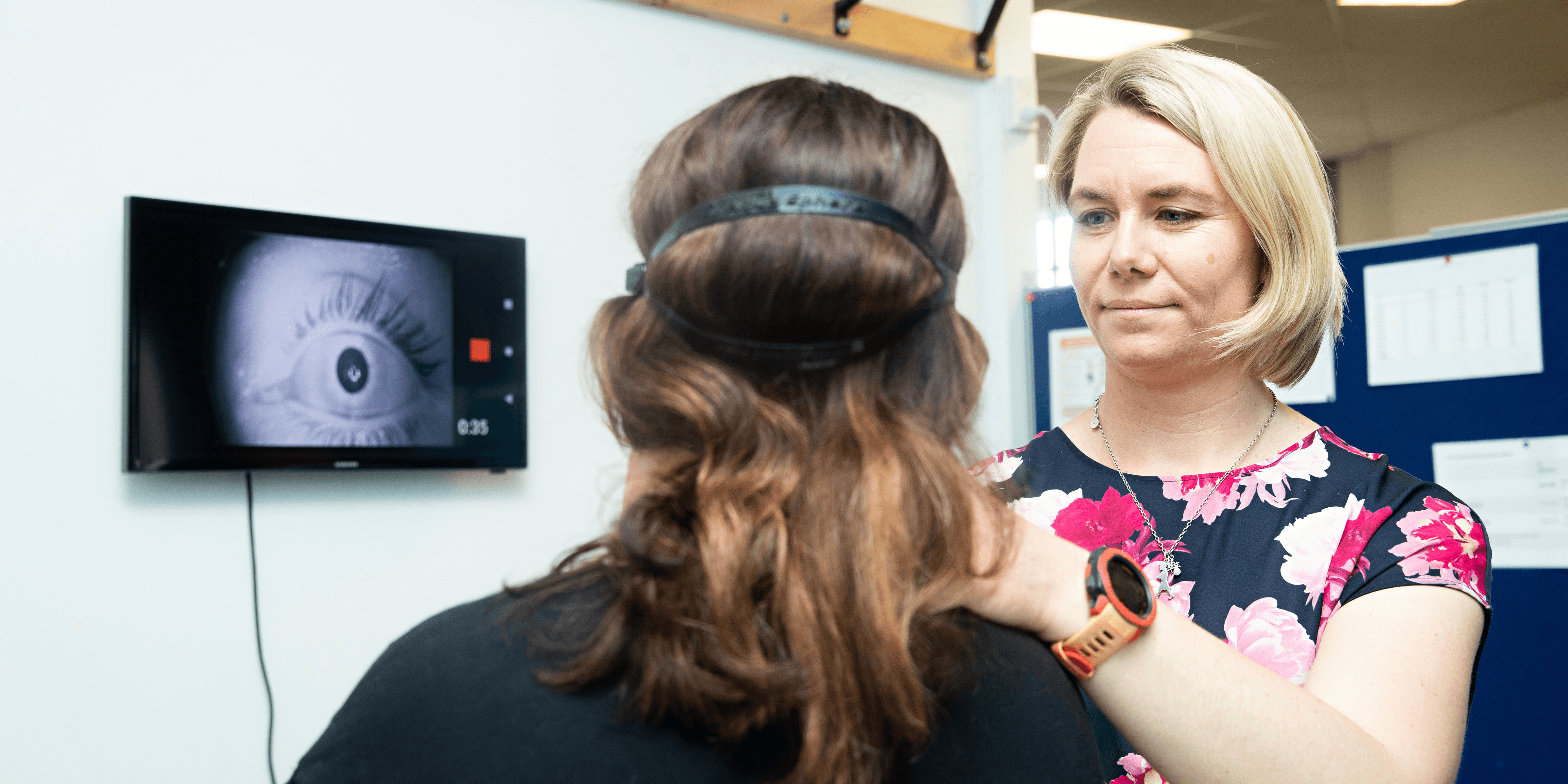
Vestibular rehabilitation is a structured, evidence-based approach to retraining these systems.
Rather than waiting for symptoms to settle on their own, rehabilitation supports your brain and body to adapt - which may help reduce dizziness, improve balance, and rebuild confidence in movement.
It is different from general physiotherapy. It requires detailed assessment and a clear understanding of how the vestibular system functions and how to assess it accurately.
That is the specific focus of what we do at Hibiscus Neuro Rehab.
What We Treat, Assess and Support
We assess and treat a wide range of vestibular and dizziness-related conditions, including:
BPPV - Benign Paroxysmal Positional Vertigo
One of the most common causes of vertigo a sudden spinning sensation triggered by head movement.
It occurs when small calcium carbonate crystals in the inner ear move out of position.
With the right assessment and repositioning techniques, many people notice significant improvement over a short period.
Vestibular Migraine
Vestibular migraine can cause vertigo, dizziness, imbalance, or motion sensitivity - sometimes without a traditional headache.
Episodes may be triggered by movement, busy environments, screens, or fatigue.
Assessment helps identify patterns and contributing factors so rehabilitation can be guided appropriately.
Ménière’s Disease
Ménière’s disease affects the inner ear and can cause episodes of vertigo, hearing changes, tinnitus, and a feeling of pressure in the ear.
Symptoms often come and go unpredictably.
Vestibular rehabilitation may help support balance and reduce the impact of ongoing symptoms between episodes.
Vestibular Neuritis and Labyrinthitis
These conditions involve inflammation of the vestibular nerve — often following a viral illness. With labrynthitis there is hearing involvement as typically both branches of the cochleovestibular nerve are involved.
They can cause intense dizziness, nausea, and unsteadiness that may take time to settle.
Rehabilitation can help support the brain in adapting to these changes and help maintain activity instead of avoiding activities that cause dizziness which could lead to further dizziness symptoms.
Persistent Postural-Perceptual Dizziness (PPPD)
PPPD is a condition where dizziness and unsteadiness persist long after an initial vestibular event — even once the original cause has resolved. Busy environments, screens, and certain movements can all trigger symptoms. Symptoms are often worse in standing and moving and persist for most hours of the day. It is more common than many people realise, and rehabilitation focused on gradual, supported exposure can make a meaningful difference.
Concussion-Related Dizziness
Dizziness and balance difficulties are among the most common and persistent symptoms following concussion.
Our vestibular assessment helps identify what may be contributing to your symptoms — whether vestibular, visual, cervical, or a combination - and guides a rehabilitation approach based on what we find.
This can be part of an ACC concussion service, or if symptoms have persisted for some time, we can assess and support these as well.
Age-Related Balance Decline
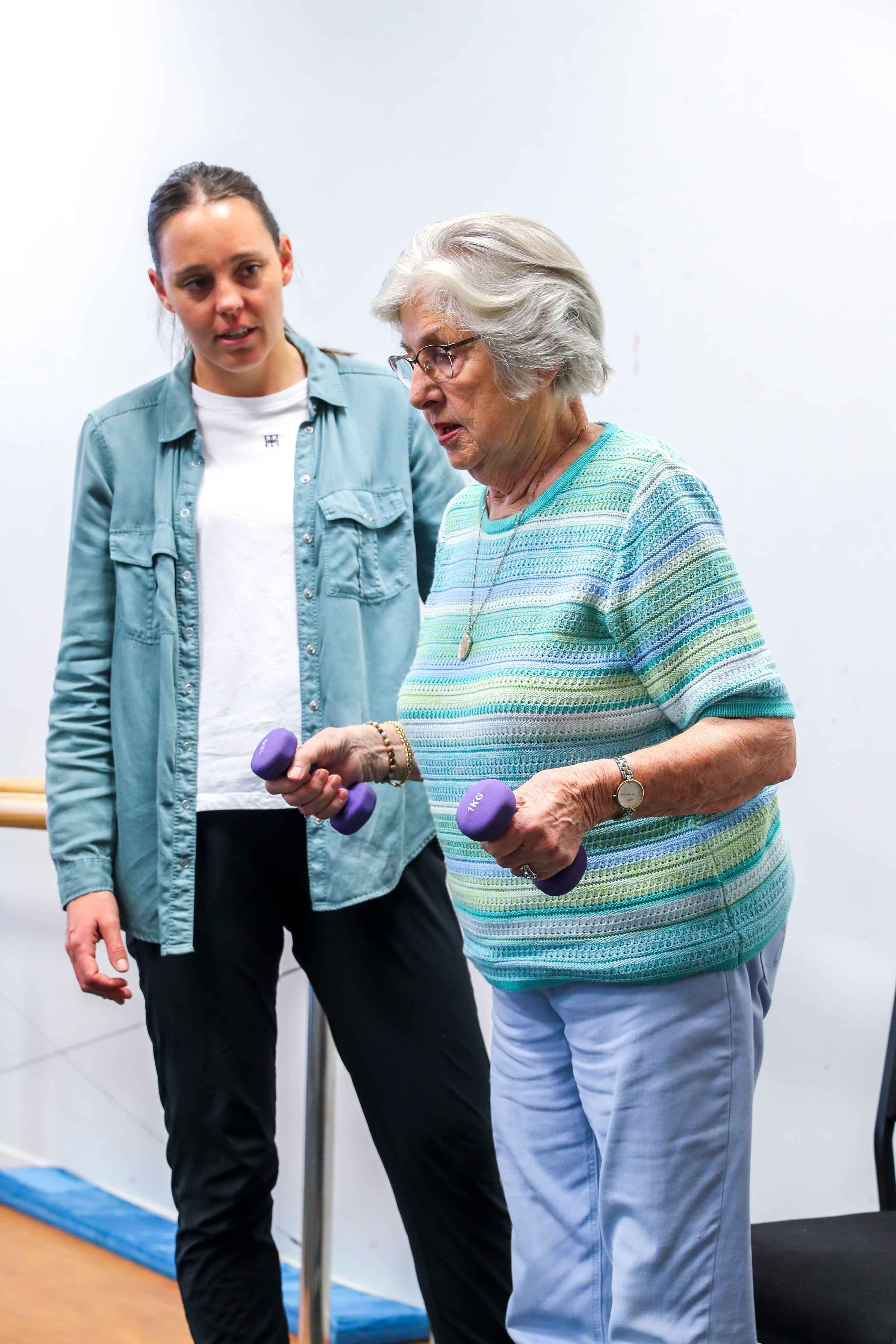
Balance can change as we age — but ongoing unsteadiness and falls are not something you simply have to accept.
We assess what is contributing to your balance difficulties and guide a programme aimed at improving stability and confidence.
Central Vestibular Conditions
Some dizziness and balance problems are related to how the brain processes vestibular information, rather than the inner ear itself.
These conditions are often more complex and may require a more gradual and carefully guided rehabilitation approach.
They may occur alongside neurological conditions such as stroke, parkinson’s disease multiple sclerosis (MS), or cerebellar ataxia.
Age-Related Balance Changes
Balance can change as we age - but ongoing unsteadiness and falls are not something you simply have to accept.
We assess what is contributing to your balance difficulties and guide a programme aimed at improving stability and confidence.
Some Other less common vestibular disorders that can be treated
CANVAS
Superior Semicircular Canal Dehiscence (SSCD)
Acoustic neuroma
Perilymph fistula
Bilateral vestibular hypofunction
Mal de Débarquement
Ramsay Hunt syndrome
How We Treat Vestibular Conditions
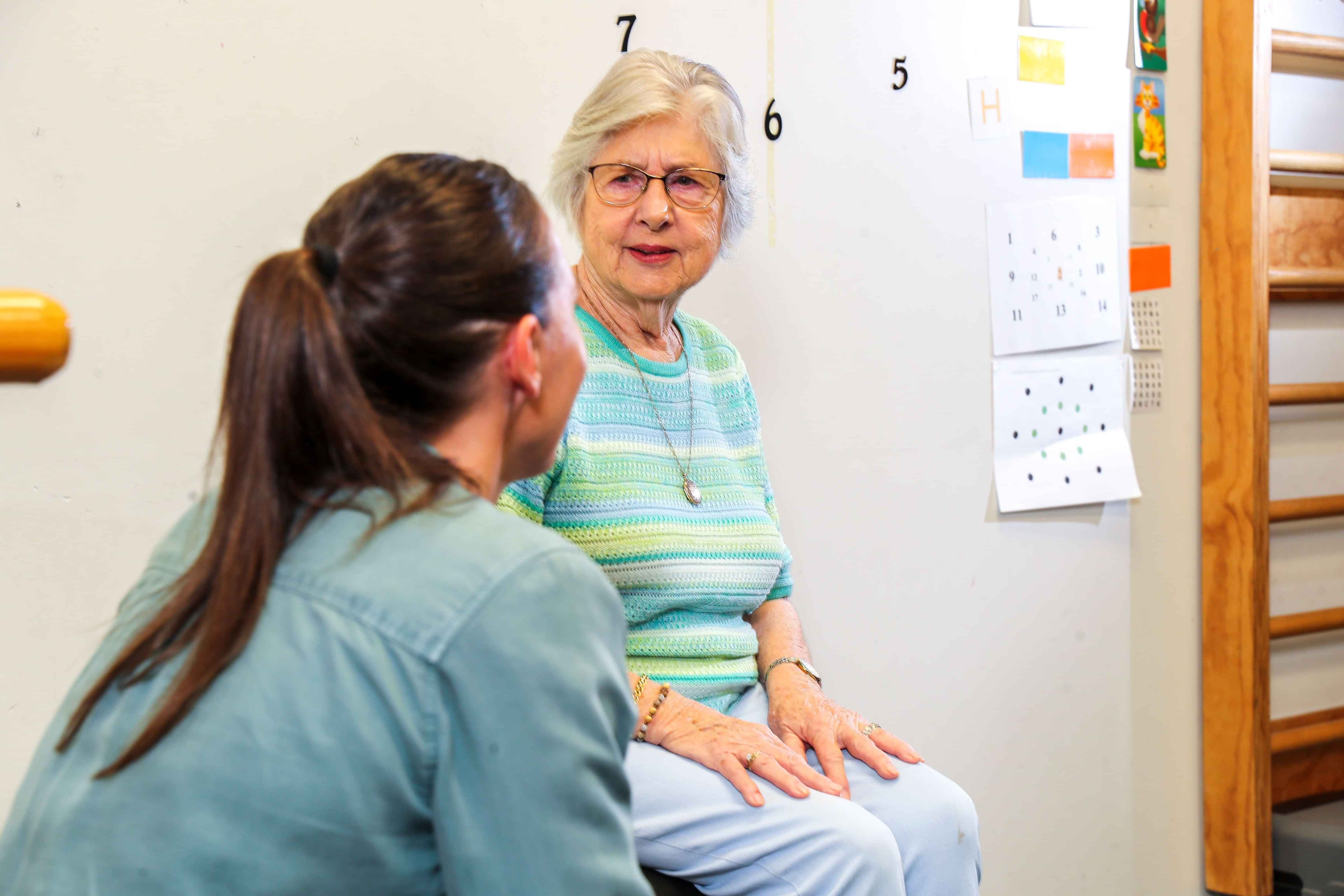
Every person we see receives an individual assessment before any treatment begins. We take the time to understand your symptoms, their history, and how they are affecting your day-to-day life, before recommending a rehabilitation approach.
Just as importantly, we explain what may be happening and why you are experiencing these symptoms.
Understanding dizziness and how the vestibular system works is often a key part of reducing uncertainty, anxiety, and the feeling of not knowing what is going on.
Depending on what we find, your programme may include:
Repositioning Techniques (for BPPV)
Specific hands-on movements help guide displaced crystals back to where they belong in the inner ear.
These techniques are well-established and often provide noticeable changes early in rehabilitation.
Vestibular Rehabilitation Exercises
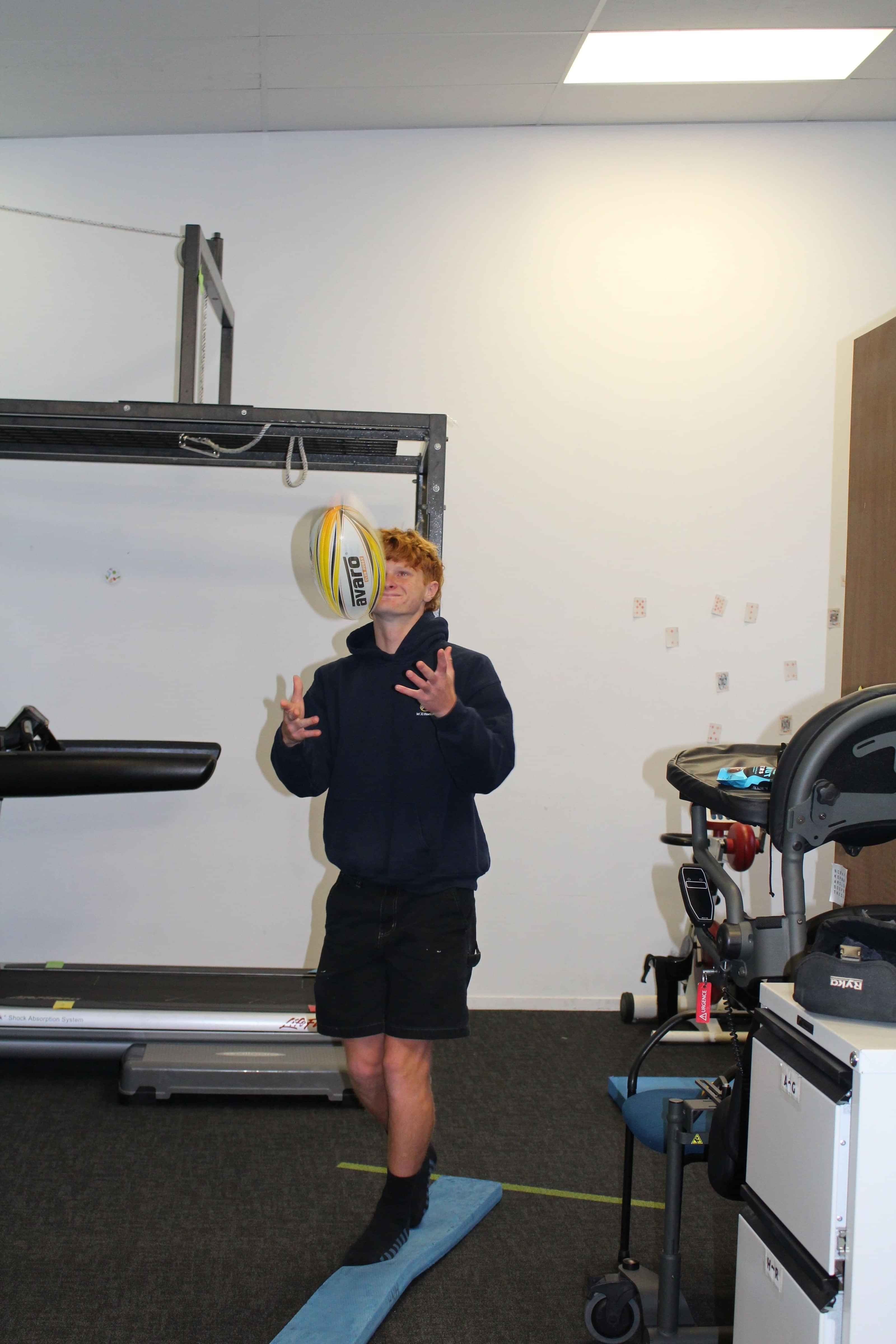
Gaze stabilisation exercises help retrain how your eyes and vestibular system work together
Habituation exercises gradually expose you to movement or environments that trigger symptoms
Sensory integration exercises - improving all senses to work effectively together
These are carefully graded to your tolerance and progressed at your pace.
We also guide you through how to approach symptoms when they occur - so that exercises feel manageable and you understand what is expected during rehabilitation.
Balance Retraining
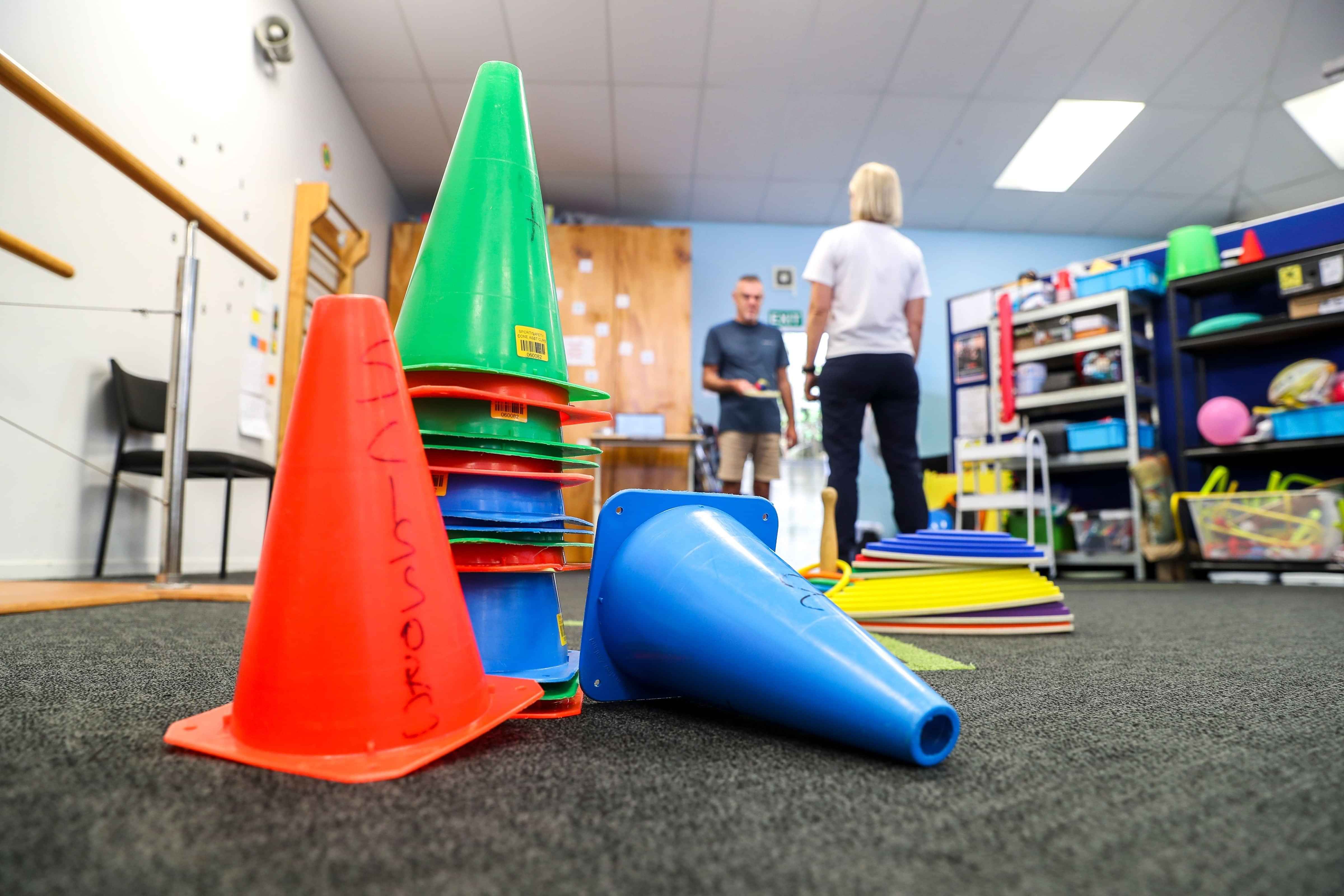
Targeted balance exercises challenge and retrain the systems that help you feel steady - improving stability, reducing falls risk, and rebuilding confidence in everyday movement. Balance retraining is often combined with vestibular exercises for a more complete programme.
Rehabilitation is not just about the exercises you do, but also about understanding your symptoms and building confidence to move again.
Your Questions Answered
Do I need a referral to book an appointment?
No. You're welcome to contact us directly to book an initial consultation — no GP or ACC referral needed.
Do you provide home visits?
Yes. Home visits are available across the Hibiscus Coast and surrounding areas. We also see people who travel from Warkworth, Wellsford, Mangawhai, and wider Northland to access dedicated vestibular rehabilitation.
How is vestibular rehabilitation different from general physiotherapy?
Vestibular rehabilitation requires advanced assessment skills and a detailed understanding of how the inner ear, vision, and nervous system interact. It is a distinct area of practice and one that we focus on specifically at Hibiscus Neuro Rehab.
How long does vestibular rehabilitation take?
It depends on your condition and your symptoms. Some people, particularly those with BPPV -can see significant improvement in just a session or two. Others with more complex or longstanding conditions may benefit from a longer programme. We will give you an honest picture of what to expect after your initial assessment.
What happens at the first appointment?
Your first session is a detailed assessment — we look at your symptoms, their history, and how your vestibular system, balance, and vision are functioning. we look at the system from both the central (brain) and peripheral (inner ear) systems to truly understand what is driving symptoms. From there, we talk through what rehabilitation may look like for you and answer any questions you have.
Will the exercises make my dizziness worse before it gets better?
Some vestibular exercises do temporarily provoke symptoms - this is a normal part of how the brain adapts and is not a sign that things are getting worse. We explain this carefully before we begin, progress your programme at a pace that is manageable for you, and are always available to adjust if needed.
Programs and Services We Offer
Physiotherapy for people living with neurological conditions - focused on movement, balance, strength, and getting back to the life you want.
Supporting adults with neurological conditions to regain independence in daily life - from getting dressed to getting back to work, and everything in between.
Skilled therapy assistant support to help you practise, build consistency, and get more from your rehabilitation - working under the guidance of your HNR clinician.
Assessment and rehabilitation for dizziness, vertigo, and balance disorders - helping you feel confident in everyday life.
Physiotherapy and occupational therapy support for older adults - maintaining independence, improving mobility, and staying safe and active in later life.
Clinician-led exercise classes for people with neurological conditions - structured, social, and designed to keep you moving between individual sessions.
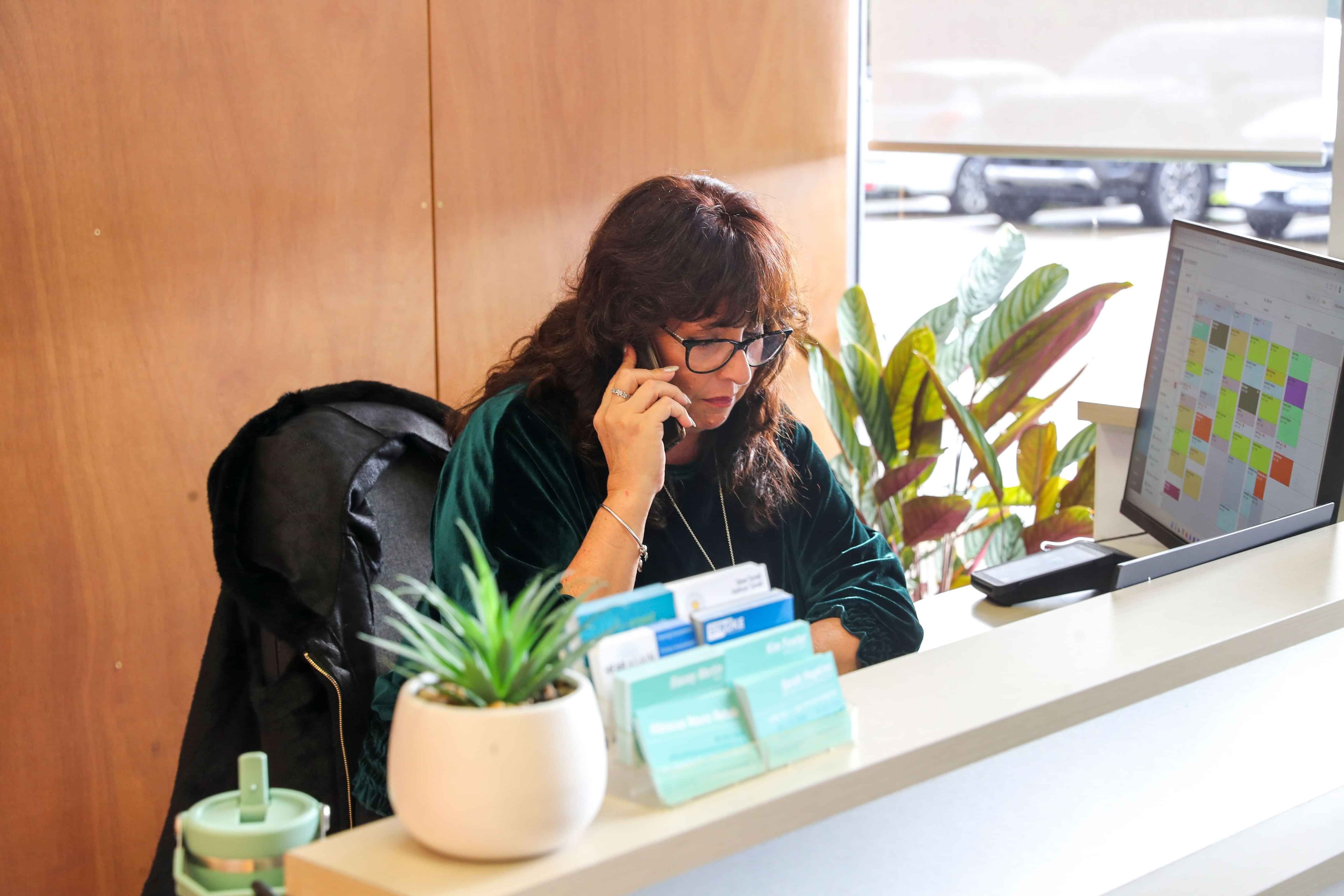
Book a FREE Discovery Call
Not sure where to start? Book in a FREE 15 minute phone call with a member of our team so we can guide you in the right direction.
How we can help during this call?
Learn more about your situation and needs
Answer your initial questions
Explain how Hibiscus Neuro Rehab may be able to help
Guide you to the most appropriate therapist or service
You might be wondering
Can you actually help with my situation?
I’ve just received a diagnosis - what do I do next?
I know I need support, but I’m not sure where to start.
If that sounds like you, this call is a great place to begin.
Do you need a Doctor's referral?
No to see us, but for accessing ACC funded concussion services a GP referral is required as we might need to clarify this.
Do you do home visits?
Yes we do home visits covering the Hibiscus Coast and surrounding areas. Please get in touch so we can help.
Taking the first step can feel overwhelming, but you don’t have to do it alone. Hibiscus Neuro Rehab Whangaparoa and surrounding areas are here to support you from day one. We’re here for your next step, no matter how small.
Ph: 09 424 3254
Proudly providing Neuro Rehab in Whangaparoa, with home visits available across the Hibiscuss Coast and surrounding areas.