Balance and Falls Rehabilitation
You might not call it a balance problem yet, but you've started holding onto walls, slowing down, or avoiding certain situations.
Falls, or the fear of falling, can quietly shrink your world.
Many people who come to us for balance rehabilitation describe the same pattern: they had a fall, or a near-miss. Or things just don’t feel as steady as they used to. Movements become more cautious. Certain environments get avoided.
Confidence drops - often without anyone else knowing how much things have changed and now they find themselves moving more cautiously, avoiding certain situations, relying on walls and furniture more than they'd like. Some haven't told anyone how worried they are - because it feels like something that just comes with getting older, or with their condition. Remove.
It’s easy to assume this is part of getting older, or something you have to live with because of your condition.
It isn't inevitable.
Balance can be retrained. Confidence can be rebuilt. And falls risk can be meaningfully reduced.
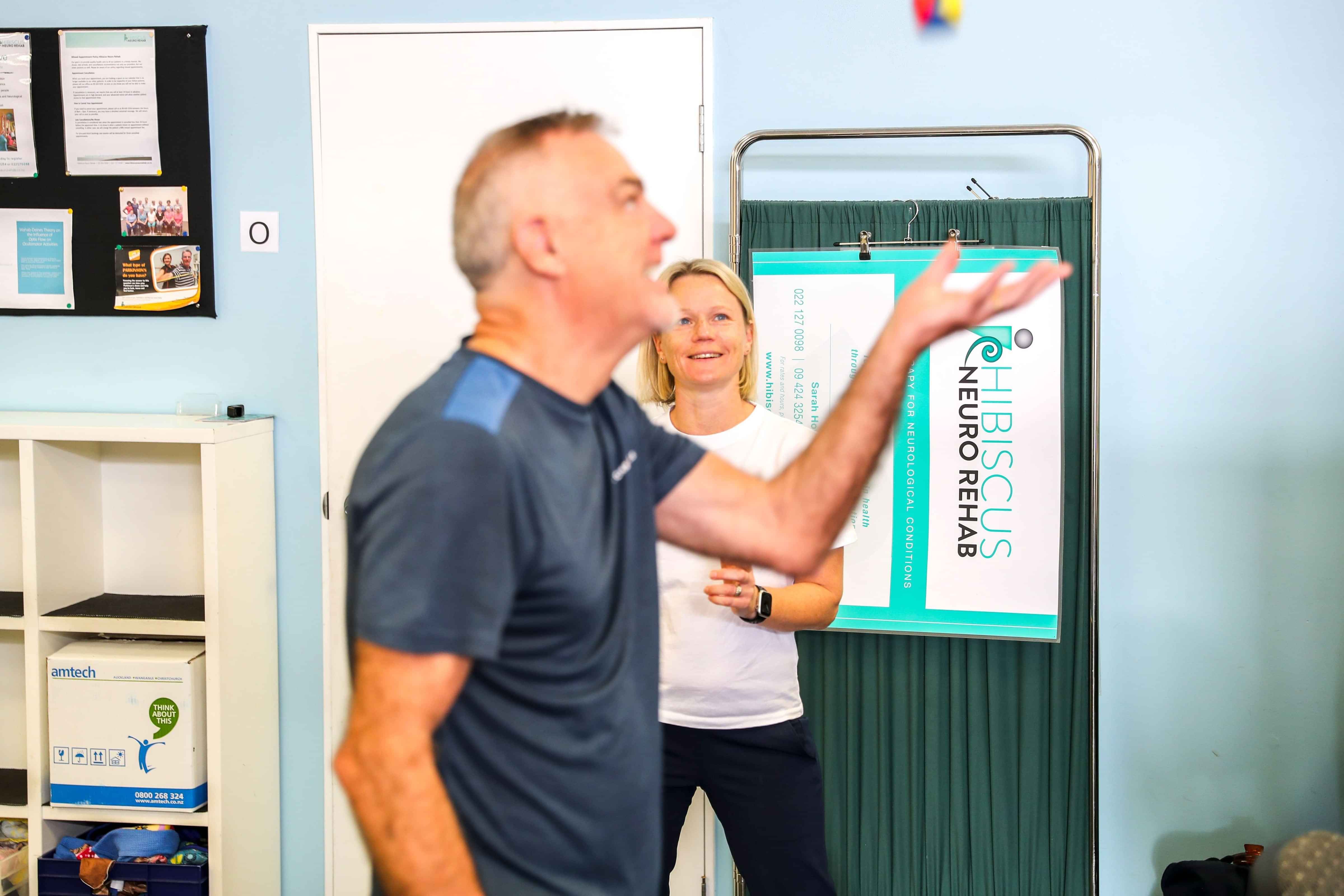
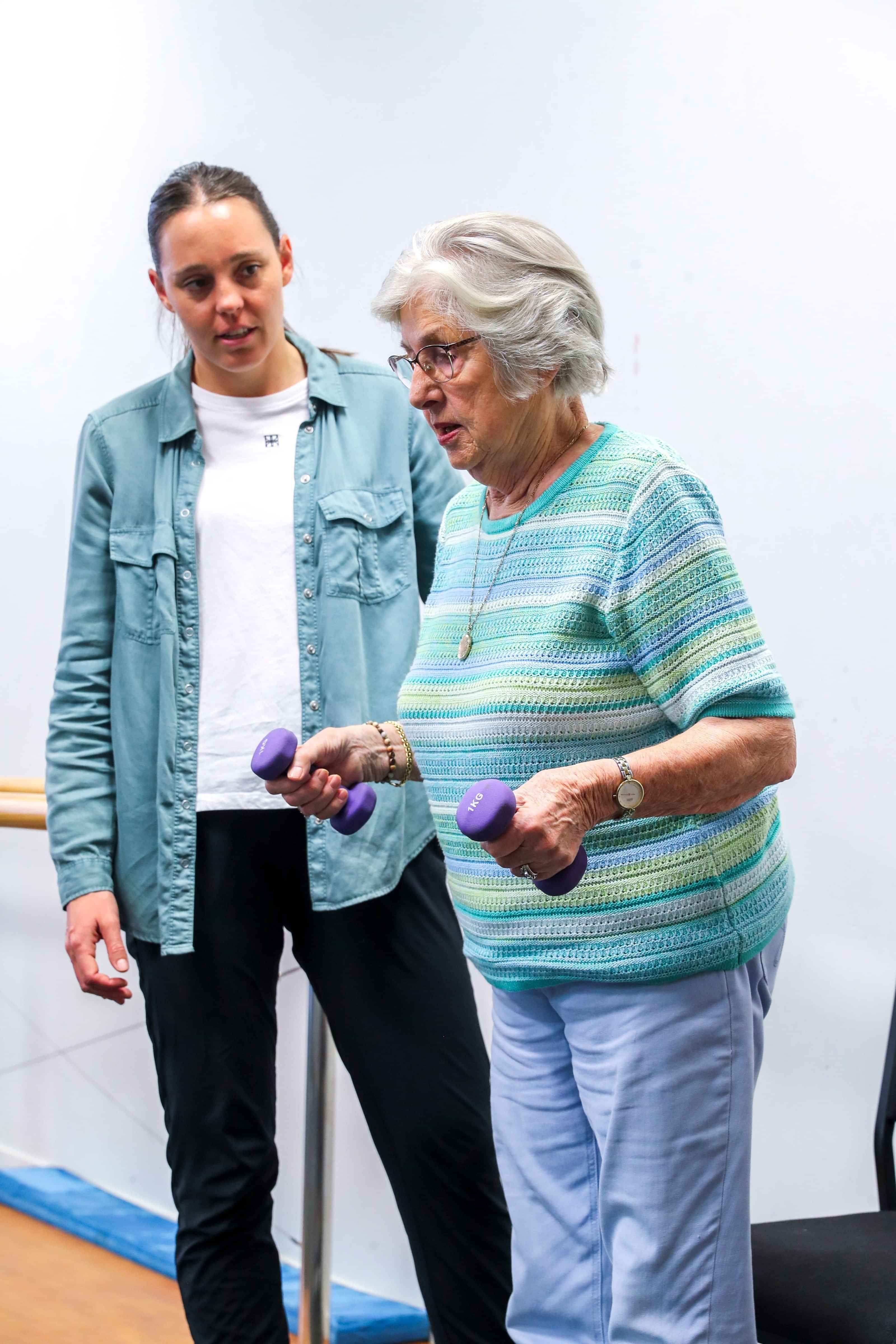
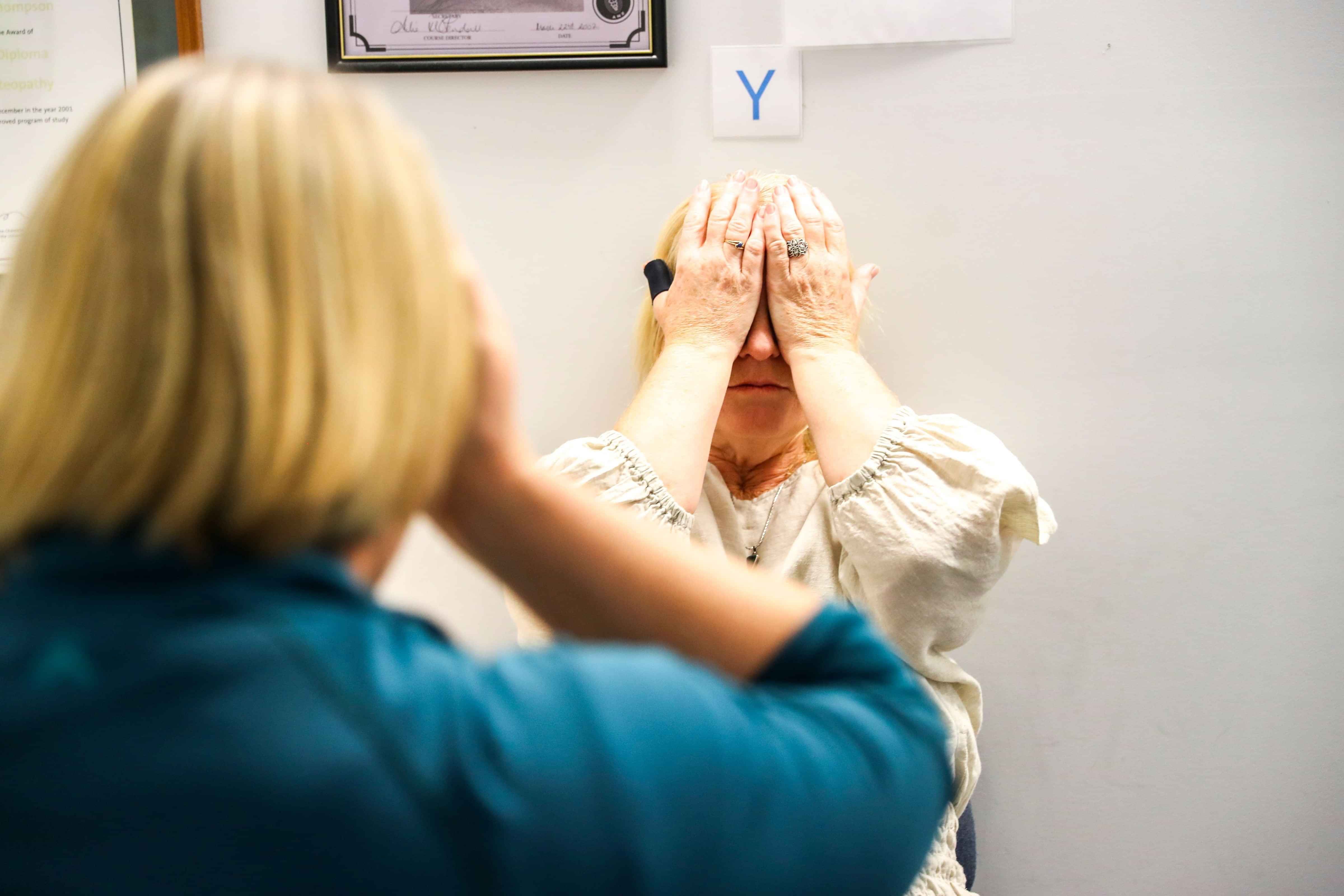
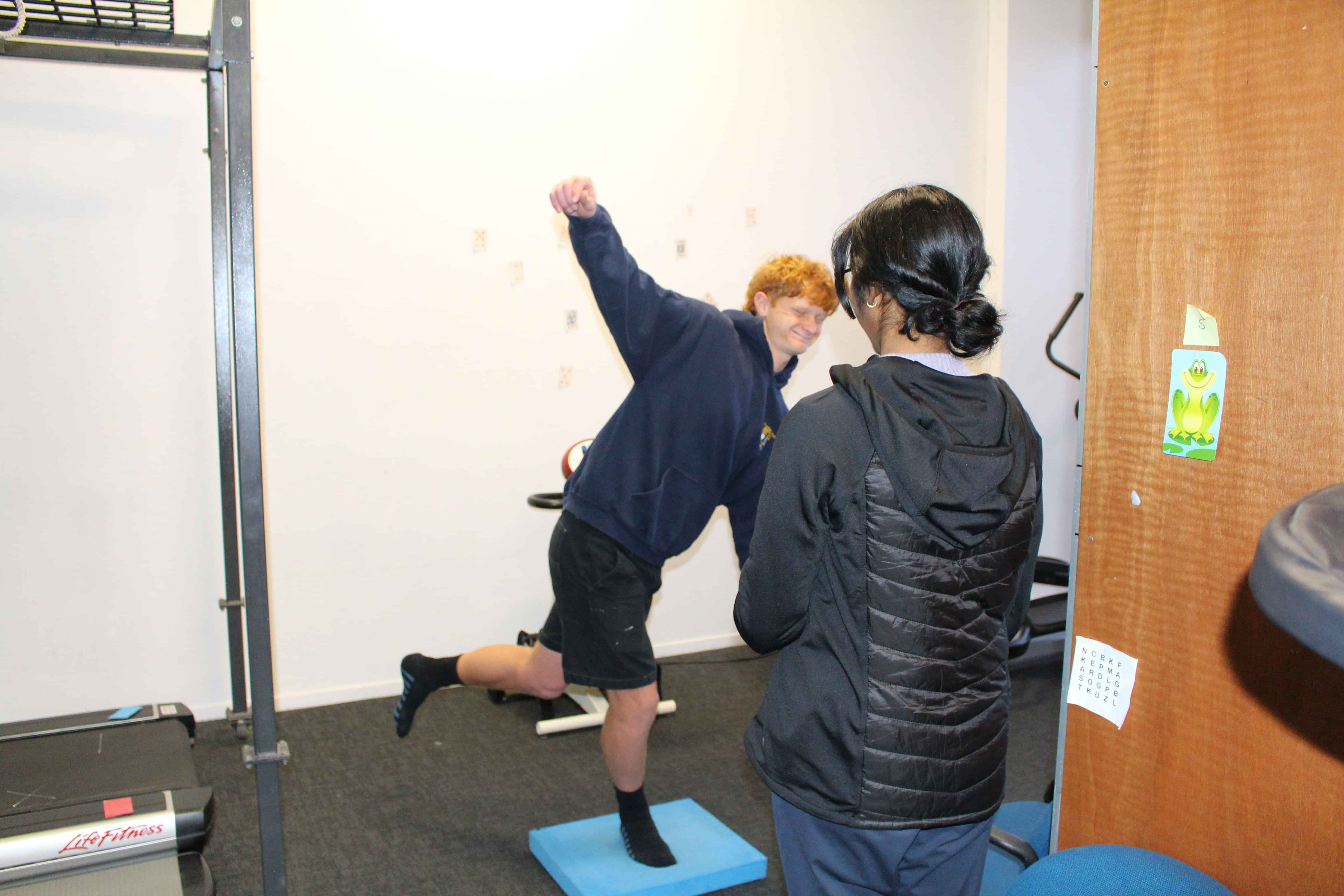
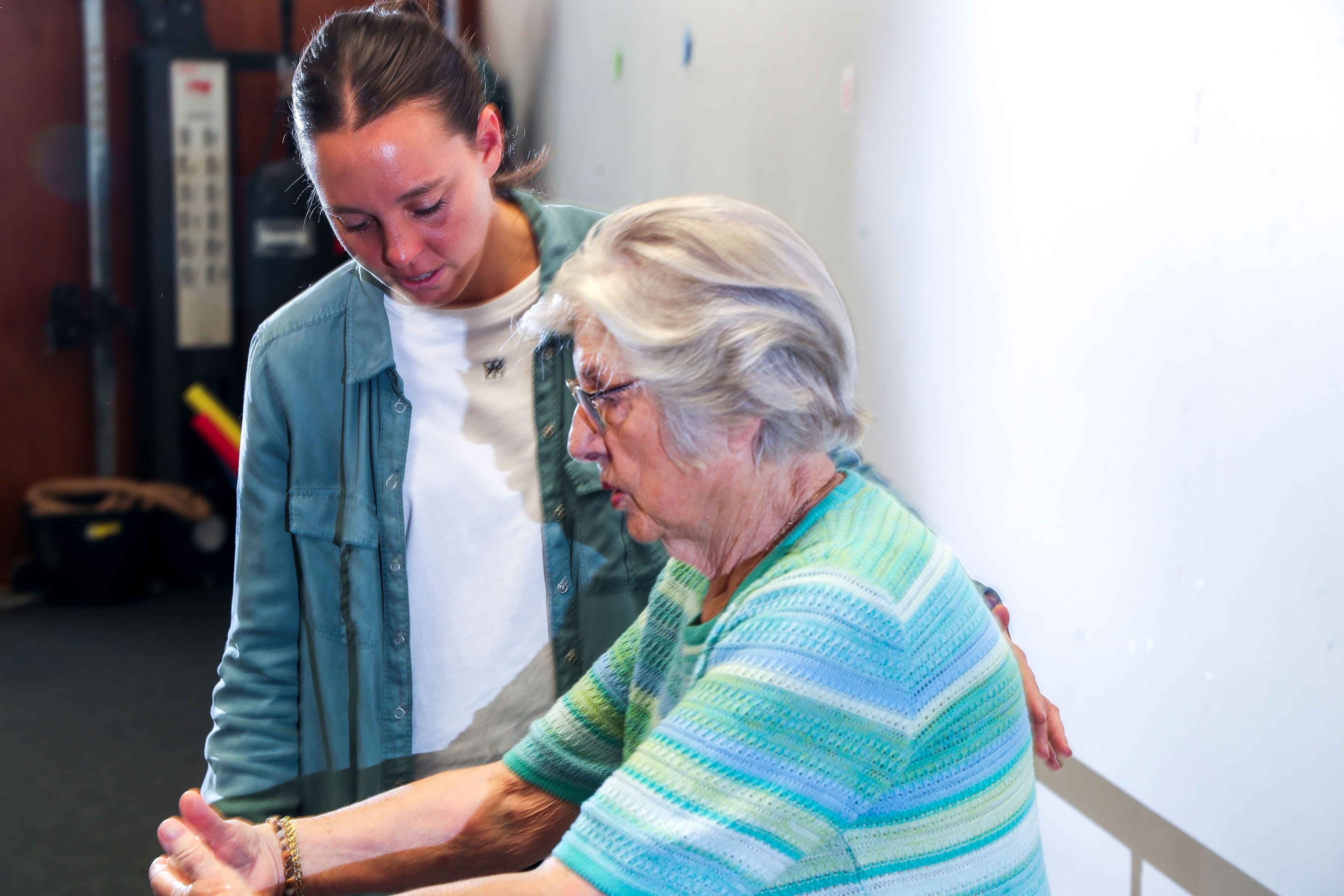
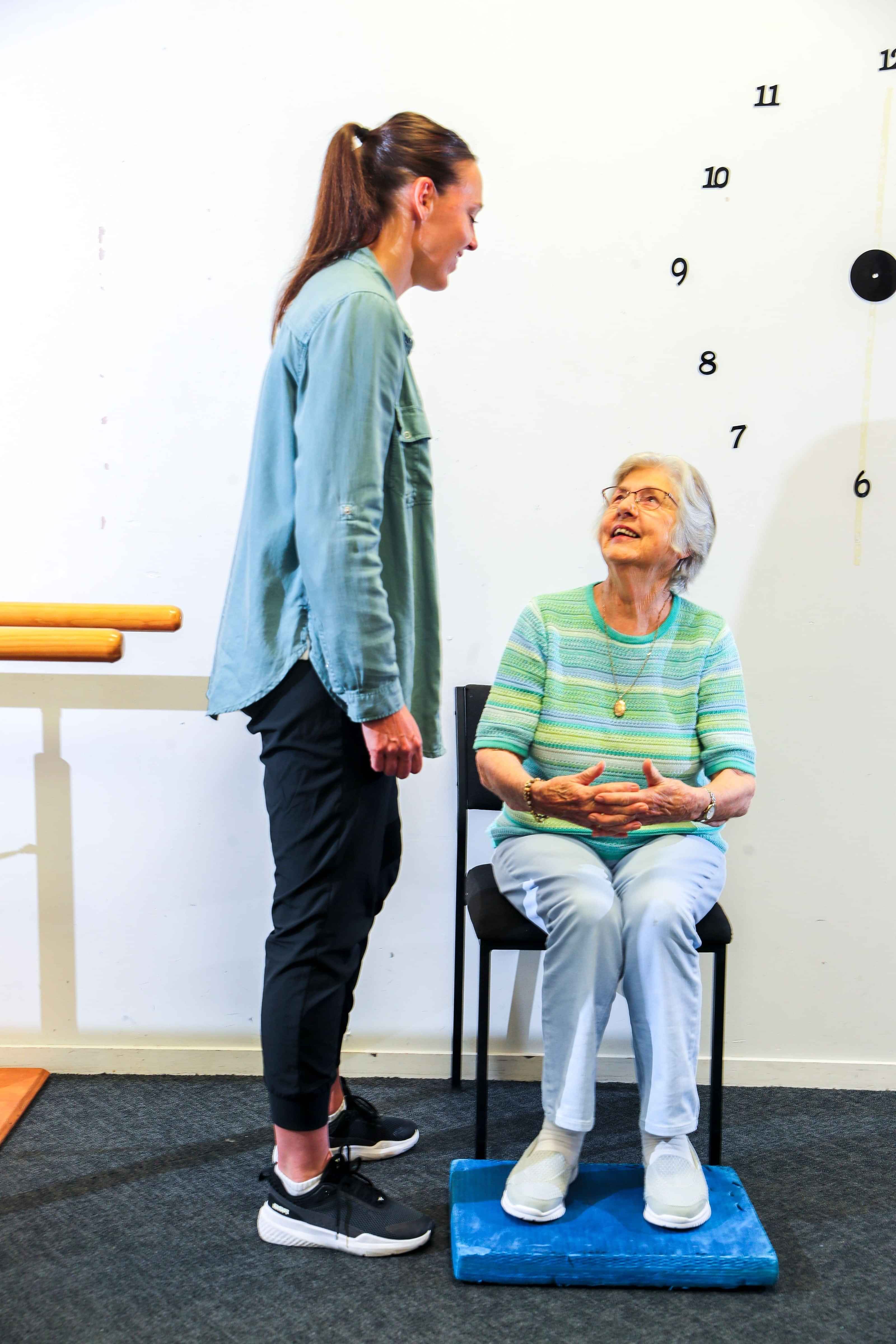
What Balance and Falls Rehabilitation looks like at Hibiscus Neuro Rehab.
Poor balance rarely has a single cause. We assess how your brain, inner ear, eyes, muscles, and joints are all working together and where the gaps are. From there, we build a programme that addresses your specific pattern.
Your programme may include:
Balance Training
Standing, stepping moving, and responding to the unexpected recovering when something unexpected happens (like being bumped or turning quickly).
Strength and Stability Work
For the legs, core, and postural muscles that keep you upright focused on the legs, core, and postural muscles that keep you upright.
Vestibular Assessment and Rehabilitation
Where the inner ear is contributing to dizziness or unsteadiness.
Dual-Task Practice
Doing two things at once, because that's what real life asks of us. Walking while talking, turning your head, or carrying something, becasue that's what life demands.
Home Safety Assessment and Practical Recommendations
Reduce hazards and identifying practical changes that can reduce hazards in your environment
Getting Up from the Floor
Strategies for getting up safely and building the ability and confidence to manage safely if a fall does happen.
Graded Return to Activities
Including walking outdoors, stairs, uneven ground, busier environments
We also take the fear of falling seriously - because anxiety about falling changes how you move, and that itself increases risk. Rebuilding confidence is part of the programme. It changes how you move in ways that can increase risk or falls and injury. Rebuilding confidence is a core part of the process, not a side note.
You might notice:
Holding onto walls or furniture more than you used to
Moving more cautiously, or taking longer to do everyday tasks
Avoiding uneven ground, stairs, or busy environments
Feeling less steady when turning, bending, or multitasking
A general sense that your balance isn’t as reliable as it used to be
If any of this sounds familiar, it’s worth getting it checked.
Frequently Asked Questions
I haven't actually fallen - I just feel unsteady. Is that enough reason to come?
Absolutely, and honestly, this is actually the ideal time to come.
Unsteadiness that hasn't yet led to a fall is much often easier to address. than unsteadiness after one.
If you're noticing that you're moving more cautiously, holding onto things more than you used to, or avoiding certain situations because of how your balance feels, that's your body telling you something worth listening paying attention to.
Don't wait for a fall to take it seriously.
My balance problems are related to my neurological condition. Can you still help?
Yes, this is a core part of what we do at HNR we work with both falls for neurological and non-neurological related causes.
Balance problems that come alongside neurological conditions like Stroke, Parkinson's, MS, or Brain injury are something we work with every day. We take into account how the underlying condition is affecting your balance and build a programme around your specific presentation.
It's not a one-size-fits-all approach
How long does balance rehabilitation take?
It depends on what's driving the problem, how long it's been present, and your goals. Some people notice meaningful improvement changes within a few weeks; for others it's a longer process.
We'll give you a realistic picture after your first assessment, and we'll check in regularly on how things are progressing review the process along the way.
The goal is always functional improvement, not just clinic-based gains that don't translate to real life.
I'm worried about falling at home. Can you assess my house?
Yes. Home safety is an important part of reducing falls risk. We can discuss and look at your actual environment and identify practical changes that may help, not just a generic checklist.
Where equipment or modifications might be useful, we can guide you through appropriate options.
Can fear of falling be treated? I've become very anxious about it.
Yes, and it's important that it is, because fear of falling changes how you move in ways that actually increase your risk.
Moving cautiously, tensing up, avoiding activity - all of these reduce the strength and balance that keep you safe. Rebuilding confidence is a genuine part of rehabilitation, not a side note.
We take the psychological side of balance seriously and work on it directly alongside the physical.
Programs and Services We Offer
Physiotherapy for people living with neurological conditions - focused on movement, balance, strength, and getting back to the life you want.
Supporting adults with neurological conditions to regain independence in daily life - from getting dressed to getting back to work, and everything in between.
Skilled therapy assistant support to help you practise, build consistency, and get more from your rehabilitation - working under the guidance of your HNR clinician.
Assessment and rehabilitation for dizziness, vertigo, and balance disorders - helping you feel confident in everyday life.
Physiotherapy and occupational therapy support for older adults - maintaining independence, improving mobility, and staying safe and active in later life.
Clinician-led exercise classes for people with neurological conditions - structured, social, and designed to keep you moving between individual sessions.
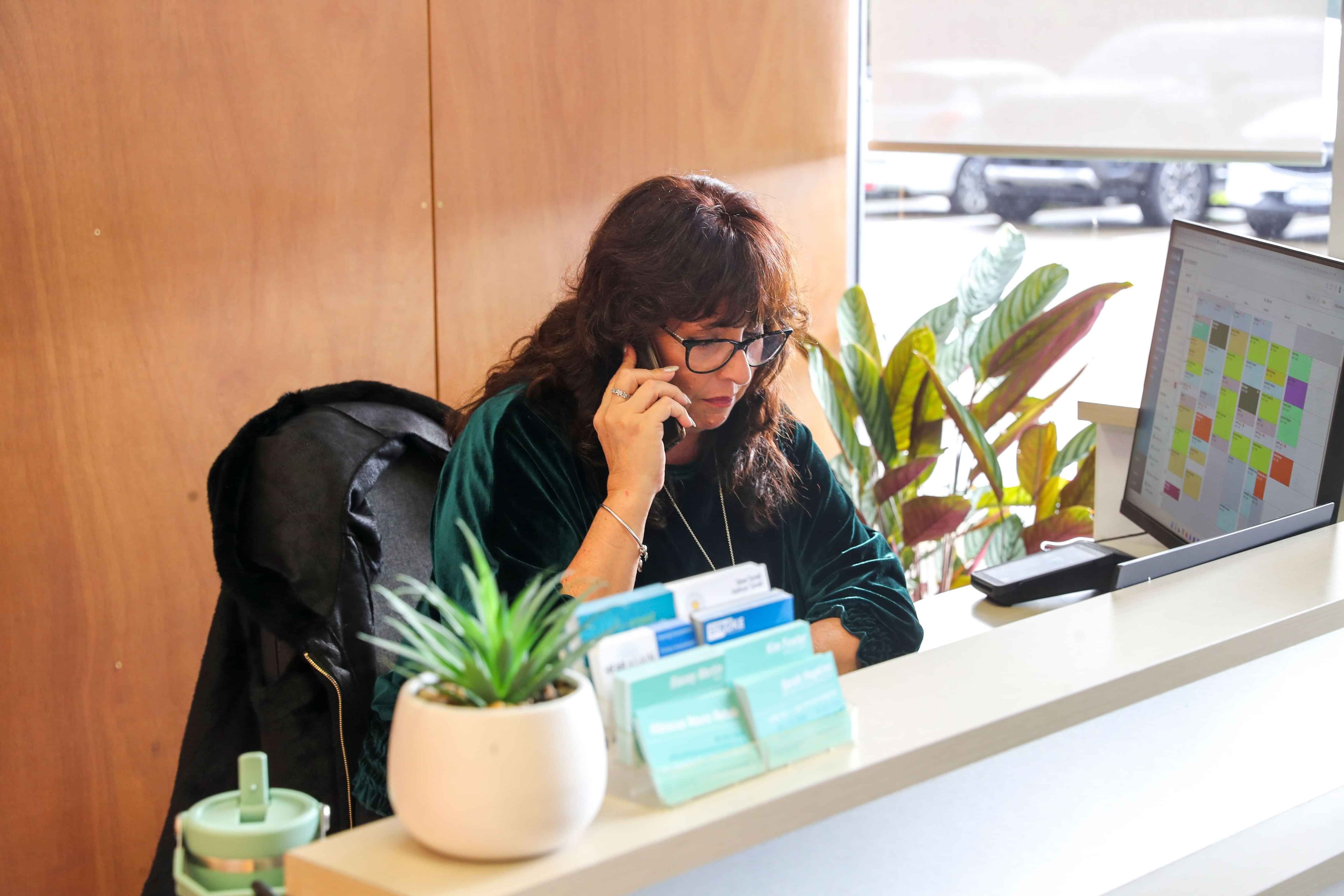
Book a FREE Discovery Call
Not sure where to start? Book in a FREE 15 minute phone call with a member of our team so we can guide you in the right direction.
How we can help during this call?
Learn more about your situation and needs
Answer your initial questions
Explain how Hibiscus Neuro Rehab may be able to help
Guide you to the most appropriate therapist or service
You might be wondering
Can you actually help with my situation?
I’ve just received a diagnosis - what do I do next?
I know I need support, but I’m not sure where to start.
If that sounds like you, this call is a great place to begin.
Do you need a Doctor's referral?
No to see us, but for accessing ACC funded concussion services a GP referral is required as we might need to clarify this.
Do you do home visits?
Yes we do home visits covering the Hibiscus Coast and surrounding areas. Please get in touch so we can help.
Taking the first step can feel overwhelming, but you don’t have to do it alone. Hibiscus Neuro Rehab Whangaparoa and surrounding areas are here to support you from day one. We’re here for your next step, no matter how small.
Ph: 09 424 3254
Proudly providing Neuro Rehab in Whangaparoa, with home visits available across the Hibiscuss Coast and surrounding areas.