
Multiple Sclerosis
MS affects everyone differently. Rehabilitation should too.
Multiple sclerosis is unpredictable in a way that many other conditions are not. Some days you move well; others, fatigue or a relapse changes everything. Symptoms that come and go - or that shift gradually over time - that can make it hard to know what to focus on, or whether rehabilitation is even worth it during the harder stretches. It is. And Hibiscus Neuro Rehab know how to adapt to where you are on any given day.
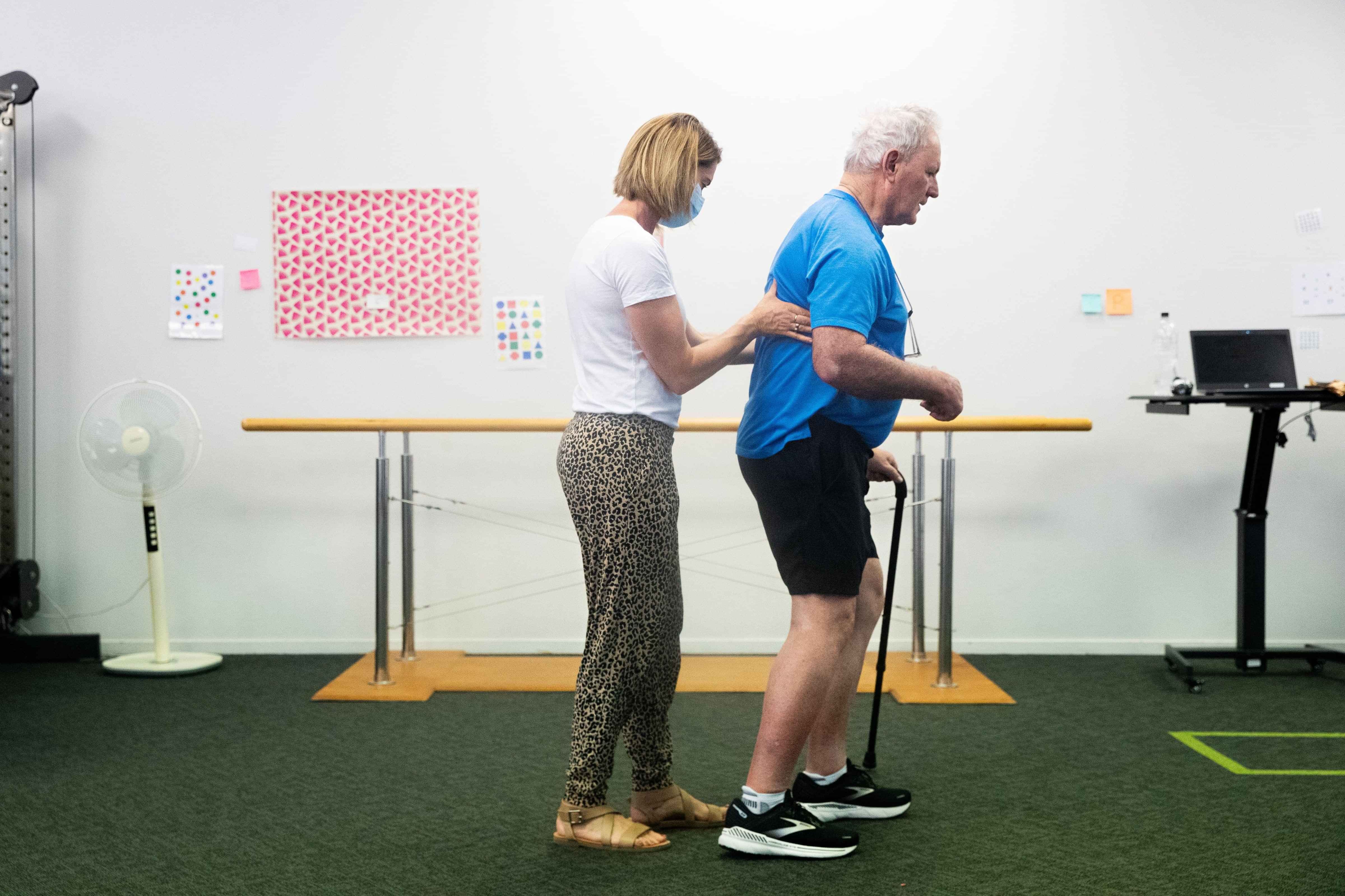
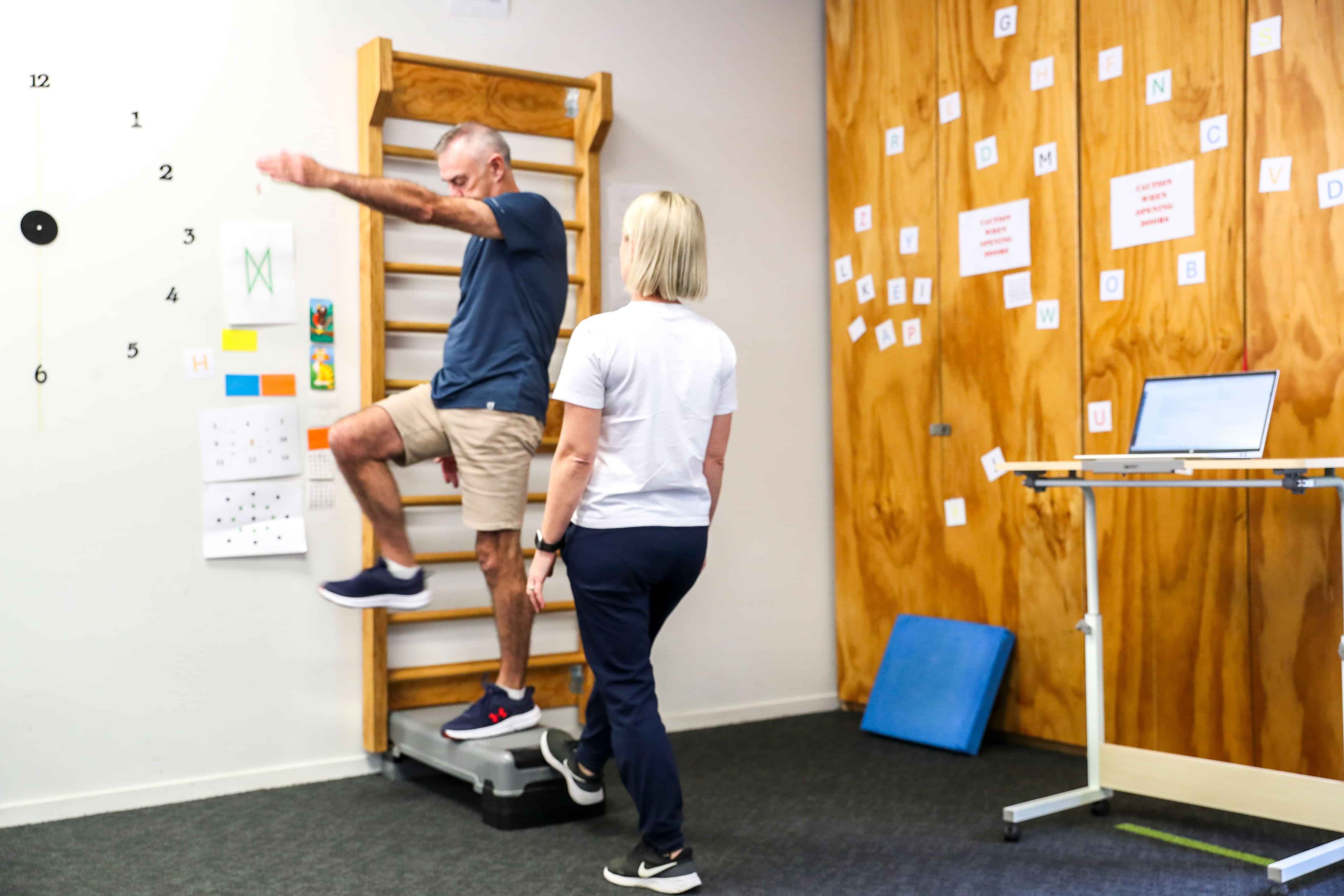
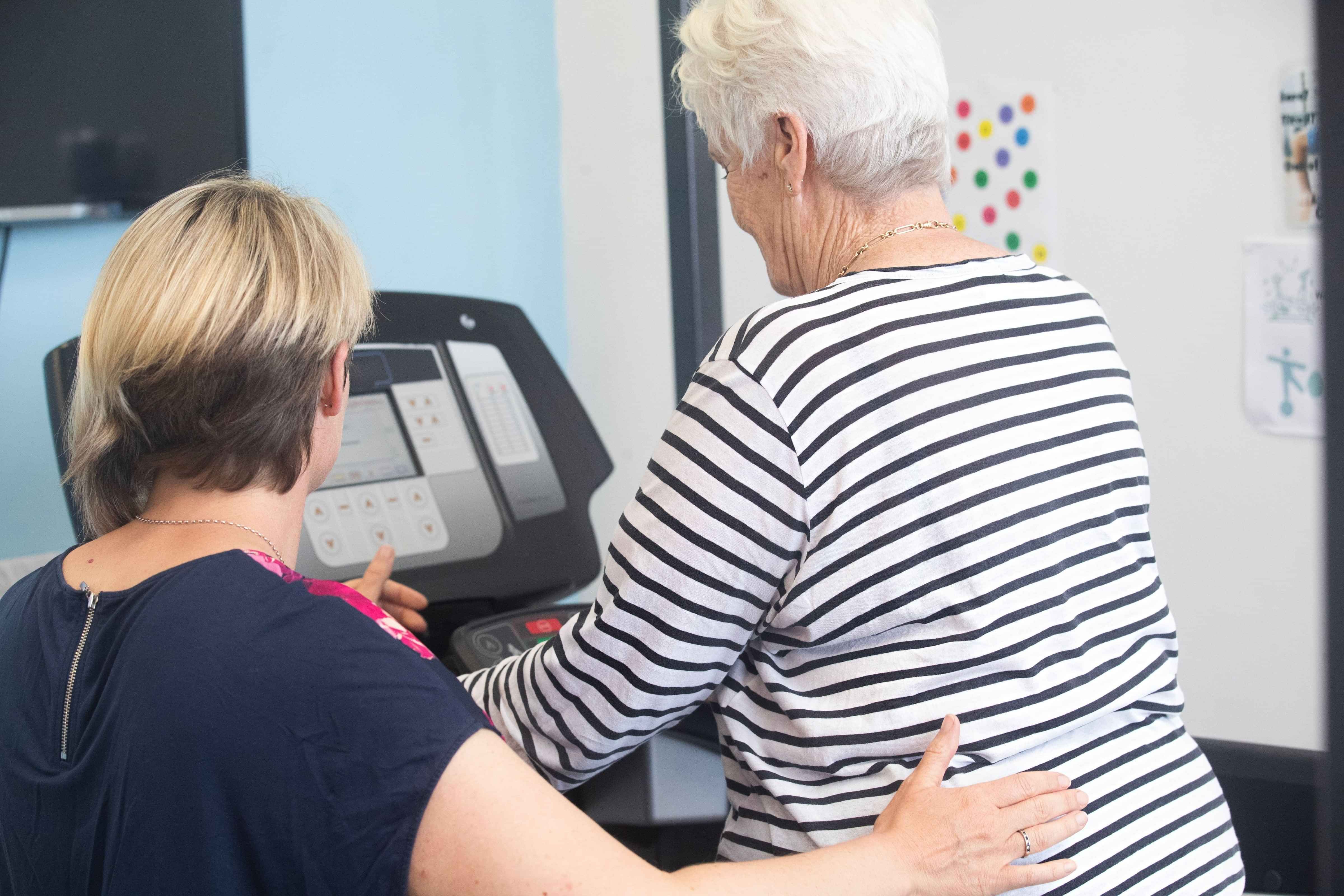
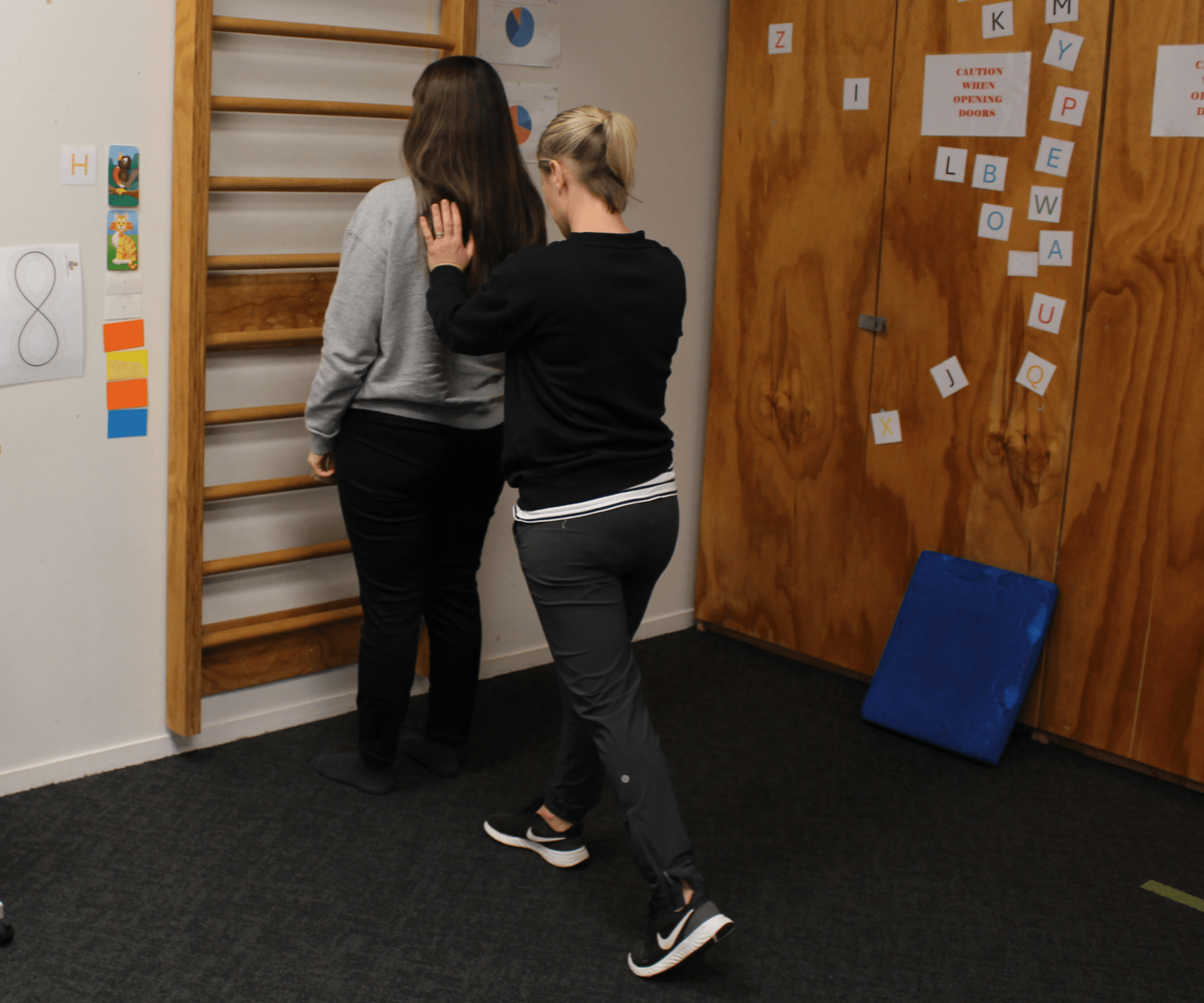
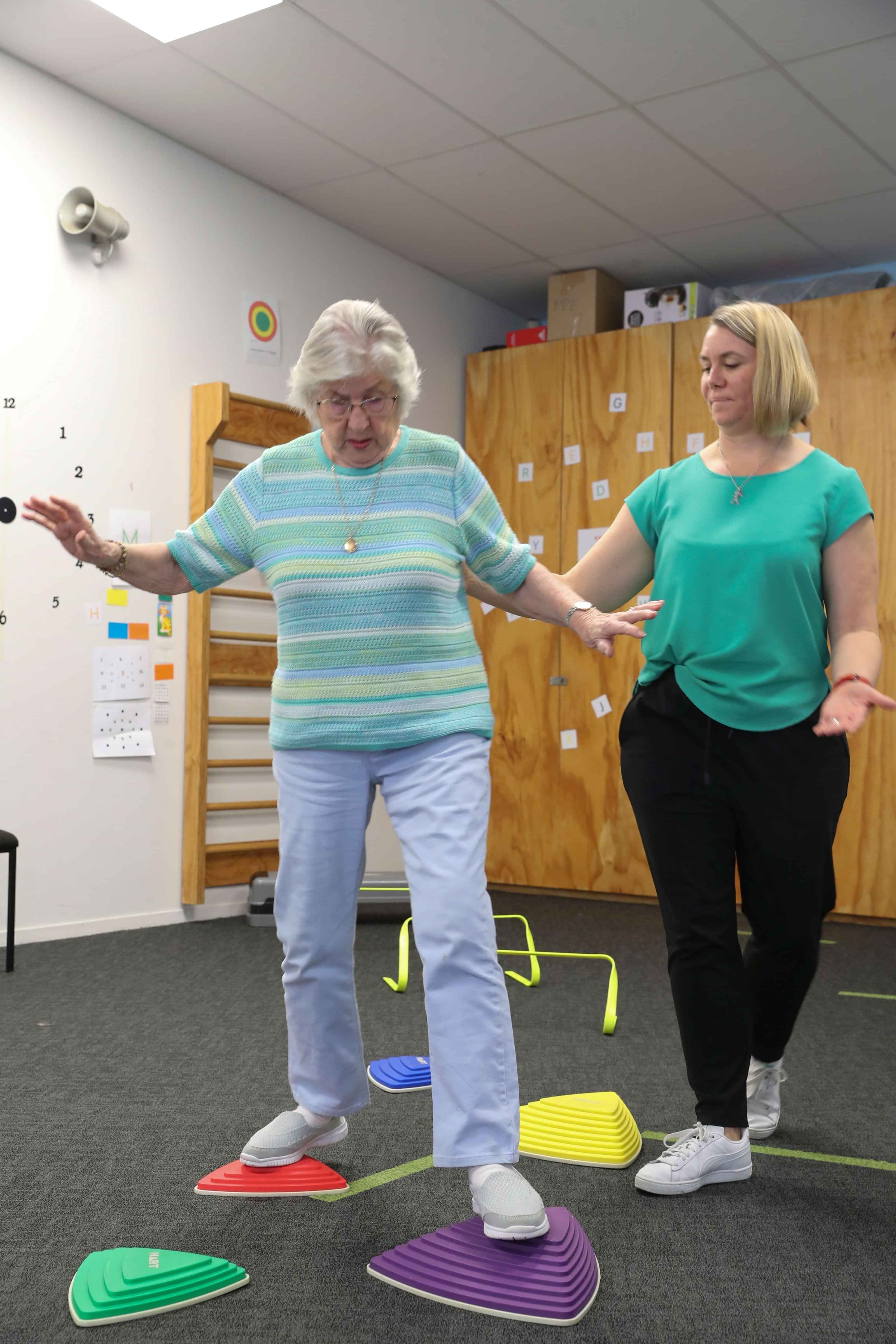
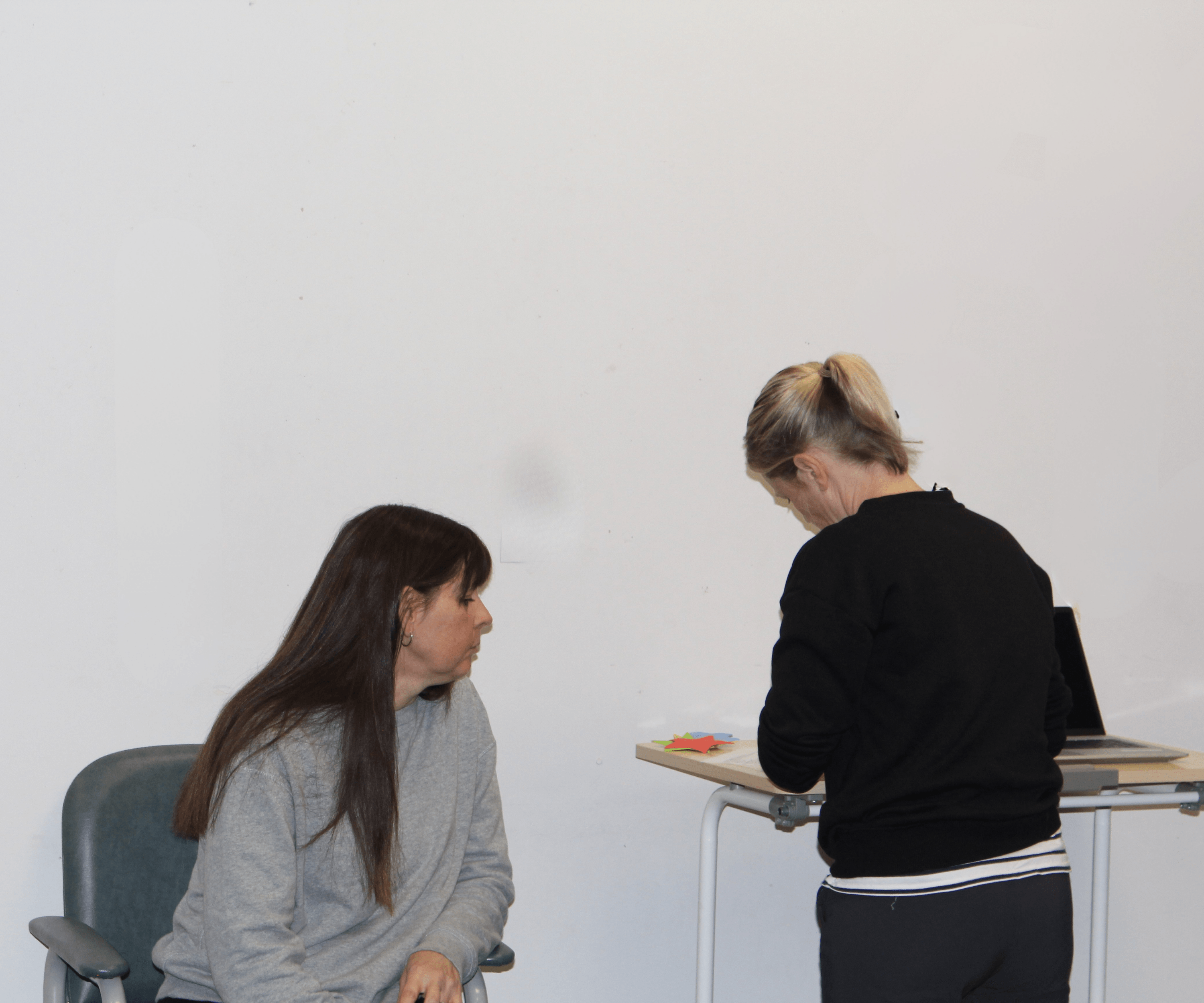
What Multiple Sclerosis Rehabilitation looks like at Hibiscus Neuro Rehab.
We work with people at all stages of MS, from those recently diagnosed who want to be proactive about their function, to those managing relapsing-remitting or progressive MS who want to maintain what they have and build where they can. We make a plan specific to you.
Your programme may include:
Mobility and walking rehabilitation - addressing gait changes, foot drop, or reduced endurance
Balance retraining - to reduce falls risk and improve confidence on your feet
Fatigue management - one of the most significant and most treatable aspects of MS, using pacing, energy conservation, and activity planning
Strength and flexibility work -adapted to your current capacity
Higher intensity exercise where appropriate - using principles of neuroplasticity to support meaningful changes in how you move and function
Interval-based training - helping you work at a higher level while managing neuromuscular fatigue
Education and strategy planning - so you understand your symptoms and feel more in control of how you manage them day-to-day
Spasticity management strategies - movement and positioning techniques that help
Occupational therapy support for daily tasks, home modifications, and equipment
Heat sensitivity and activity strategies - because Uhthoff's phenomenon (symptom worsening with heat) affects many people with MS
Relapse recovery support - helping you regain function after a setback
We also work as part of your wider team - including your neurologist and MS nurse where appropriate - so that your rehabilitation fits with your overall care plan.
Your Questions Answered
Is it safe to exercise with MS? I worry about making things worse.
This is one of the most common questions we hear, and the short answer is yes, exercise is safe and beneficial for most people with MS. For most people with MS, exercise is safe and can be beneficial. Years ago, people were often told to avoid exertion, but we now understand that appropriately paced movement can support strength, balance, fatigue, and overall quality of life. Actually exercise is now thought of as important as medication.
The key is doing the right kind of exercise at the right intensity, with attention to fatigue and heat sensitivity. That’s exactly what we help you work out.
I have relapsing-remitting MS. When should I do rehabilitation, during a relapse or after?
Generally, we focus rehabilitation on the recovery phase after a relapse, or on maintenance during periods of stability, not during an acute relapse itself. During a relapse, the focus of rehab may shift to lower intensity exercise and prioritizing rest and medical management. Once things have stabilised, rehabilitation can help you regain any lost function and build resilience for the future. If you're unsure whether you're in a relapse or a fluctuation, it's always worth speaking with your neurologist.
Fatigue is my biggest problem with MS. Can rehabilitation actually help with that?
Fatigue is one of the most common and frustrating symptoms of MS — and it’s something rehabilitation can meaningfully support.
We look at fatigue from several angles:
pacing and energy conservation
activity planning
physical conditioning
sleep and recovery patterns
This isn’t about pushing through. It’s about understanding how your fatigue behaves and working with it more effectively.
I find heat makes my symptoms much worse. Does that affect rehabilitation?
Yes, what you're describing is called Uhthoff's phenomenon,and it affects a significant number of people with MS. Heat (from exercise, hot weather, or hot showers) can temporarily worsen symptoms. We're very aware of this, and we build it into how we approach sessions, including recommendations around timing, cooling strategies, and the environment. It doesn't prevent you from doing rehabilitation; it just means we need to be thoughtful about how we do it.
I have progressive MS. Is rehabilitation still worthwhile for me?
Yes.
The goals may look different - often focusing on maintaining function, managing fatigue, and adapting to change, but these are important for day-to-day life.
We don’t measure success only by improvement. For many people, maintaining current function or slowing changes is meaningful progress.
Rehabilitation is about supporting you to stay as active and independent as possible, in a way that fits your life.
We're realistic about what rehabilitation can and can't do, but we also know that people with progressive MS benefit from the right support.
Programs and Services We Offer
Physiotherapy for people living with neurological conditions - focused on movement, balance, strength, and getting back to the life you want.
Supporting adults with neurological conditions to regain independence in daily life - from getting dressed to getting back to work, and everything in between.

Skilled therapy assistant support to help you practise, build consistency, and get more from your rehabilitation - working under the guidance of your HNR clinician.
Assessment and rehabilitation for dizziness, vertigo, and balance disorders - helping you feel confident in everyday life.
Physiotherapy and occupational therapy support for older adults - maintaining independence, improving mobility, and staying safe and active in later life.

Clinician-led exercise classes for people with neurological conditions - structured, social, and designed to keep you moving between individual sessions.
Proactive is always better than reactive, but it's never too late to start
If you've been diagnosed with MS and haven't yet connected with rehabilitation -or if things have shifted and you want to reassess what's possible - we'd love to talk.

Book a FREE Discovery Call
Not sure where to start? Book in a FREE 15 minute phone call with a member of our team so we can guide you in the right direction.
How we can help during this call?
Learn more about your situation and needs
Answer your initial questions
Explain how Hibiscus Neuro Rehab may be able to help
Guide you to the most appropriate therapist or service
You might be wondering
Can you actually help with my situation?
I’ve just received a diagnosis - what do I do next?
I know I need support, but I’m not sure where to start.
If that sounds like you, this call is a great place to begin.
Do you need a Doctor's referral?
No to see us, but for accessing ACC funded concussion services a GP referral is required as we might need to clarify this.
Do you do home visits?
Yes we do home visits covering the Hibiscus Coast and surrounding areas. Please get in touch so we can help.
Taking the first step can feel overwhelming, but you don’t have to do it alone. Hibiscus Neuro Rehab Whangaparoa and surrounding areas are here to support you from day one. We’re here for your next step, no matter how small.
Ph: 09 424 3254
Proudly providing Neuro Rehab in Whangaparoa, with home visits available across the Hibiscuss Coast and surrounding areas.