Traumatic Brain Injury & Concussion
A brain injury or concussion can change everything - often in ways that other people can see.
After a brain injury or concussion, people often describe feeling like a different version of themselves. Fatigue that doesn't lift with rest. Difficulty concentrating. Headaches that come and go. Dizziness or a sense of being off-balance. Struggling to get through a day that used to feel ordinary.
These experiences are real and they are not something you simply push through.
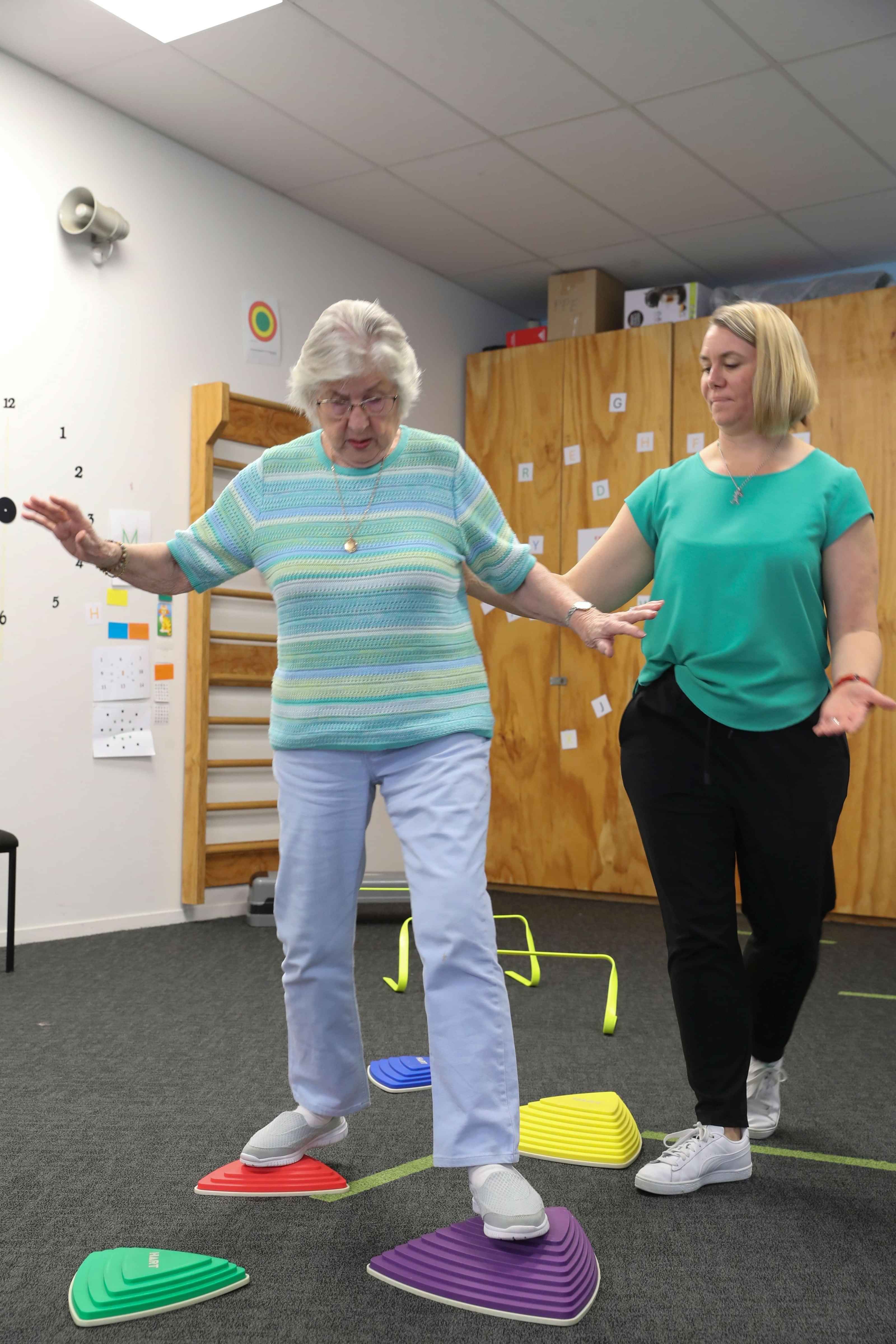
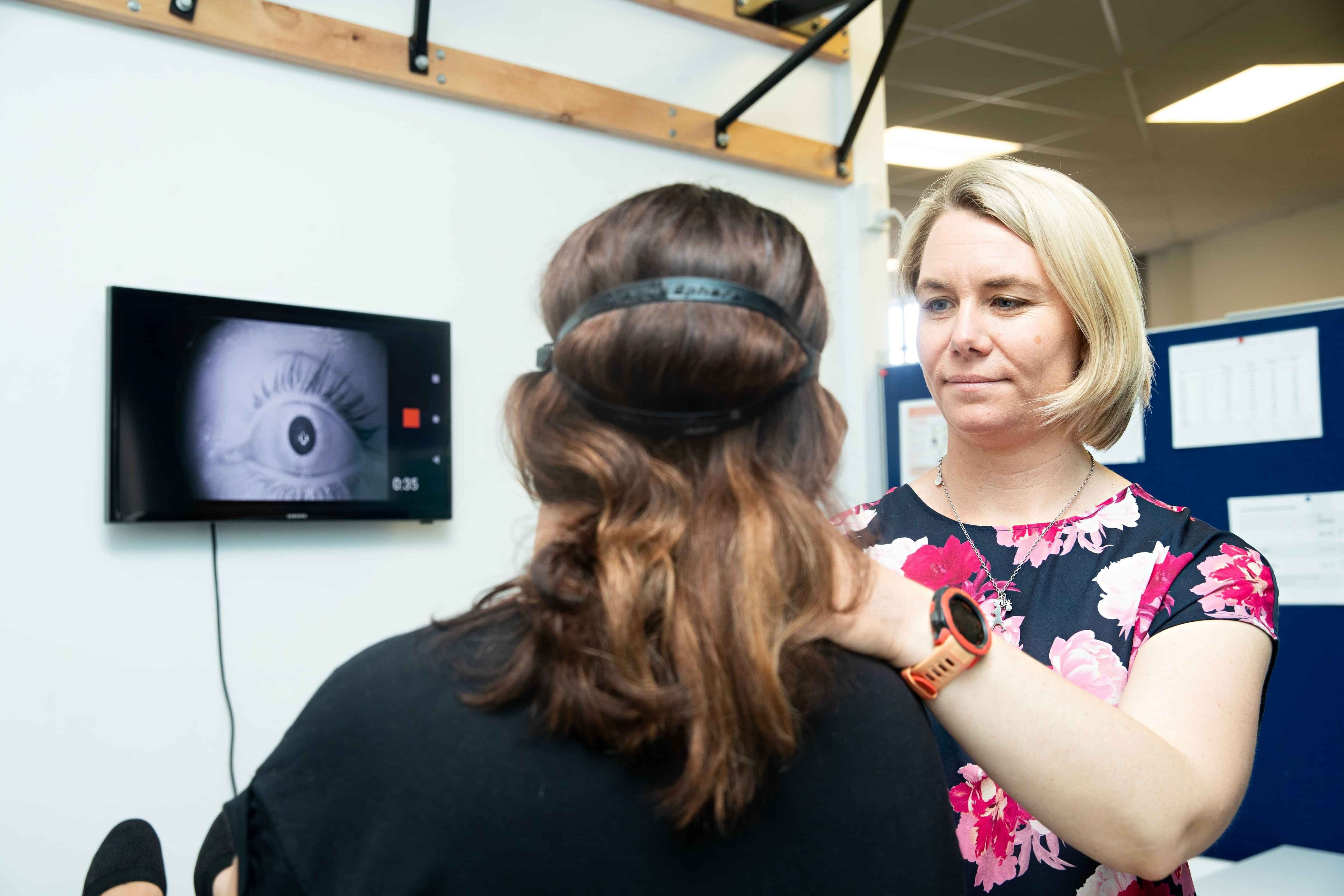
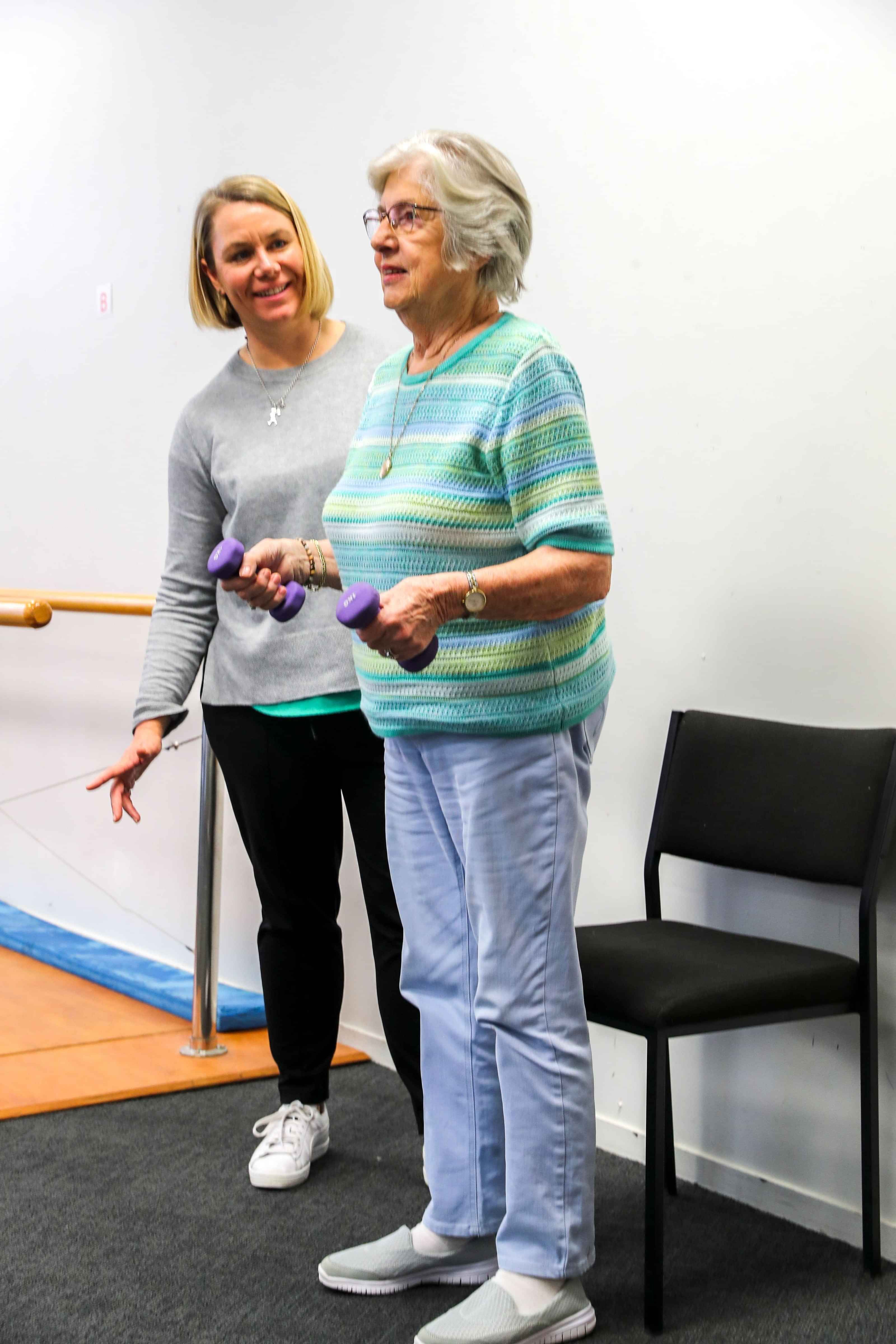
Brain injury exists on a spectrum

Milder Brain Injury
(Concussion)
Fatigue, headaches, dizziness
Screen intolerance, overwhelm
Reduced exercise tolerance
Often “looks normal” from the outside
Mixed / Overlapping Presentations
Combination of sensory, physical, and cognitive symptoms
Variable day-to-day function
Often where people feel most confused about what’s going on
More Significant Brain Injury (ABI / TBI)
Changes in movement and coordination
Reduced balance or walking ability
Cognitive and behavioural changes
Greater impact on independence and daily activities
What Brain Injury and Concussion Rehabilitation looks like at Hibiscus Neuro Rehab.
Brain injury doesn’t affect just one system.
What we often see is a complex interaction between multiple systems; the brain, the vestibular system, vision, movement, and the autonomic nervous system.
That’s why recovery can feel so inconsistent.
You might feel okay one moment and then completely overwhelmed the next.
At HNR, rehabilitation starts by identifying:
Which systems are affected
How they’re interacting
What your current capacity actually is
That may include:
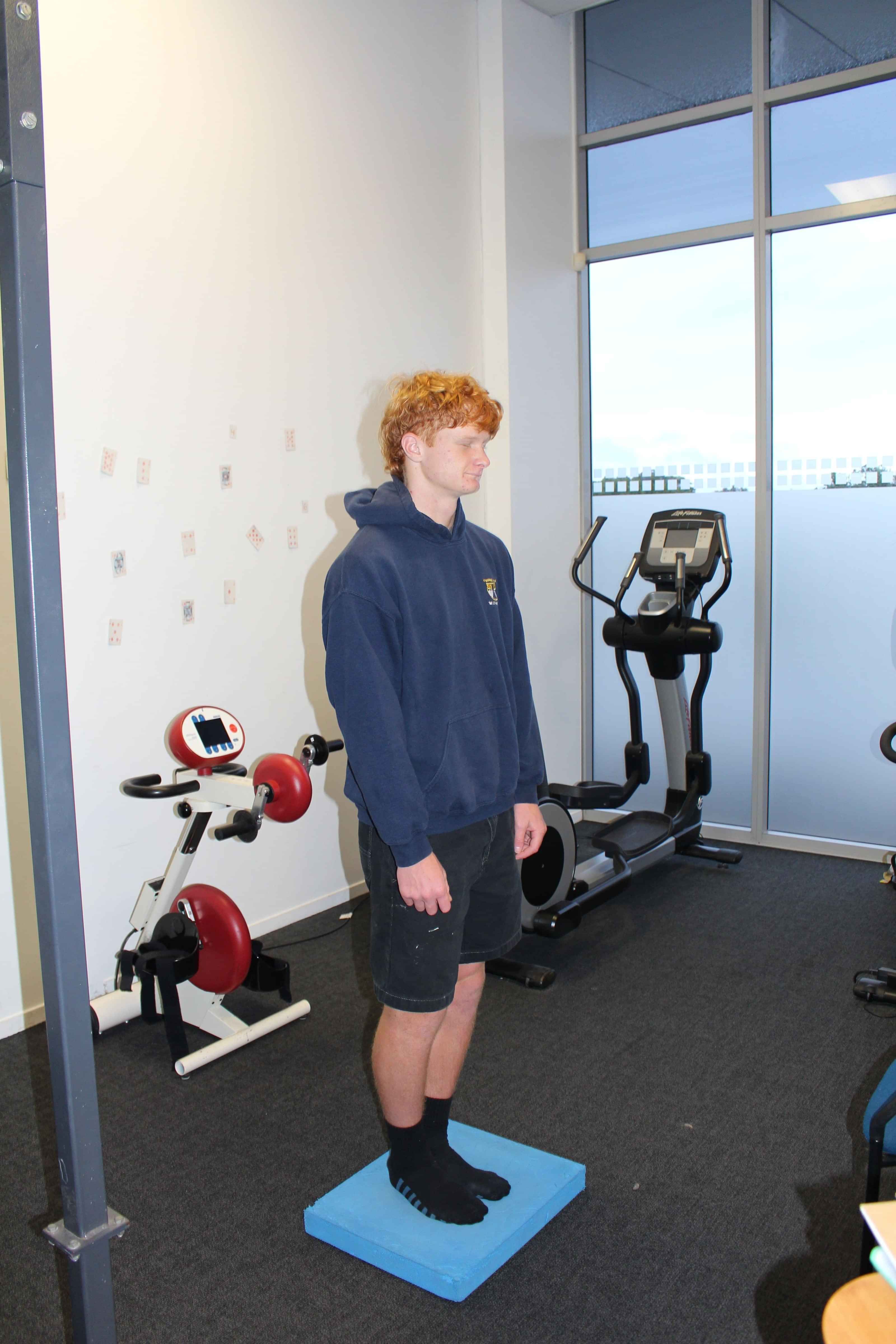
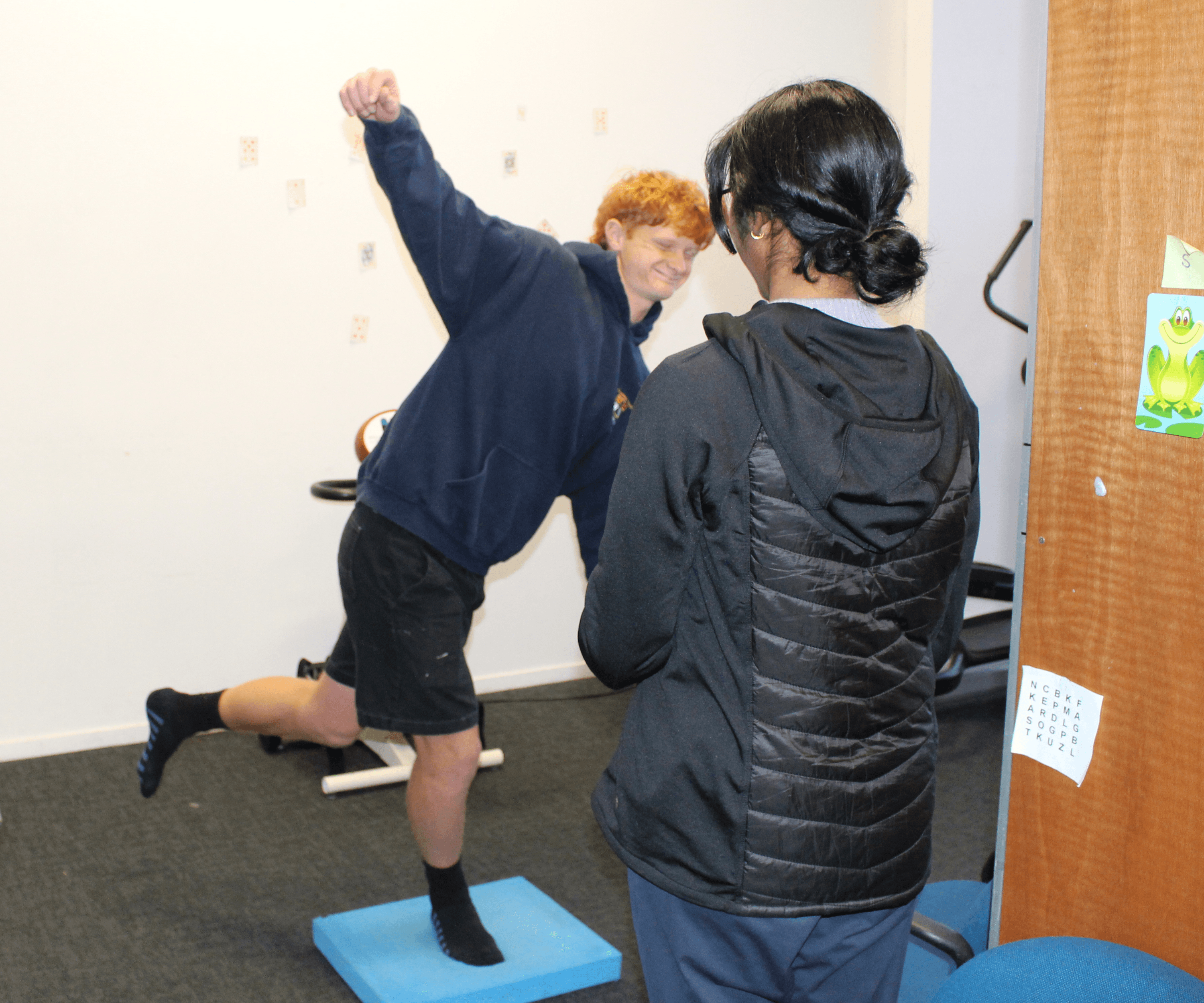
Vestibular function - balance, dizziness, spatial awareness
Visual processing - difficulty with screens or busy environments
Movement and coordination
The autonomic nervous system - how your body regulates energy, heart rate, and stress
Cognitive function - attention, memory, mental fatigue
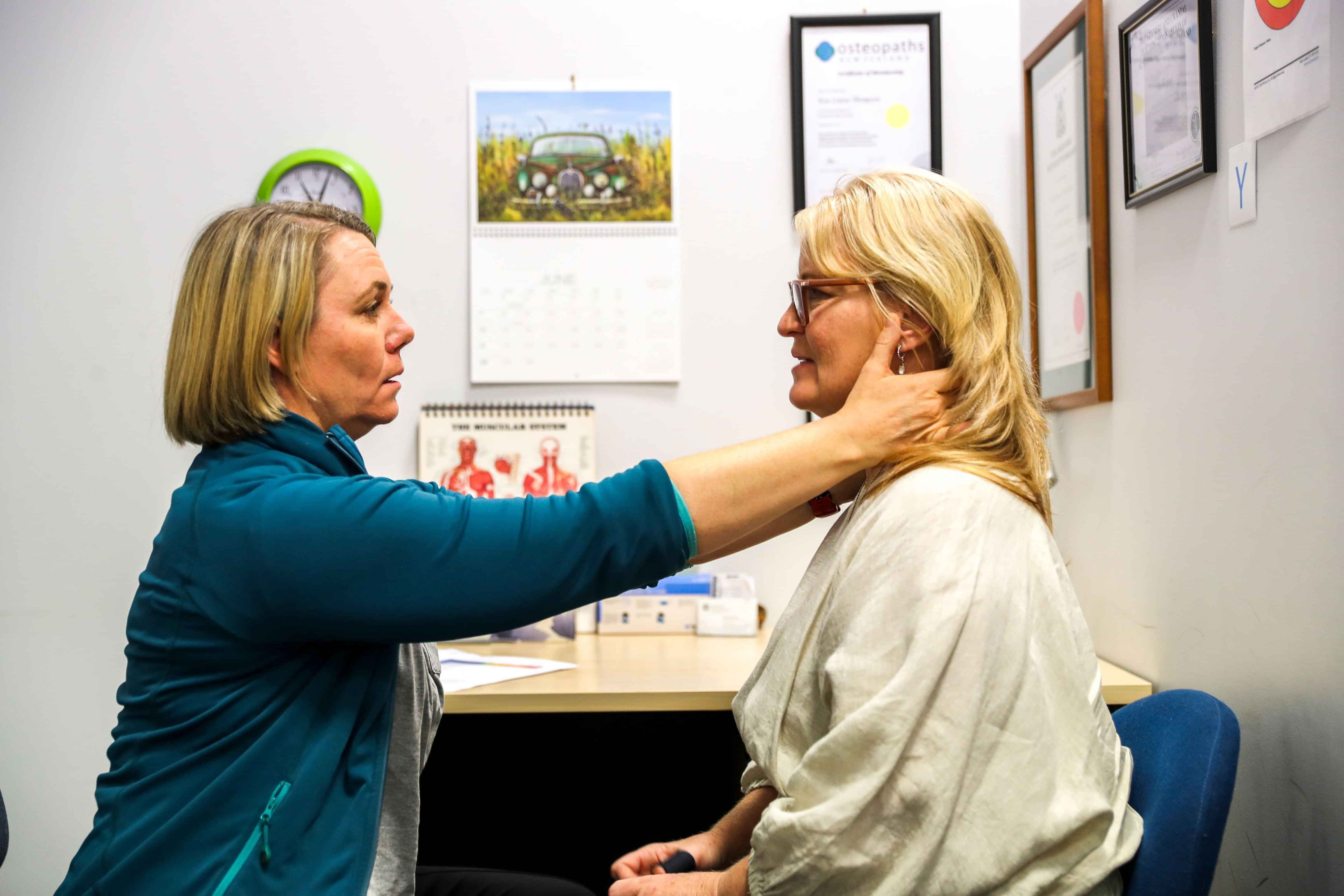
Neck Pain, reduced strength or awareness in space
How rehabilitation is different
Because of this, neuro rehabilitation is not just about rest — or just about one type of treatment.
It’s about retraining how these systems work together again.
For many people with concussion in particular, the autonomic nervous system plays a key role.
This is the system that controls things like:
Heart rate
Blood pressure
Your tolerance to activity
After concussion, it can become dysregulated, which is why exercise, busy environments, or even a normal day can suddenly feel overwhelming.
Rehabilitation may include:
Vestibular and sensory retraining
Targeted movement and strength work
Autonomic regulation strategies
Cognitive and physical pacing
Graded exercise progression
Carefully introduced, progressively increased exercise can be an important part of recovery, especially for concussion.
But the key is getting the timing and intensity right.
Too much can trigger setbacks.
Too little for too long can slow progress.
Concussion and more significant brain injury - not the same thing
While concussion sits at the milder end of the spectrum, more significant brain injuries (ABI / TBI) can present very differently.
With concussion, we often focus on:
Sensory system integration
Autonomic regulation
Gradual return to activity and exercise
With more significant brain injury, rehabilitation may place greater focus on:
Relearning movement and functional tasks
Building strength and physical capacity from a lower base
Balance and mobility retraining
Supporting independence in everyday life
Working alongside family and support systems
Where they overlap
Across the spectrum, people may experience:
Fatigue that isn’t typical tiredness
Reduced tolerance to activity
Difficulty processing information
The need for carefully paced, progressive rehabilitation
In all cases, recovery is not about pushing through.
It’s about giving your brain and body the right input, at the right level, over time.
How we approach it at Hibiscus Neuro Rehabilitation
We don’t apply a single approach.
We look at:
What’s been affected
How significantly
Where you are in your recovery
And build a programme that is:
Individualised- based on your presentation
Progressive - building capacity over time
Paced carefully - to reduce flare-ups
Interdisciplinary - Physio and Occupational Therapy, Psychology and other team members working together where needed
For some people, that means: → Gradual return to higher intensity exercise (often concussion)
For others: → Rebuilding the foundations of movement and independence (often ABI / TBI)
Most people sit somewhere in between.
You don’t have to figure this out alone
Whether your injury happened recently, or you’ve been dealing with symptoms for a long time, we’re here to assess what’s going on, explain it clearly, and help you understand what the next step could look like.
Your Questions Answered
My concussion was months ago and I'm still not right. Is that normal?
More common than most people realise. For most people, concussion symptoms resolve within a few weeks, but for a significant number, symptoms persist for months or longer.
This is sometimes called ppersisting post concussion symptoms and it's a real and recognised condition. It doesn't mean something is permanently wrong, and it doesn't mean you just have to live with it. The right rehabilitation, paced carefully, can make a meaningful difference.
What's the difference between a concussion and a traumatic brain injury?
A concussion is a type of mild traumatic brain injury (mTBI) caused by force to the head, necik or body that affects how the brain functions. More significant traumatic brain injuries (TBI) involve greater force and may cause structural changes that show up on imaging.
Both can benefit from rehabilitation, though the approach and timeline will differ. We work with people across the spectrum - from concussion to acquired brain injury and tailor the programme to what's actually going on for you.
I find screens and busy environments really difficult since my injury. Can that be treated?
Yes, this is a vestibular and sensory processing issue that many people experience after brain injury or concussion, and it responds well to rehabilitation. We use graded exposure alongside vestibular retraining to help your brain recalibrate how it handles visual and sensory information. Many people find this is one of the most life-changing things we work on, because it's the thing that's been keeping them from getting back to work or everyday life.
How do you manage fatigue during rehabilitation? I crash badly if I do too much.
Post-injury fatigue is something we take very seriously, pushing through it doesn't work, and can actually set recovery back. We use pacing principles carefully, build your programme around your current capacity, and increase demand very gradually. We also help you understand your own fatigue patterns so that you can manage your days more effectively. The goal is to expand what you can do without triggering the boom-bust cycle.
My brain injury was years ago. Is it too late to benefit from rehabilitation?
No. The brain continues to adapt throughout life, and we've seen people make meaningful progress years, even decades, after an acquired brain injury. Sometimes it's a specific goal that's brought them back to rehabilitation; sometimes it's a life change that's made existing difficulties more pressing. Whatever the reason, it's worth having an assessment to understand what's possible for you now.
Programs and Services We Offer
Physiotherapy for people living with neurological conditions - focused on movement, balance, strength, and getting back to the life you want.
Supporting adults with neurological conditions to regain independence in daily life - from getting dressed to getting back to work, and everything in between.
Skilled therapy assistant support to help you practise, build consistency, and get more from your rehabilitation - working under the guidance of your HNR clinician.
Assessment and rehabilitation for dizziness, vertigo, and balance disorders - helping you feel confident in everyday life.
Physiotherapy and occupational therapy support for older adults - maintaining independence, improving mobility, and staying safe and active in later life.
Clinician-led exercise classes for people with neurological conditions - structured, social, and designed to keep you moving between individual sessions.
Book a FREE Discovery Call
Not sure where to start? Book in a FREE 15 minute phone call with a member of our team so we can guide you in the right direction.
How we can help during this call?
Learn more about your situation and needs
Answer your initial questions
Explain how Hibiscus Neuro Rehab may be able to help
Guide you to the most appropriate therapist or service
You might be wondering
Can you actually help with my situation?
I’ve just received a diagnosis - what do I do next?
I know I need support, but I’m not sure where to start.
If that sounds like you, this call is a great place to begin.
Do you need a Doctor's referral?
No to see us, but for accessing ACC funded concussion services a GP referral is required as we might need to clarify this.
Do you do home visits?
Yes we do home visits covering the Hibiscus Coast and surrounding areas. Please get in touch so we can help.
Taking the first step can feel overwhelming, but you don’t have to do it alone. Hibiscus Neuro Rehab Whangaparoa and surrounding areas are here to support you from day one. We’re here for your next step, no matter how small.
Ph: 09 424 3254
Proudly providing Neuro Rehab in Whangaparoa, with home visits available across the Hibiscuss Coast and surrounding areas.