Stroke Rehabilitation
A stroke can change things in an instant. Recovery takes time, and the right support.
After a stroke, people often find themselves navigating a body that feels unfamiliar. Movement that used to be automatic now takes effort. Balance may feel unreliable. Fatigue can arrive without warning. And alongside all of that, there is often the quiet anxiety of not knowing; What will recovery look like? Will things improve?
They can. Hibiscus Neuro Rehab has seen it. And we are here to work that out with you.
What stroke rehabilitation looks like at Hibiscus Neuro Rehab
Every stroke is different - which means every rehabilitation programme needs to be too.
But underneath that, there is one thing we’re always working with:
Your brain’s ability to change.
After a stroke, the brain doesn’t just “heal” in a passive way.
It reorganises.
It builds new pathways.
It relearns movement through repeated, meaningful use.
That process is called neuroplasticity and it’s what rehabilitation is designed around.
We’re not just exercising muscles.
We’re training your brain to do things differently.
What that means in practice
Recovery doesn’t come from doing something once or twice.
Brain change isn’t driven by passive treatment or low-dose exercise, it comes from enough of the right kind of practice to actually teach your brain something new
It comes from specific, repeated practice, done in a way that challenges your system enough to create change, without overwhelming it.
That might look like:
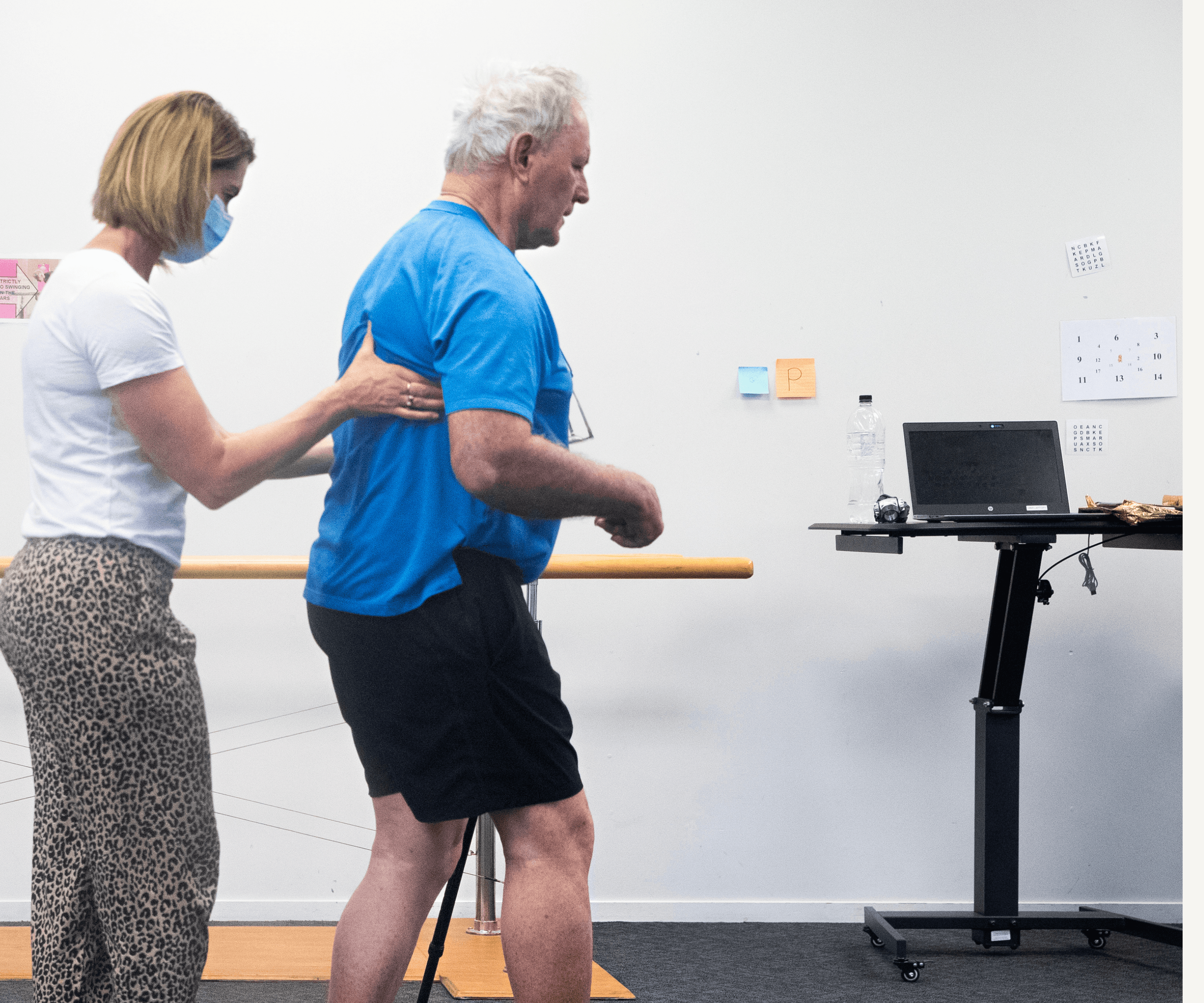
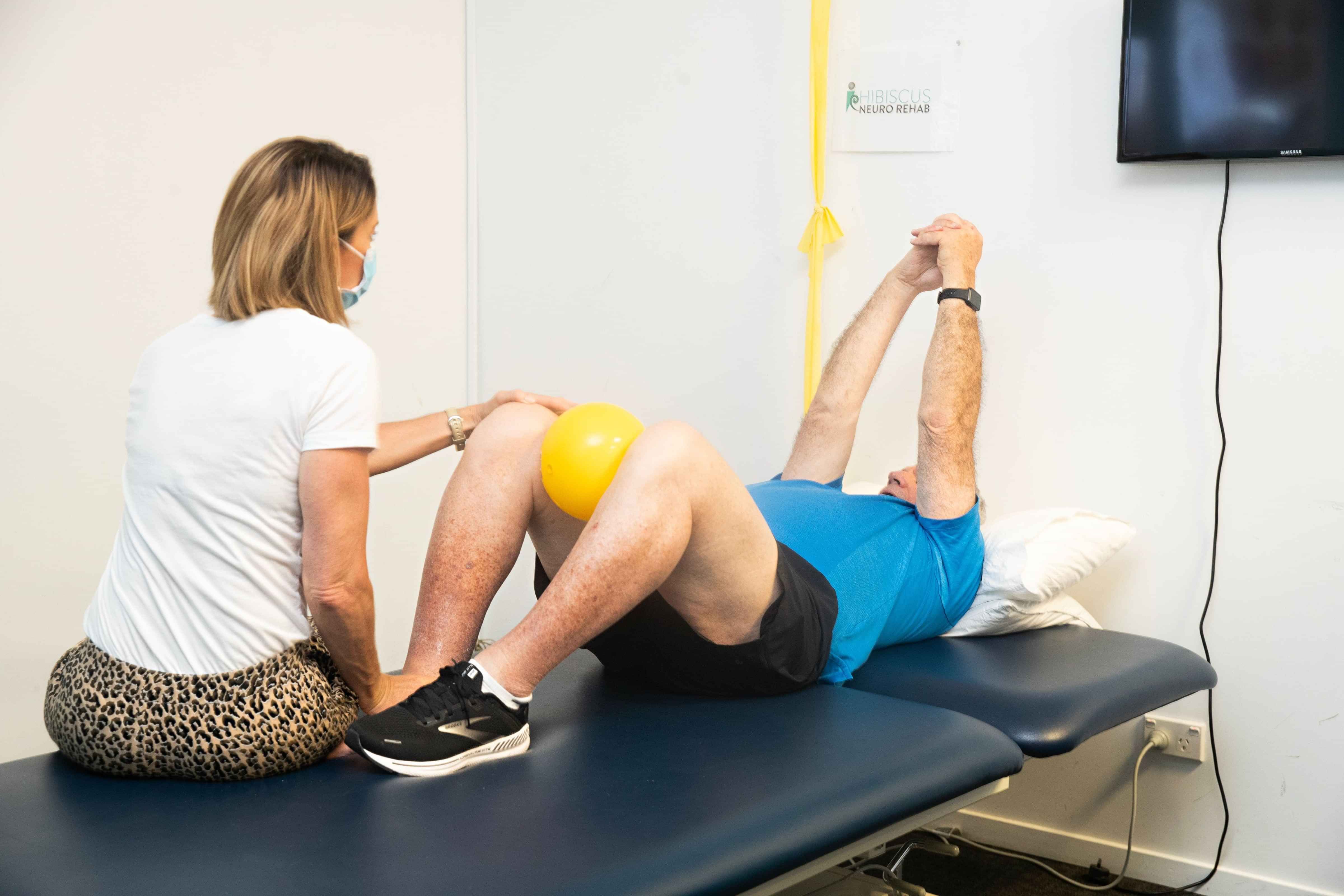
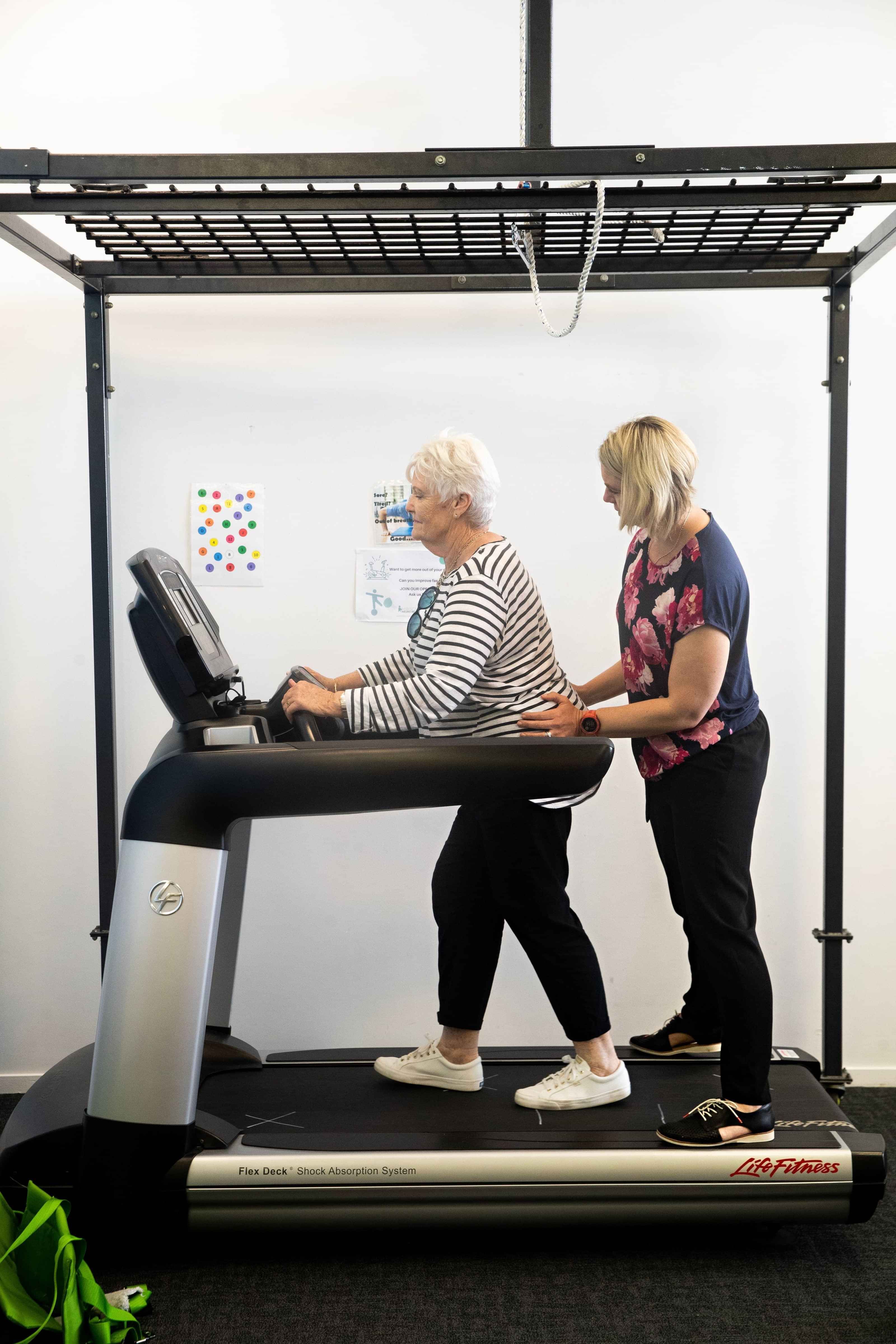
Practising walking patterns again and again - so your brain can rebuild the sequence
Working on transitions like sit-to-stand until they become more automatic
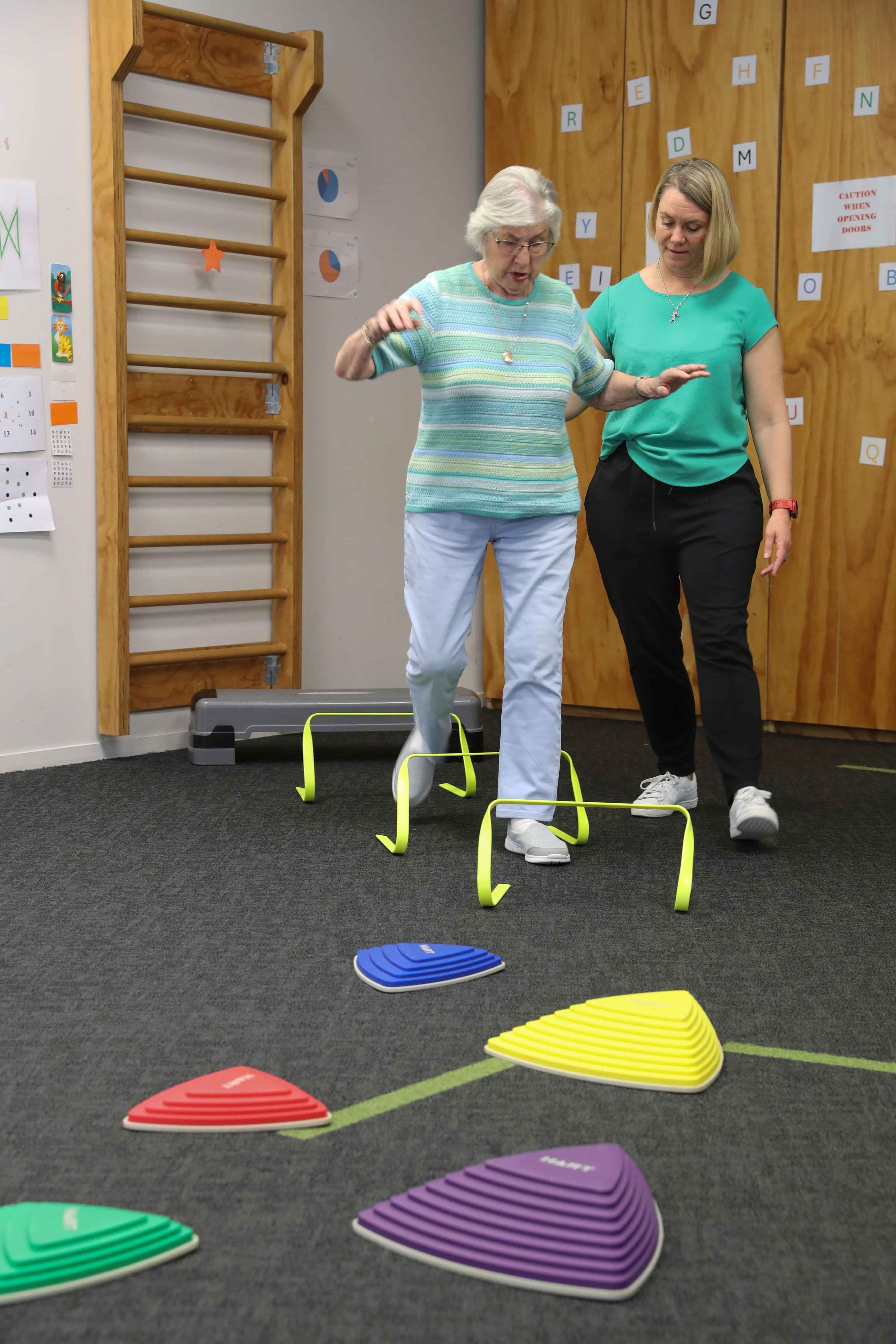
Challenging your balance in controlled ways - so your brain learns how to respond
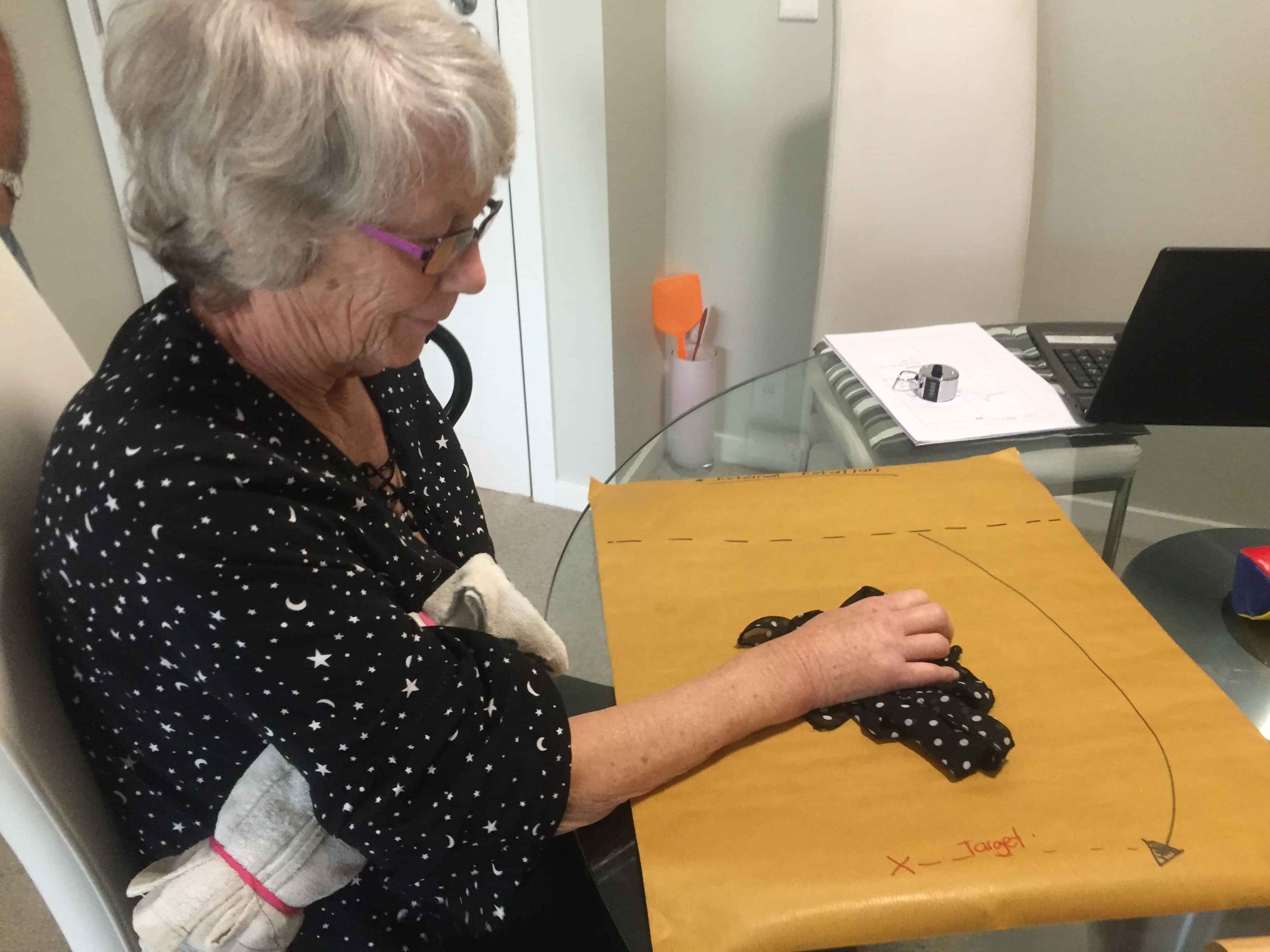
Repeating arm or hand movements that currently feel slow, effortful, or unreliable
This is where intensity matters.
Not in a “push through at all costs” way - but in doing enough of the right kind of practice to actually drive change.
From there, your programme may include:
Practising Real-life Movements
Like walking, turning, reaching, and getting up from a chair, so these feel more automatic again
Balance Work
Helping your body relearn how to keep you steady, especially in situations that currently feel uncertain or unsafe
Strength and Coordination Work
Where it supports smoother, more reliable movement (not just building muscle for the sake of it)
Ways of Retraining How Your Body Feels and Moves
Including sensory retraining, mirror therapy, or mental imagery, where needed, to help your brain reconnect with parts of the body that feel different or difficult to use
Technology-Supported Rehabilitation
Such as bodyweight-supported treadmill walking or electrical stimulation (FES), to help guide movement and allow more repetition than might otherwise be possible
Fatigue Management
because your brain needs energy to learn, and stroke fatigue changes how practice needs to be paced
Occupational Therapy Support
Carrying this same practice into everyday tasks like dressing, cooking, and getting back to work
Home or Community-Based Sessions
Because practising in your own environment often leads to more meaningful change
Support for Family and the People Around You
Not just understanding what’s going on, but helping them know how to support you day-to-day, while also making sure they can step back, take breaks, and manage their own energy too
Building Confidence and Self-Belief
Because how you feel about your body, your recovery, and what’s possible plays a big role in how you engage in rehab. We work with you to build that confidence over time, in a way that feels grounded and real
Why we don't rush it
Rewiring the brain takes time.
Some weeks you’ll see clear progress.
Other weeks it might feel like things are standing still.
But often, what looks like “no change” is still part of the process - your brain consolidating what it’s been learning.
That’s why consistency matters more than quick wins.
You don't have to figure this out alone
Whether you’re in the early weeks after a stroke, or you’ve been managing the longer-term effects for some time - we’re here to help you make sense of where things are at, explain what we’re seeing, and work with you on what comes next.
Recovery doesn’t follow a straight line - and it often feels different from what people expect. Having someone guide that process, and adjust things as your brain and body respond, can make it feel more manageable.
Your Questions Answered
How soon after a stroke should I start rehabilitation?
As soon as you’re medically stable and able to engage — which is often sooner than people expect.
Early rehabilitation helps the brain begin the process of relearning and reorganising. That doesn’t mean doing everything at once, but starting the right kind of practice early can make a difference to how those patterns develop.
If you’ve recently been discharged from hospital and haven’t yet connected with outpatient rehab, or if there’s been a gap in your care, it’s worth getting in touch.
It’s rarely too late to make progress — but earlier can make things easier to build from.
I had my stroke some time ago. Is it still worth coming?
Yes. Recovery isn’t limited to the first few months. The brain retains the ability to adapt and change for much longer than was once understood.
Many people we work with come to us later - often when things have plateaued, or when their priorities have shifted and they want to work on something specific.
Even small changes in how you move or manage your energy can make a meaningful difference in everyday life.
My stroke was mild. Do I really need rehabilitation?
Even after a mild stroke, subtle changes can affect movement, balance, fatigue, or thinking.
These aren’t always obvious at first - but over time they can start to impact confidence, independence, or how much energy things take.
Rehabilitation can help you understand what’s changed, and give you a way to work on it before it becomes more limiting.
A mild stroke is still a stroke and having the right support early can help you stay on track and you don’t have to think I have had a stroke this must be it.
Can you help with fatigue after stroke? It's my biggest problem.
Post-stroke fatigue is one of the most common and most underestimated effects of stroke, and yes, it's something we address directly.
It's not just tiredness; it's a neurological fatigue that doesn't always respond to rest the way you'd expect. We look at how fatigue is showing up in your day, what might be contributing to it, and how to structure your activity so your energy is going toward things that actually support progress - rather than working against it.
Can family members be involved in sessions?
Absolutely, and often it’s an important part of the process.
Stroke doesn’t just affect one person. It changes routines, roles, and the day-to-day for the people around you as well.
We work with family and support people to help them understand what’s going on, how to support the right kind of practice at home, and just as importantly, how to step back, take breaks, and look after their own energy too.
When that balance is right, it makes things more sustainable for everyone.
Programs and Services We Offer
Physiotherapy for people living with neurological conditions - focused on movement, balance, strength, and getting back to the life you want.
Supporting adults with neurological conditions to regain independence in daily life - from getting dressed to getting back to work, and everything in between.
Skilled therapy assistant support to help you practise, build consistency, and get more from your rehabilitation - working under the guidance of your HNR clinician.
Assessment and rehabilitation for dizziness, vertigo, and balance disorders - helping you feel confident in everyday life.
Physiotherapy and occupational therapy support for older adults - maintaining independence, improving mobility, and staying safe and active in later life.
Clinician-led exercise classes for people with neurological conditions - structured, social, and designed to keep you moving between individual sessions.
Book a FREE Discovery Call
Not sure where to start? Book in a FREE 15 minute phone call with a member of our team so we can guide you in the right direction.
How we can help during this call?
Learn more about your situation and needs
Answer your initial questions
Explain how Hibiscus Neuro Rehab may be able to help
Guide you to the most appropriate therapist or service
You might be wondering
Can you actually help with my situation?
I’ve just received a diagnosis - what do I do next?
I know I need support, but I’m not sure where to start.
If that sounds like you, this call is a great place to begin.
Do you need a Doctor's referral?
No to see us, but for accessing ACC funded concussion services a GP referral is required as we might need to clarify this.
Do you do home visits?
Yes we do home visits covering the Hibiscus Coast and surrounding areas. Please get in touch so we can help.
Taking the first step can feel overwhelming, but you don’t have to do it alone. Hibiscus Neuro Rehab Whangaparoa and surrounding areas are here to support you from day one. We’re here for your next step, no matter how small.
Ph: 09 424 3254
Proudly providing Neuro Rehab in Whangaparoa, with home visits available across the Hibiscuss Coast and surrounding areas.