
Parkinson's Disease Rehabilitation
Living with Parkinson's means an adjustment - and the right rehabilitation can make that possible.
Parkinson’s affects movement in ways that often change over time. A tremor that wasn’t there before. Stiffness that makes mornings harder. Walking that feels slower or less automatic. Balance that makes you pause before heading out.
It can feel frustrating when your body doesn’t respond the way it used to.
But Parkinson’s is also one of the conditions where the right approach to rehabilitation can make a real difference in how you move and function day to day.
Movement is central to managing Parkinson’s
One of the most important things we understand about Parkinson’s is that staying active is not optional, it plays a key role in maintaining function over time.
This isn’t about general exercise.
It’s about:
The type of movement
The effort behind it
And the consistency of doing it over time
Targeted, neurologically focused exercise, what we call Neuro Active exercise helps keep the brain and body working together as effectively as possible.
Rehabilitation becomes less about short-term input and more about building a way of moving that supports you long term.
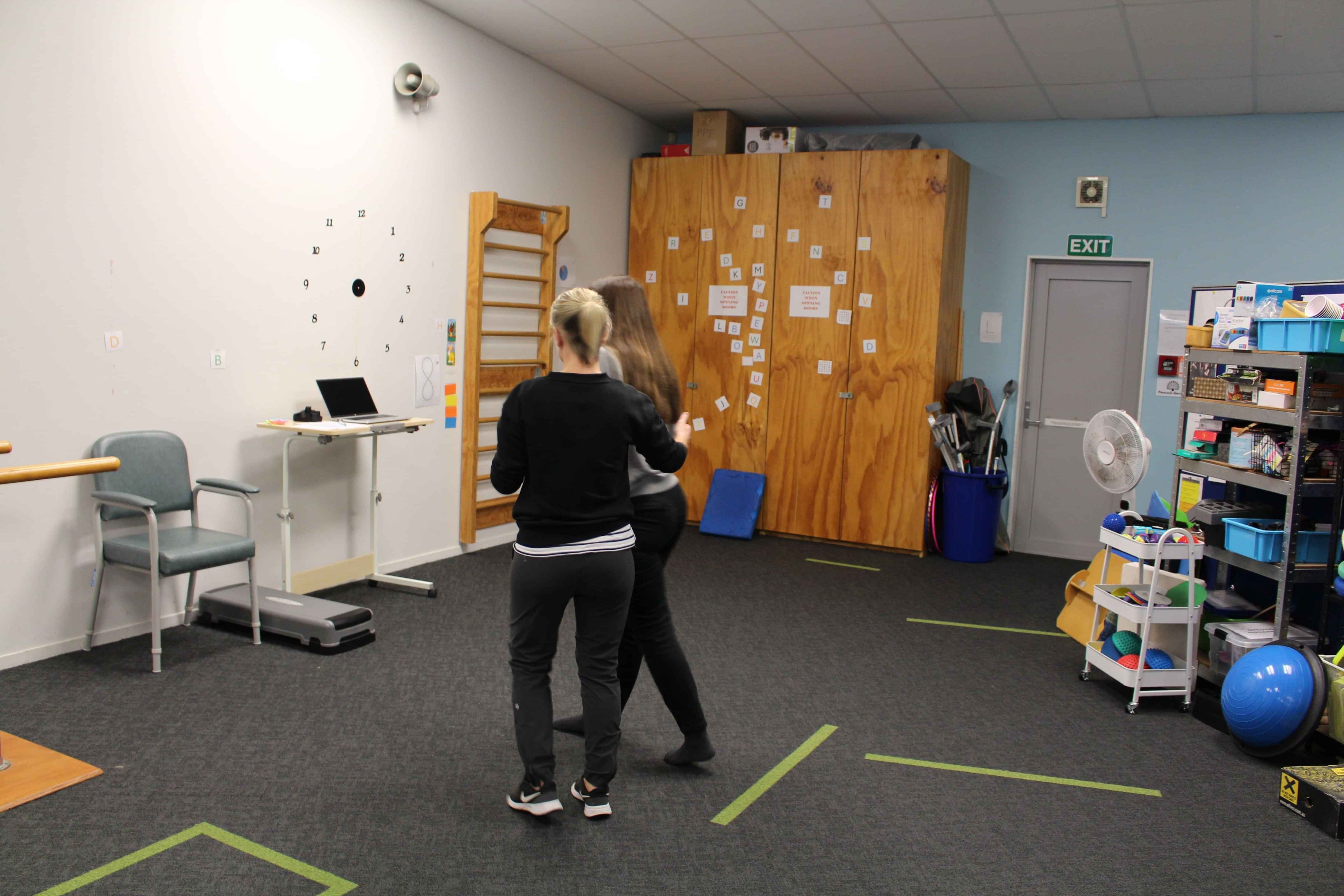
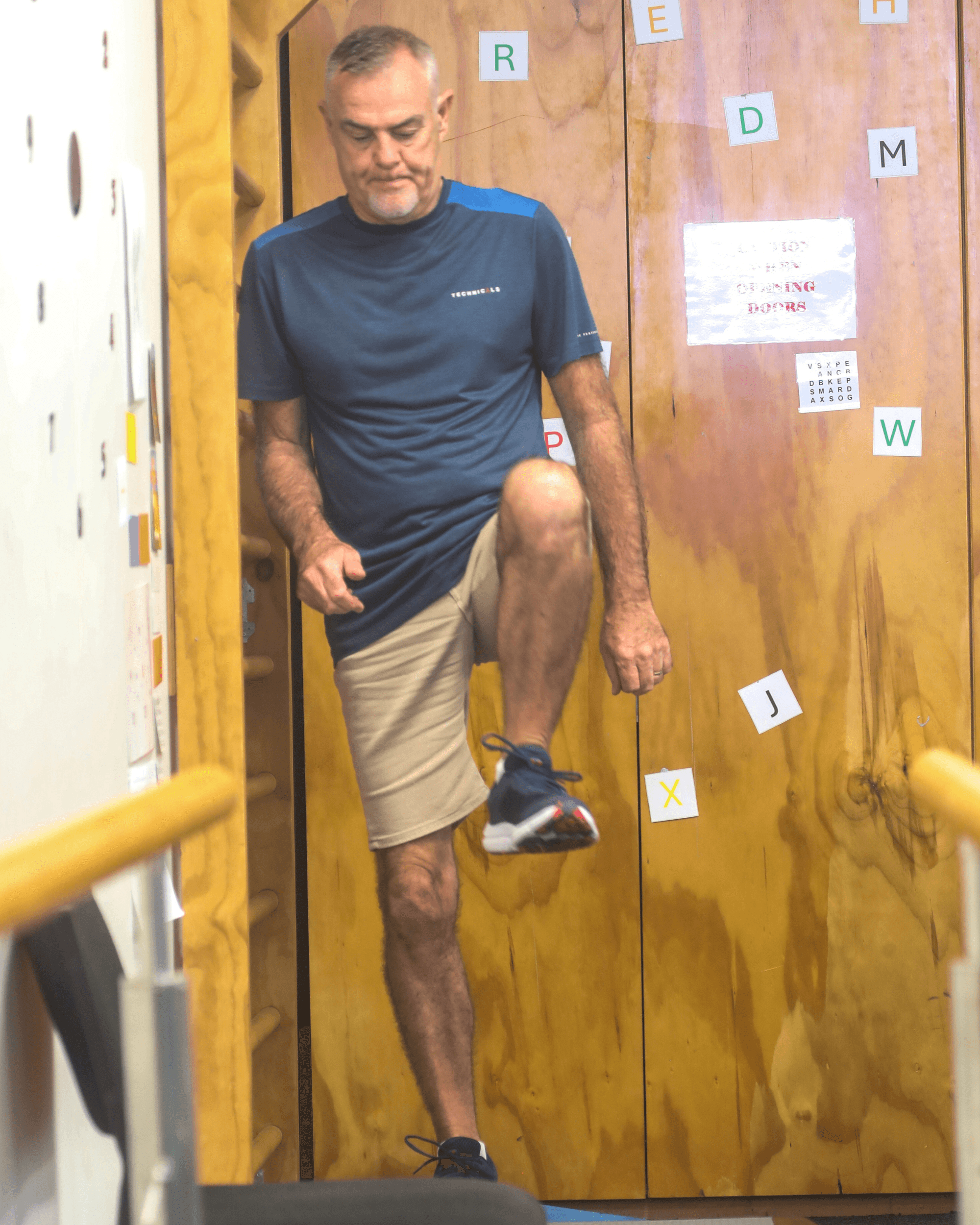
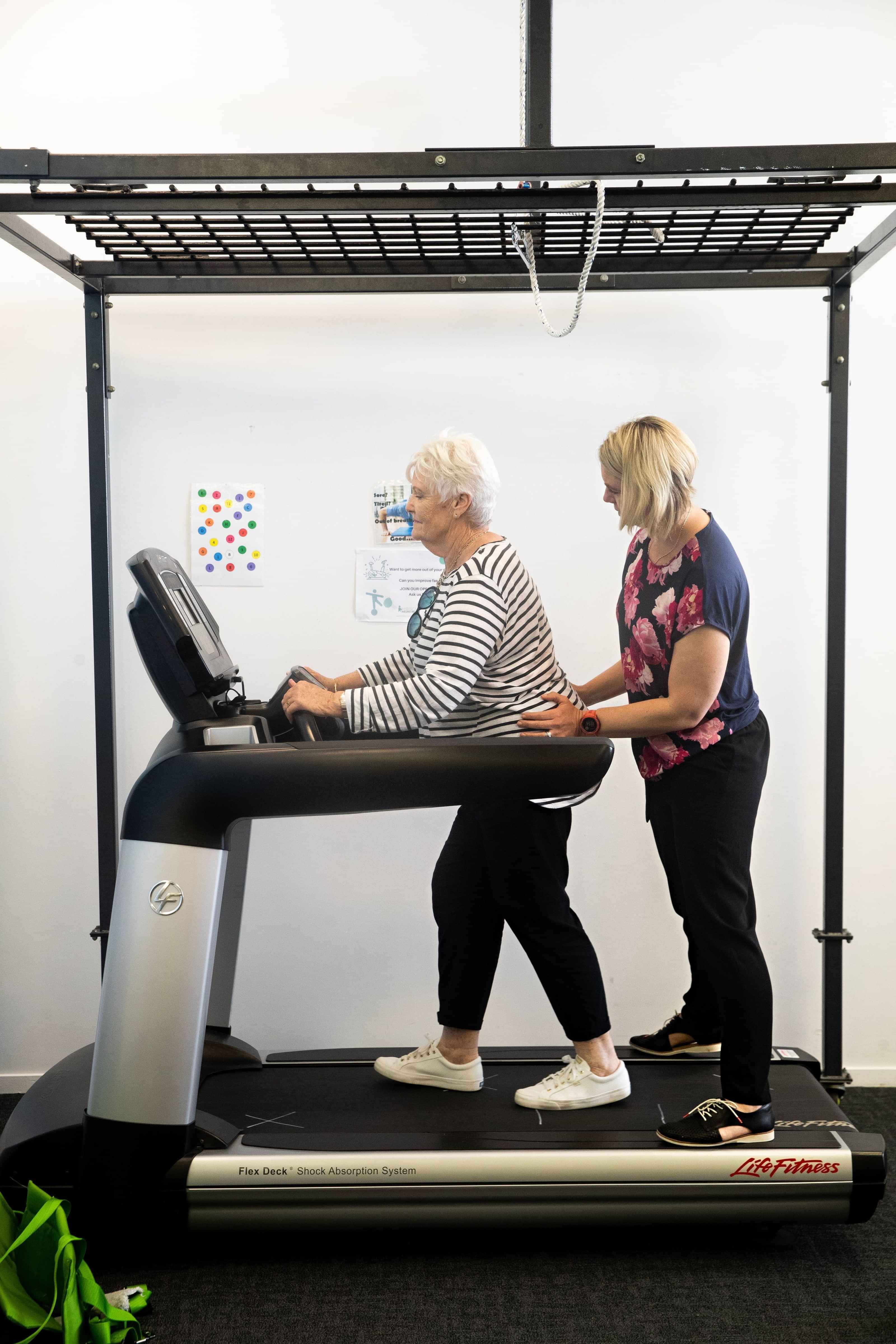
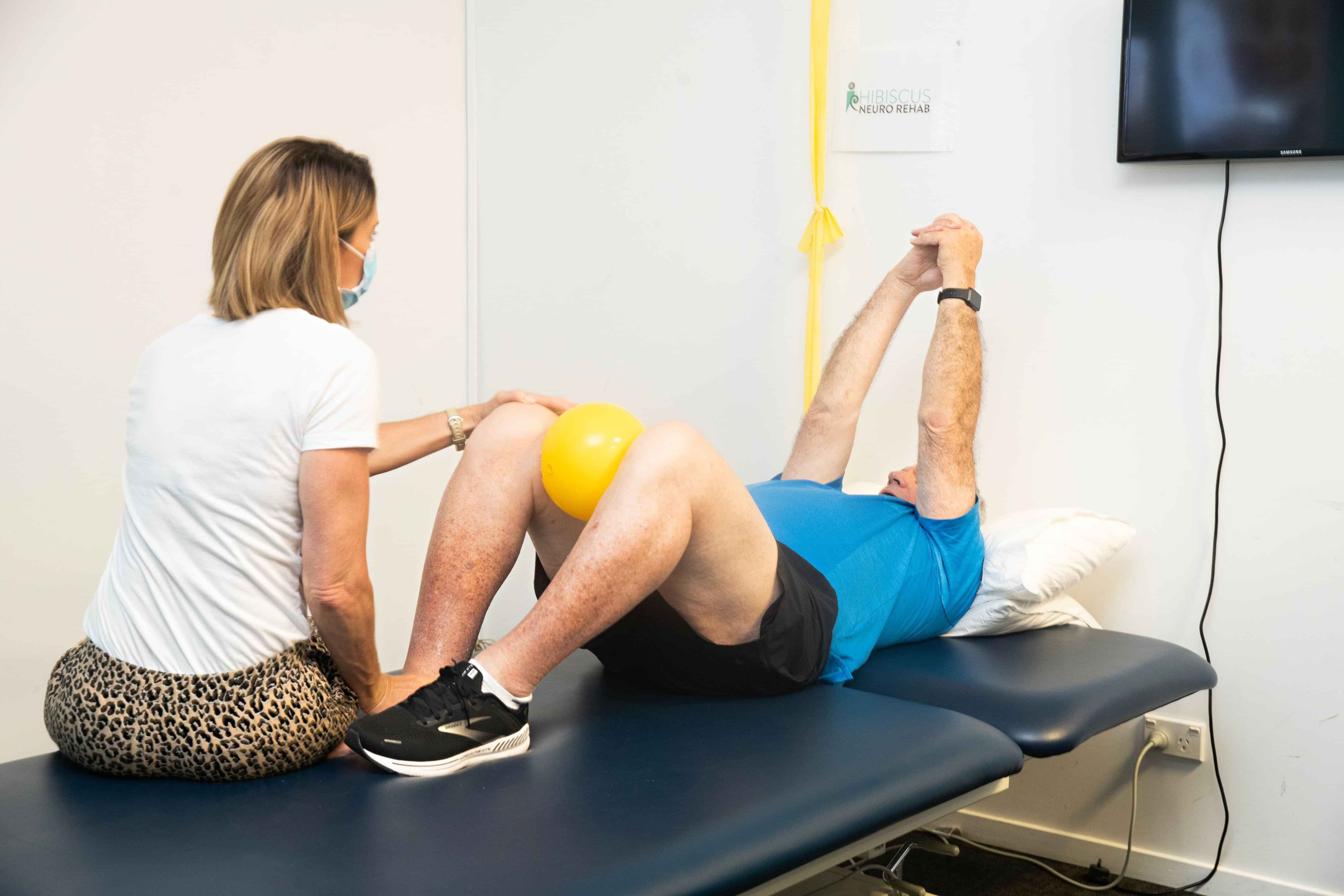
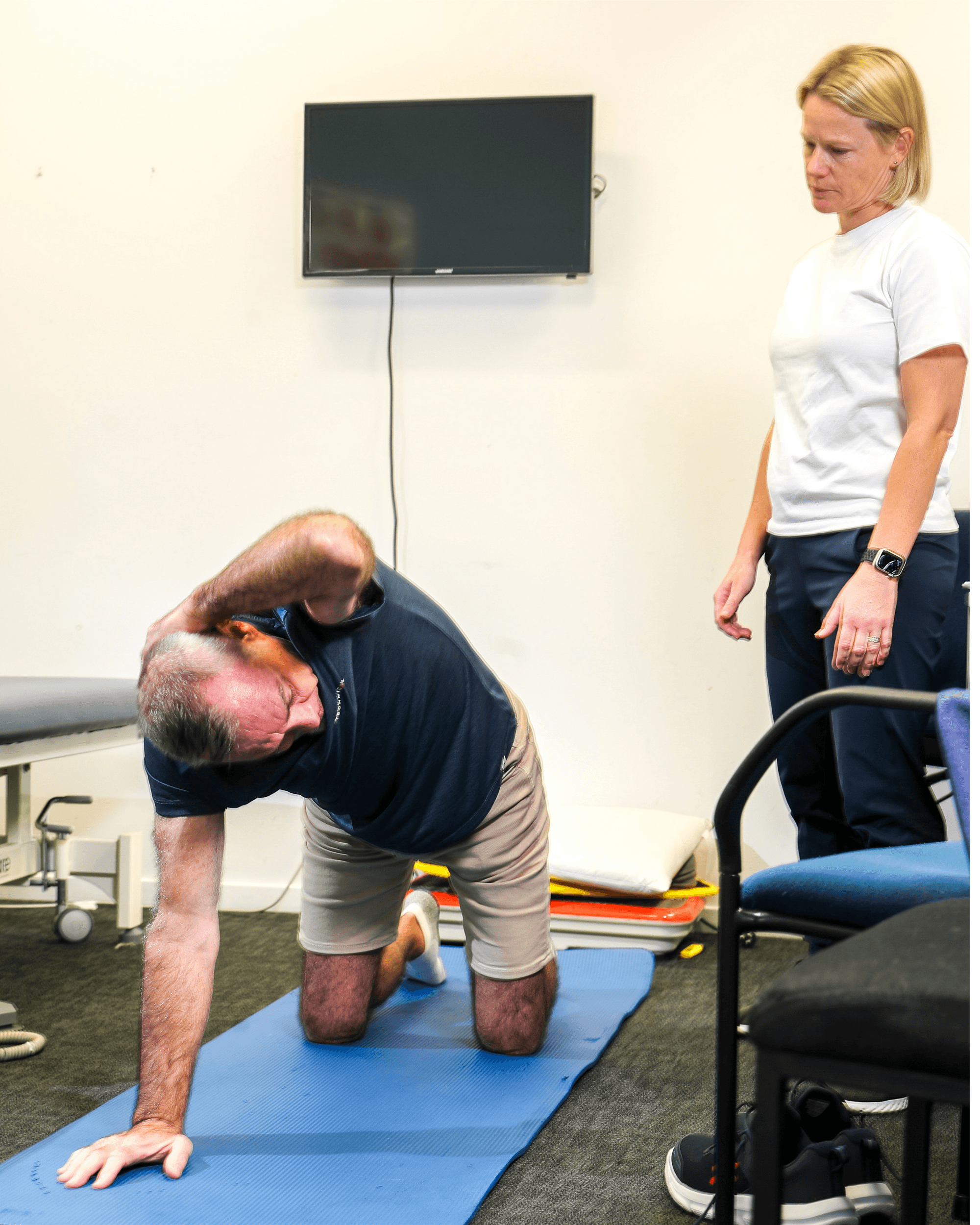
What Parkinson's Rehabilitation looks like at Hibiscus Neuro Rehab
We take an active, movement-focused approach to Parkinson’s rehabilitation, centred around helping you move with more intent, confidence, and consistency in everyday life.
We take an active, movement-focused approach to Parkinson’s rehabilitation — centred around helping you move with more intent, confidence, and consistency in everyday life.
Our clinicians are trained in Parkinson’s-specific approaches including PD Warrior, LSVT BIG, CUED UP, and Counterpunch.
While each has a different focus from movement amplitude and effort, to cueing and coordination - they all support how movement is initiated, controlled, and carried into real life.
We draw on these approaches where they’re appropriate for you, as part of a personalised programme, rather than following a fixed system.
Your programme may include:
Gait and walking rehabilitation - rhythm, stride, and reducing freezing
Amplitude based training to manage those small movements that occur
Balance training to reduce falls risk and build confidence
High-effort, neurologically targeted movement training
Strength and flexibility work to support posture and movement
Strategies for managing fatigue and pacing your day
Practical techniques to manage freezing and movement blocks
Occupational therapy support for daily tasks and home safety
Education for you and your family - understanding how Parkinson’s affects movement
We work alongside your wider care team - neurologists, GPs, and other allied health, to make sure rehabilitation fits with everything else you're managing.
Starting is the most important step
If you’ve recently been diagnosed, this is one of the most important times to begin.
Early rehabilitation helps you:
Build strong movement habits
Stay active and engaged
Maintain function for longer
You don’t need to wait for things to get worse before getting support.
If you’ve been living with Parkinson’s for years and feel like things have shifted, that’s just as important — your programme can be adapted to meet where you are now.
Ongoing support - not just a one-off programme
Parkinson’s doesn’t stay the same and your rehabilitation shouldn’t either.
We work alongside you over time, with:
Regular reviews
Progression of your programme
Ongoing guidance as things change
Maintenance support to help you stay consistent
For many people, rehabilitation becomes part of a longer-term approach to staying active, maintaining independence, and continuing to do the things that matter.

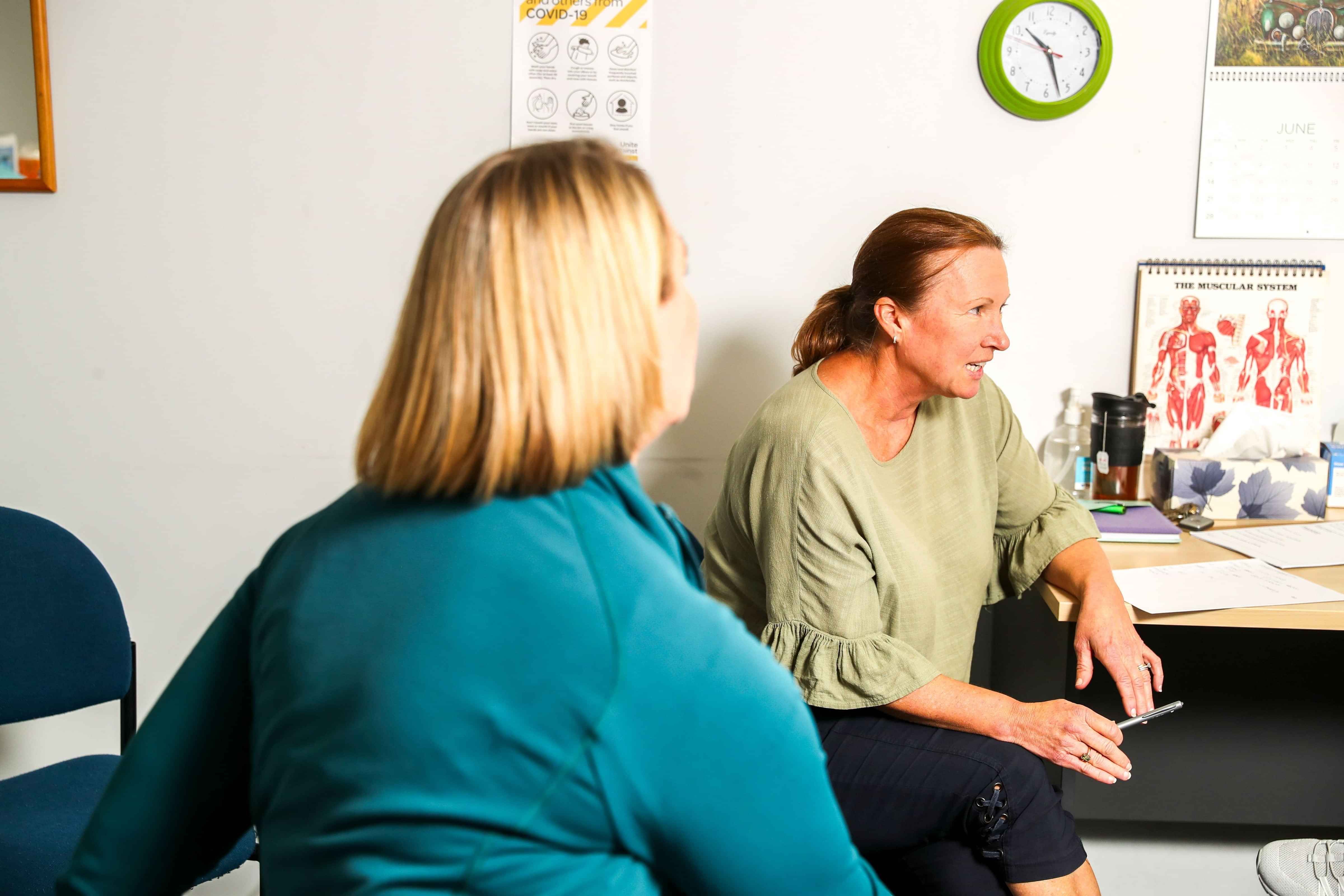
Your Questions Answered
I've only recently been diagnosed. Should I start rehabilitation now?
Yes, this is often the best time to start. Early rehabilitation helps build good movement habits and supports you to stay active and independent as things change over time.
Will rehabilitation slow down the progression of Parkinson's?
The research is genuinely encouraging here. While rehabilitation doesn't change the underlying condition, regular, targeted exercise - particularly high-intensity and neurologically focused movement - has been shown to help maintain function for longer and may have neuroprotective benefits. What we can say with confidence is that people who stay active and engaged with rehabilitation do better over time than those who don't.
I've been told I have freezing episodes when I walk. Can you help with that?
Yes. Freezing of gait is one of the things we work on specifically. We use practical strategies such as rhythmic cues, visual triggers, and targeted movement techniques to help reduce how often it happens and support you in real-world situations.
Do I need to keep doing rehabilitation long term?
For most people, rehabilitation works best as an ongoing approach rather than something short term.
That doesn’t mean constant appointments — but it does mean:
Staying engaged with movement
Having support when things change
Reviewing and progressing your approach over time
We work with you to build something sustainable that fits your life.
Do I need to stop seeing my neurologist if I come to you?
Not at all, we work alongside your neurologist, not instead of them. Parkinson's care works best when your team is coordinated. We communicate with your neurologist or GP where that's helpful, and to make sure rehabilitation fits with any medication changes or other aspects of your care.
My Parkinson's symptoms vary a lot from day to day. How does that affect rehabilitation?
We build programmes that can flex with how you're feeling on a given day, and we focus on strategies that work across your range, not just on your best days. Understanding your own patterns, when you're typically at your best, how medication timing affects your movement, becomes part of the programme
Programs and Services We Offer
Specialist physiotherapy for people living with neurological conditions - focused on movement, balance, strength, and getting back to the life you want.
Neuro Occupational Therapy
Supporting adults with neurological conditions to regain independence in daily life - from getting dressed to getting back to work, and everything in between.
Therapy Assistant Services
Skilled therapy assistant support to help you practise, build consistency, and get more from your rehabilitation - working under the guidance of your HNR clinician.
Assessment and rehabilitation for dizziness, vertigo, and balance disorders - helping you feel confident in everyday life.
Physiotherapy and occupational therapy support for older adults - maintaining independence, improving mobility, and staying safe and active in later life.
Clinician-led exercise classes for people with neurological conditions - structured, social, and designed to keep you moving between individual sessions.
Book a FREE Discovery Call
Not sure where to start? Book in a FREE 15 minute phone call with a member of our team so we can guide you in the right direction.
How we can help during this call?
Learn more about your situation and needs
Answer your initial questions
Explain how Hibiscus Neuro Rehab may be able to help
Guide you to the most appropriate therapist or service
You might be wondering
Can you actually help with my situation?
I’ve just received a diagnosis - what do I do next?
I know I need support, but I’m not sure where to start.
If that sounds like you, this call is a great place to begin.
Do you need a Doctor's referral?
No to see us, but for accessing ACC funded concussion services a GP referral is required as we might need to clarify this.
Do you do home visits?
Yes we do home visits covering the Hibiscus Coast and surrounding areas. Please get in touch so we can help.
Taking the first step can feel overwhelming, but you don’t have to do it alone. Hibiscus Neuro Rehab Whangaparoa and surrounding areas are here to support you from day one. We’re here for your next step, no matter how small.
Ph: 09 424 3254
Proudly providing Neuro Rehab in Whangaparoa, with home visits available across the Hibiscuss Coast and surrounding areas.