Spinal Cord Injury
A spinal cord injury changes a great deal. Rehabilitation is about finding out what's possible - and working steadily towards it.
Living with a spinal cord injury means navigating a body that may work very differently than it once did. Transfers that may take more effort. Movements that may require new strategies. The goals you're working toward might look different from what you originally imagined, they are still worth working toward.
What we see, again and again, is that with the right rehabilitation and the right support, people are able to make meaningful progress. Progress that matters in daily life.
That’s what we’re here for.
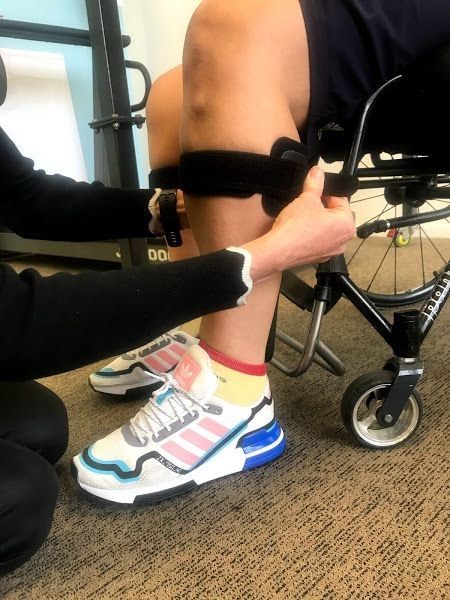
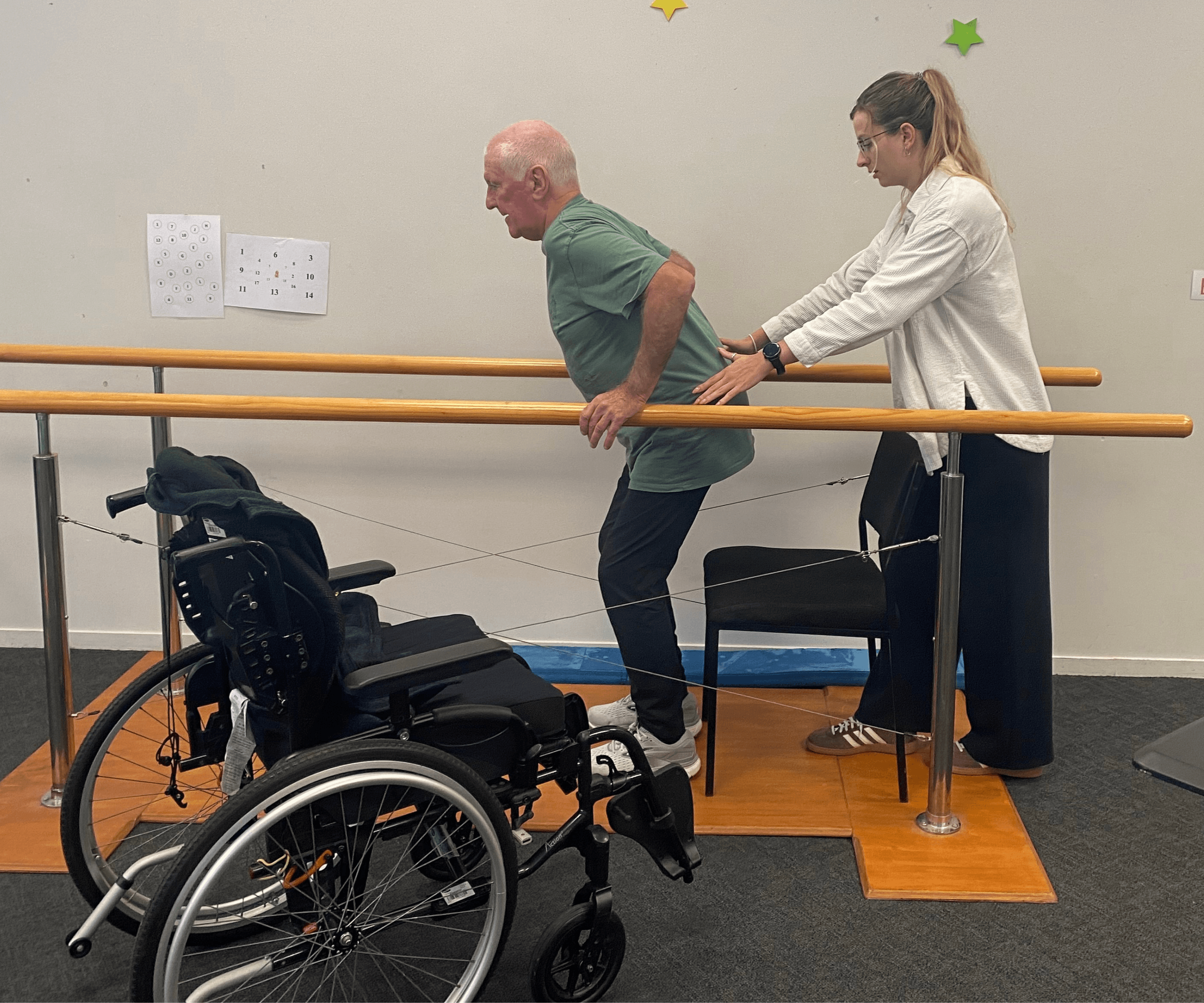
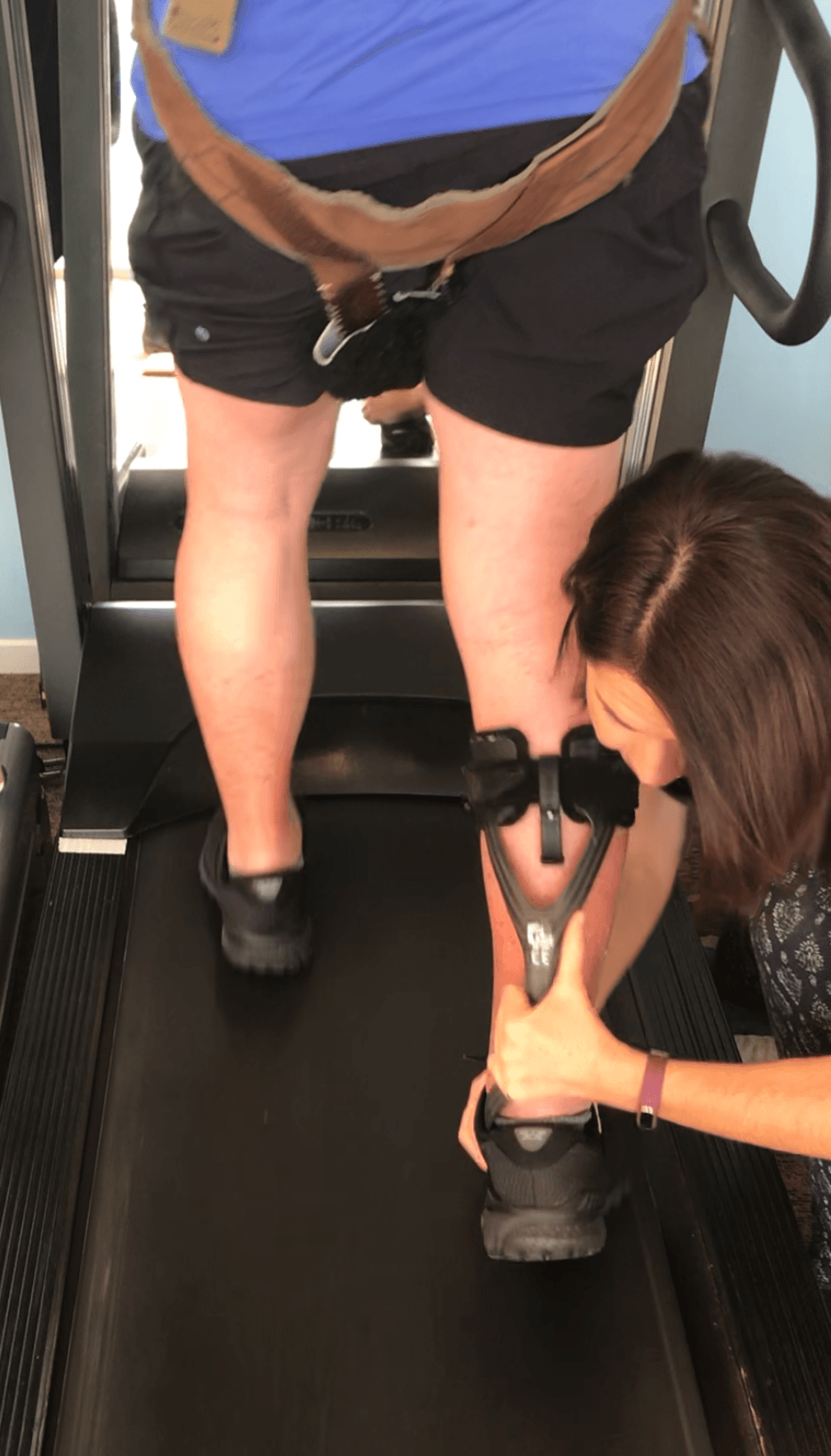
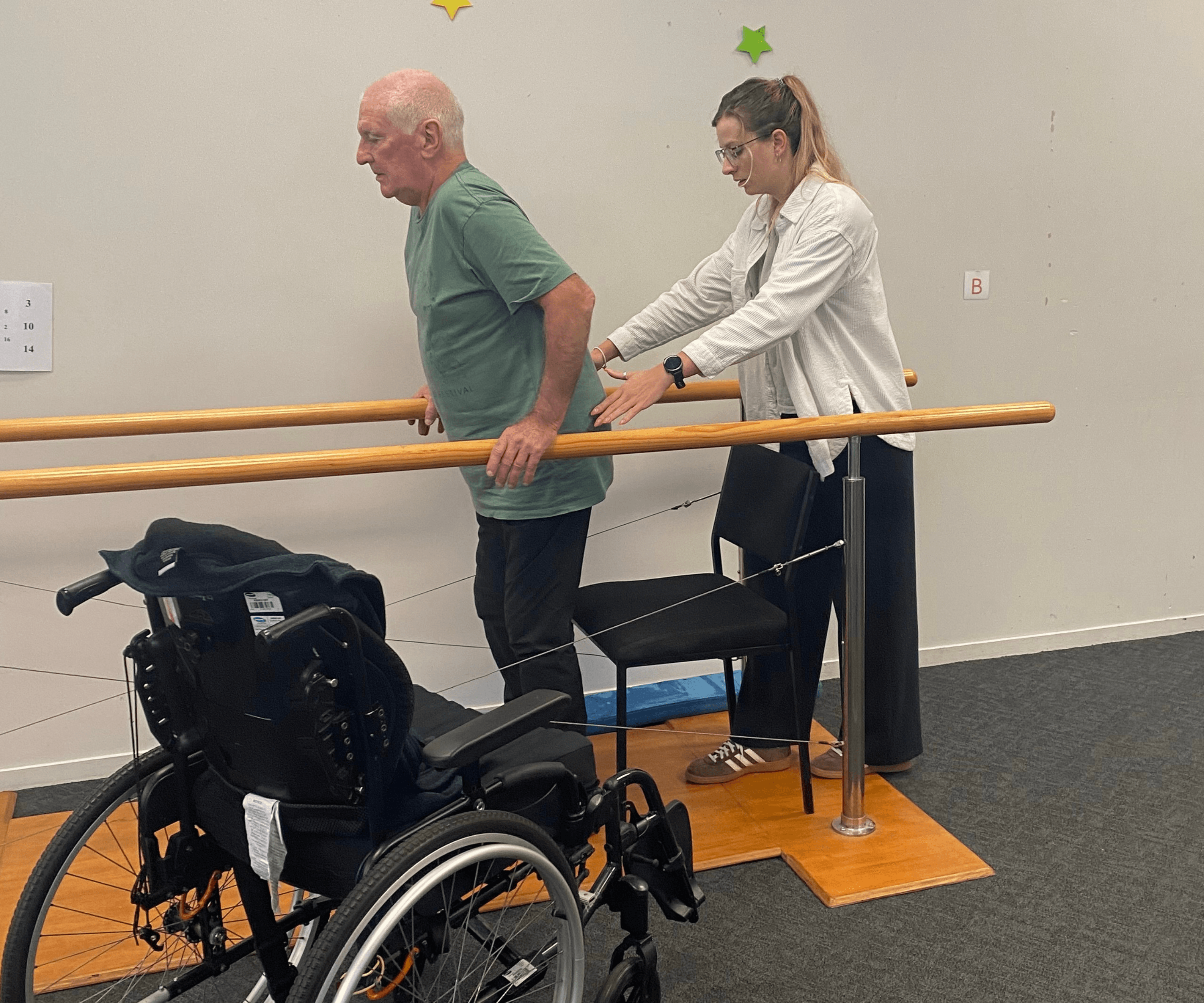
What Spinal Cord Injury Rehabilitation looks like at Hibiscus Neuro Rehab.
Rehabilitation is tailored to where you are right now, and where you want to get to.
That might mean transferring more confidently between your wheelchair and the car, building the upper body strength and control that everyday tasks rely on, getting in and out of bed with less assistance, or working back towards activities that matter to you - whether that’s a hobby, getting out into the community, or simply moving around your own home with less effort.
Your programme may include:
Strength and Movement Rehabilitation
Building what's available and working practically with what isn't
Transfer and Mobility Training
Wheelchair-to-car, wheelchair-to-bed, navigating uneven ground, kerbs, and tight spaces with more confidence
Balance and Postural Work
Supporting sitting stability, trunk control, and where appropriate, standing or stepping work
Fatigue and Energy Management
because spinal cord injury is physically demanding, and pacing matters
Occupational Therapy
Support for daily tasks, equipment, and home modifications that makes life easier
Home Visit and Community-Based Sessions
This is often the most relevant environment for rehab - practicing transfers and mobility and activities in your own environment not a clinic setup.
Planning and Goal-Setting
that reflects what YOU want to get back to
We work alongside ACC, and your wider care team wherever that's appropriate - so that your rehabilitation fits the bigger picture around you.
Wherever you are in your recovery, there is more to work toward.
Whether you're in the early stages following injury, or you've been living with a spinal cord injury for years and have specific goals in mind, it's worth exploring what's possible from here.
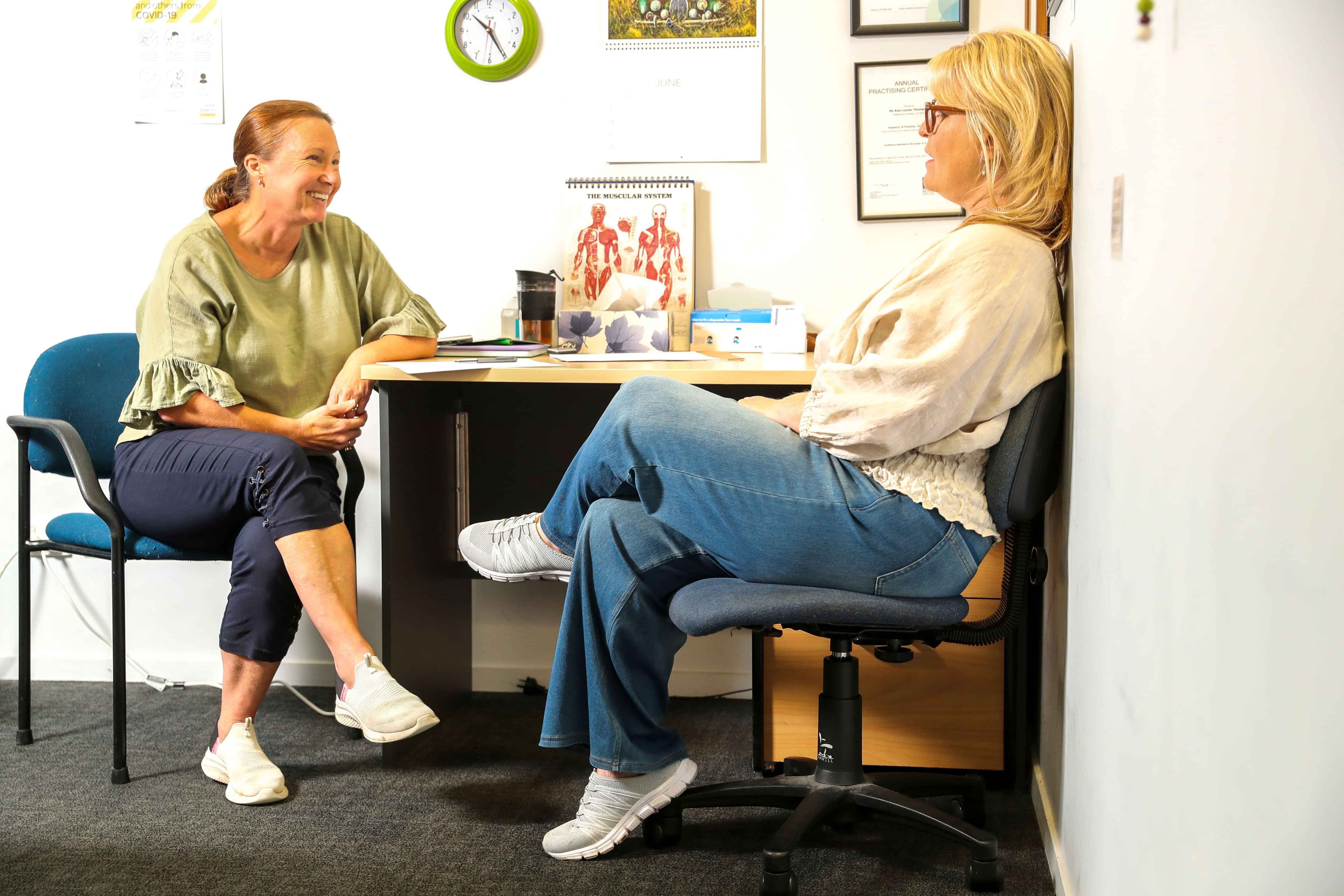
Your Questions Answered
I was injured some time ago. Will rehabilitation still help?
Yes. While larger physical changes often happen earlier on, rehabilitation can still be valuable at any stage. Many people find there are areas that haven’t been fully explored yet - or strategies that can make everyday life easier. An assessment helps clarify what may be possible for you now.
Can you help with the physical side of life at home , not just exercise?
Absolutely. This is a central part of what we do. Our Occupational and Physiotherapy team members look at the practical realities of daily life transfers, equipment, fatigue across the day, toileting, positioning getting in and out of vehicles
Occupational therapy is a core part of what we offer, and that's exactly where it's most valuable - in the practical, everyday things. Transfers, equipment, home modifications, getting in and out of vehicles, managing fatigue across a day. We're just as interested in what your life actually looks like as we are in your clinical presentation.
Do you work with ACC-funded patients?
Yes. Many of the people we see are ACC-funded, and we're familiar with the ACC process. If you're unsure about your funding status or what you're entitled to, we can help you navigate that.
We work both with med fees and training for independence programmes.
We work in the rehabilitation space; we do not directly work with wheelchair and seating, large equipment assessments, or housing modifications but we work with other providers to manage these needs.
No ACC referral is needed to make an initial enquiry - just get in touch and we'll work it out together.
I have an incomplete spinal cord injury. What does that mean for rehabilitation?
An incomplete spinal cord injury means that some signals are still getting through the injured area. From a rehabilitation point of view, that often means there is good potential to work with.
Our focus is on understanding exactly what movement, strength, and function you have right now and then building on that in a structured, practical way to work toward your goals.
In many ways, this doesn’t change the approach to rehabilitation. We still focus on the things that matter most in daily life; transfers, mobility, strength, endurance, and confidence in your own environment. What it does mean is that we may have more options to explore in terms of how your body can move and adapt over time.
A large proportion of spinal cord injuries are incomplete, and it’s one of the key reasons why ongoing rehabilitation remains important, even well beyond the early stages of recovery.
Can you come to me? Getting to a clinic is complicated.
Yes. Home visits are a core part of what we offer. For many people, this is the most practical and relevant option, and it allows us to work on the challenges that matter in your real-life environment.
Programs and Services We Offer
Specialist physiotherapy for people living with neurological conditions - focused on movement, balance, strength, and getting back to the life you want.
Supporting adults with neurological conditions to regain independence in daily life - from getting dressed to getting back to work, and everything in between.

Skilled therapy assistant support to help you practise, build consistency, and get more from your rehabilitation - working under the guidance of your HNR clinician.
Assessment and rehabilitation for dizziness, vertigo, and balance disorders - helping you feel confident in everyday life.
Physiotherapy and occupational therapy support for older adults - maintaining independence, improving mobility, and staying safe and active in later life.

Clinician-led exercise classes for people with neurological conditions - structured, social, and designed to keep you moving between individual sessions.
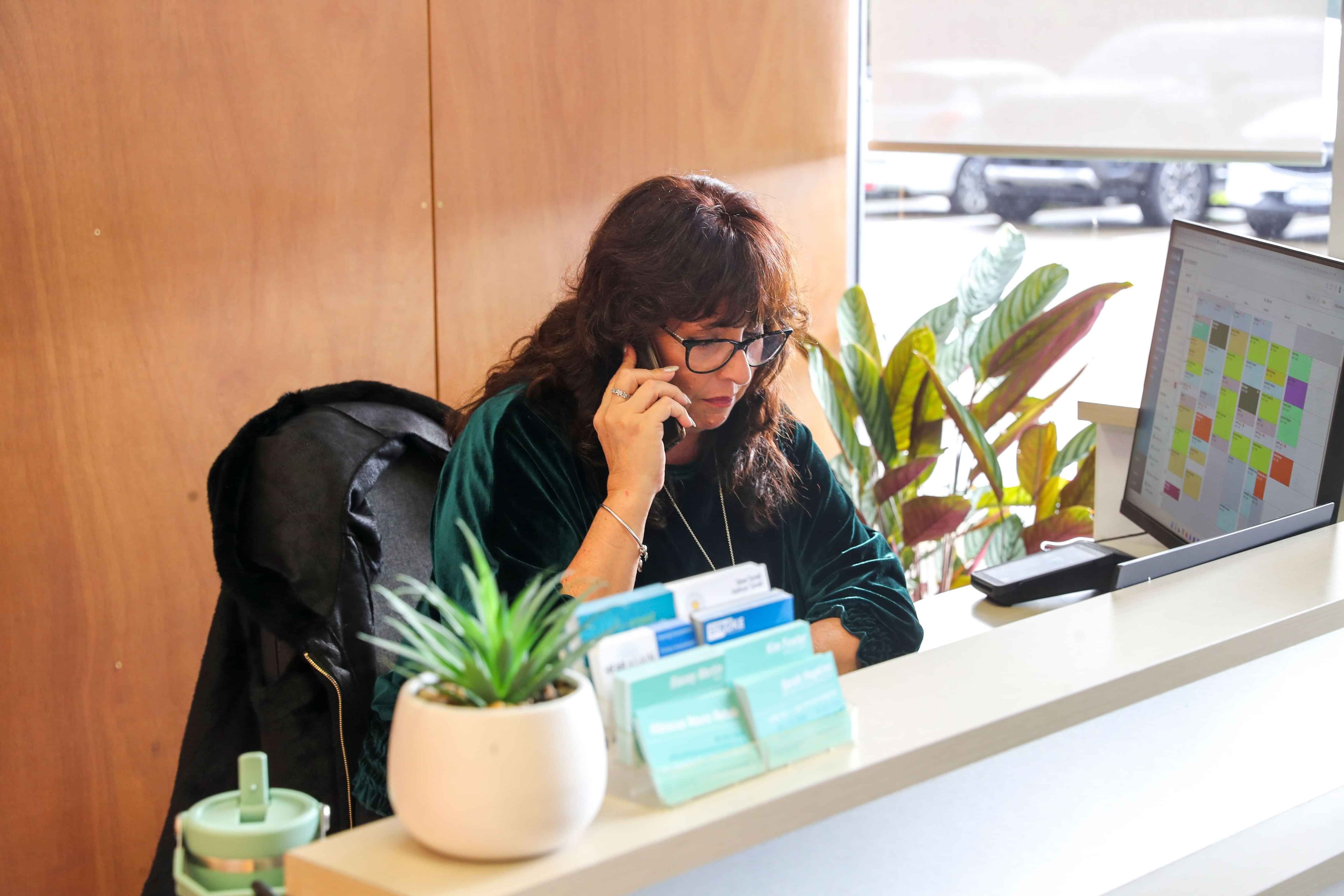
Book a FREE Discovery Call
Not sure where to start? Book in a FREE 15 minute phone call with a member of our team so we can guide you in the right direction.
How we can help during this call?
Learn more about your situation and needs
Answer your initial questions
Explain how Hibiscus Neuro Rehab may be able to help
Guide you to the most appropriate therapist or service
You might be wondering
Can you actually help with my situation?
I’ve just received a diagnosis - what do I do next?
I know I need support, but I’m not sure where to start.
If that sounds like you, this call is a great place to begin.
Do you need a Doctor's referral?
No to see us, but for accessing ACC funded concussion services a GP referral is required as we might need to clarify this.
Do you do home visits?
Yes we do home visits covering the Hibiscus Coast and surrounding areas. Please get in touch so we can help.
Taking the first step can feel overwhelming, but you don’t have to do it alone. Hibiscus Neuro Rehab Whangaparoa and surrounding areas are here to support you from day one. We’re here for your next step, no matter how small.
Ph: 09 424 3254
Proudly providing Neuro Rehab in Whangaparoa, with home visits available across the Hibiscuss Coast and surrounding areas.