
Functional Neurological Disorder (FND)
FND is real. It is also one of the most misunderstood conditions we see and one of the most treatable.
Functional neurological disorder (FND) can show up in many different ways:
weakness or paralysis without a clear structural cause
tremors or movement difficulties changes in movement
episodes that look like seizures
walking or balance difficulties
sensory changes
fatigue
cognitive symptoms
For many people, the hardest part isn’t just the symptoms - it’s feeling unheard.
Being told “it’s psychological” or that nothing can be done is something we hear often.
Neither of those things reflect what we understand about FND.
FND involves real changes in how the nervous system is functioning. The brain and body are not communicating in the usual way, and that can affect movement, sensation, and energy.
With the right approach, rehabilitation can support meaningful progress.
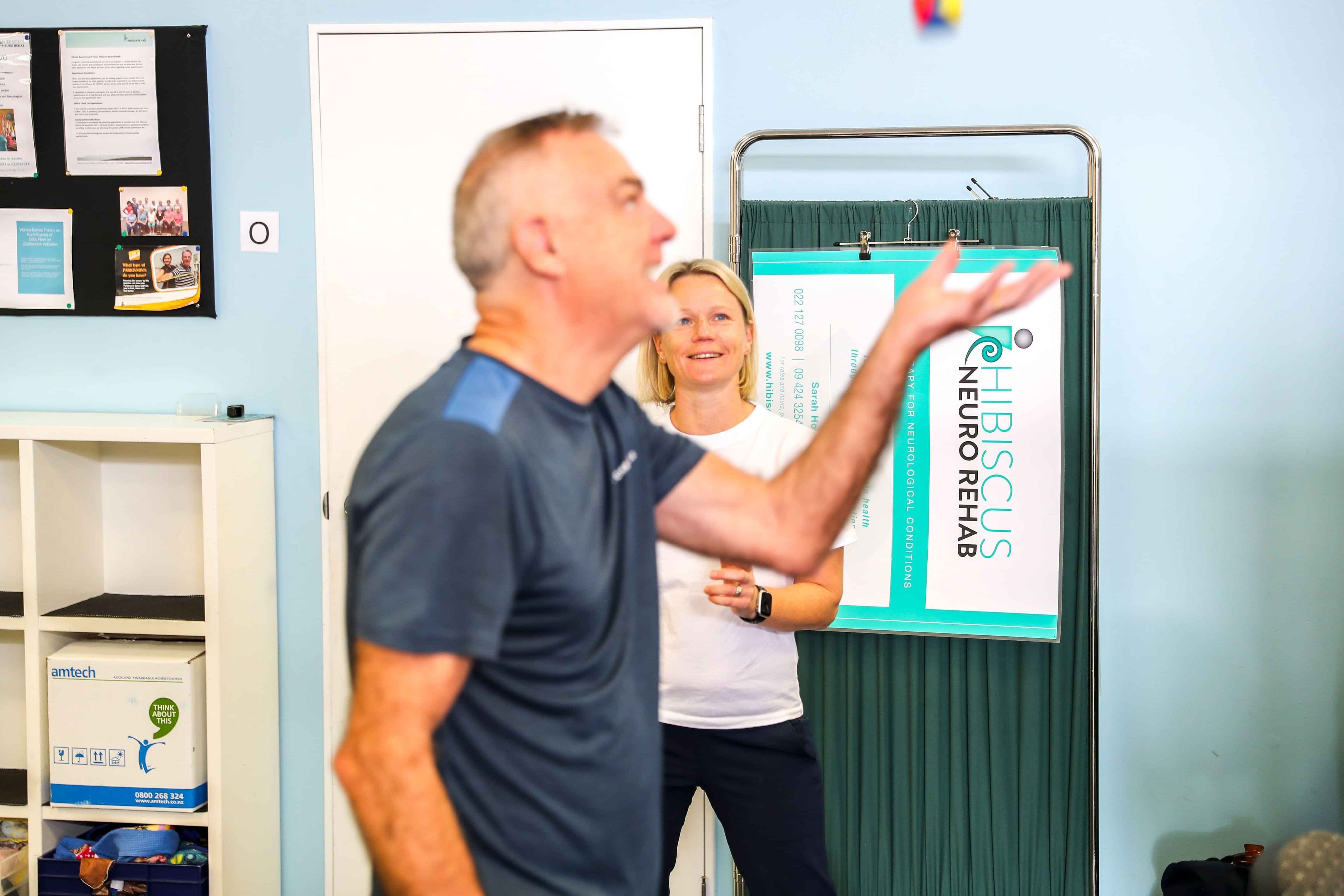
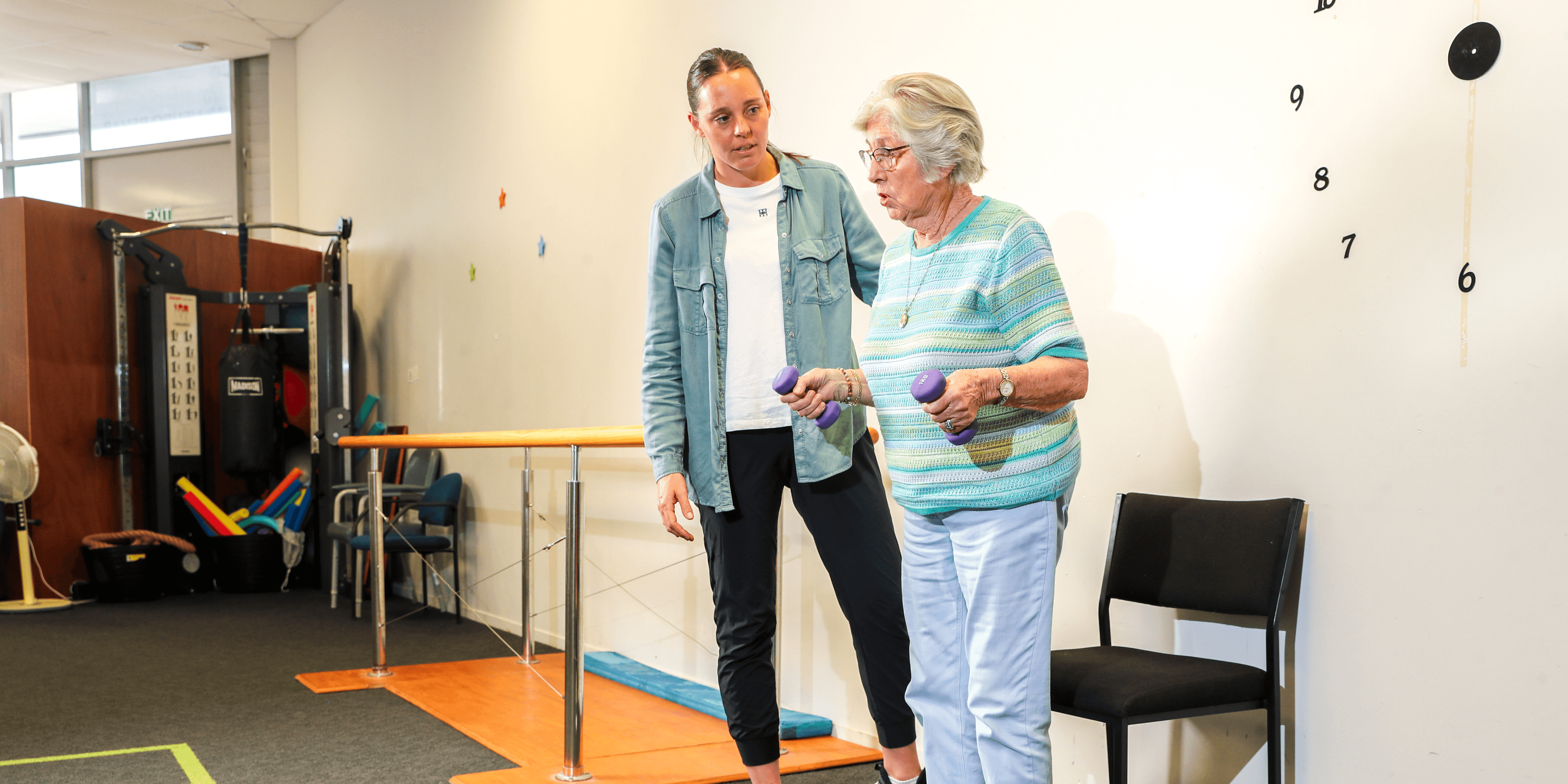
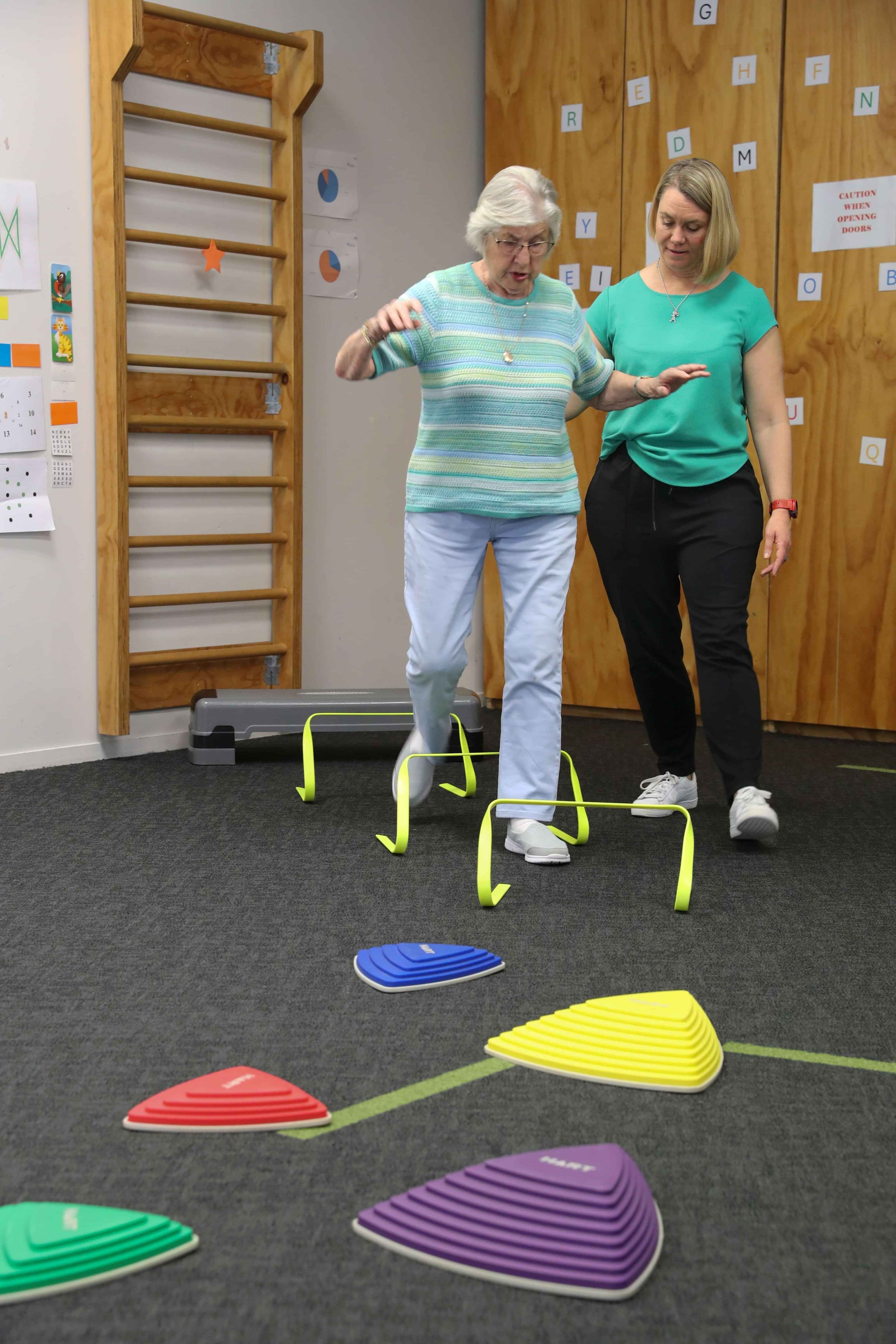
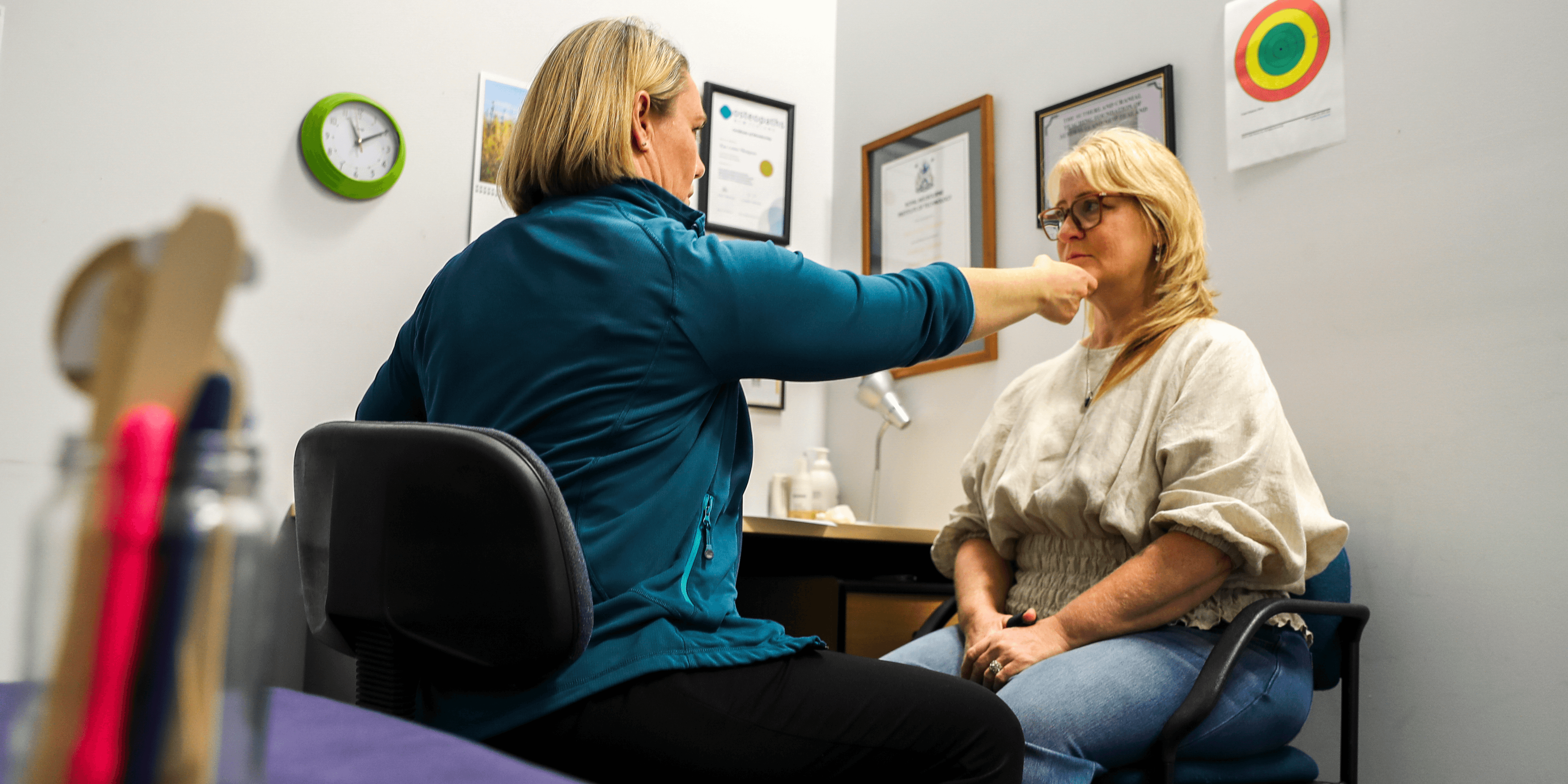

What FND rehabilitation looks like at HNR
FND rehabilitation is different from standard neurological rehab. It requires patience, careful pacing, and a deep focus on how the nervous system responds - not just to movement, but to attention, effort, and stress. We take that seriously.
Your programme may include:
Movement retraining using external focus
Movement retraining. Based on external focus.
Graded activity and Pacing
Building capacity gradually without triggering setbacks in a way your system can tolerate
Fatigue management
A central feature of FND that often has a significant impacts on daily life
Balance and walking rehabilitation
Adapted tailored to your specific presentation
Occupational therapy support
For returning to daily tasks, work, or meaningful activity
Education about FND
Understanding your condition is genuinely part of getting better rehabilitation and understanding the role of interoception and sensory components that can be driving FND
A collaborative, non-judgmental approach
Where you are believed, and we work together
We also work alongside GPs, neurologists, and psychologists where appropriate, because FND often benefits from coordinated care - because coordinated care can be an important part of support for FND.
Your Questions Answered
I've been told my symptoms are functional. Does that mean they're not real?
No, and this is one of the most important things we want to say clearly. Functional symptoms are real. They are not imagined, not exaggerated, and not simply psychological.
FND involves genuine changes in how the nervous system is functioning, the brain and body are sending and receiving signals differently.
The term 'functional' describes the nature of the problem, not its validity. Your symptoms are real, they have a real impact on your life, and they deserve proper care.
What kind of physiotherapy works for FND? I've tried physio before and it didn't help.
FND requires a different approach from standard physiotherapy.
In some cases, traditional exercise-based rehab can actually make symptoms worse — particularly if it focuses heavily on effort and attention in ways that don’t suit how FND responds.
FND-informed rehabilitation takes a different path:
Using external focus strategies
Working with automatic movement patterns
Pacing carefully
Building understanding of the condition
If previous therapy didn’t take this approach, that may explain why it didn’t feel helpful.
Do I need a formal FND diagnosis to come to you?
No - However we'd encourage you to see a neurologist before coming to us — both to confirm the diagnosis and to rule out other causes for your symptoms.
That said, if If you're in the process of getting a diagnosis and are struggling with symptoms in the meantime, please get in touch. We can talk through your situation and work out whether now is the right time to start, or whether it makes more sense to wait until your assessment is complete.
My symptoms come and go. How does rehabilitation work when I'm not always the same?
This is very common in FND, and it's something we plan for. We don't build programmes that only work on your good days, we think about the full range of how you present, and we give you strategies that are useful across that range. Understanding what makes your symptoms better or worse is itself a valuable part of rehabilitation. The variability isn't a barrier to progress; it's something we work with.
Should I be seeing a psychologist as well as a physiotherapist for FND?
For many people with FND, a coordinated approach involving both physical and psychological support gives the best outcomes. This doesn't mean the condition is 'all in your head', it means that the nervous system responds to psychological factors as well as physical ones, and addressing both tends to work better than either alone. We're happy to work alongside a psychologist or other mental health professional, and can help connect you with appropriate support if that would be useful.
Programs and Services We Offer
Physiotherapy for people living with neurological conditions - focused on movement, balance, strength, and getting back to the life you want.
Supporting adults with neurological conditions to regain independence in daily life - from getting dressed to getting back to work, and everything in between.

Skilled therapy assistant support to help you practise, build consistency, and get more from your rehabilitation - working under the guidance of your HNR clinician.

Assessment and rehabilitation for dizziness, vertigo, and balance disorders - helping you feel confident in everyday life.

Physiotherapy and occupational therapy support for older adults - maintaining independence, improving mobility, and staying safe and active in later life.

Clinician-led exercise classes for people with neurological conditions - structured, social, and designed to keep you moving between individual sessions.
If you’ve been struggling to find the right support - you’re not alone
Many people we see with FND say the same thing: They felt relieved just to speak with someone who understood what they are experiencing.
If that sounds familiar, you’re welcome to reach out.

Book a FREE Discovery Call
Not sure where to start? Book in a FREE 15 minute phone call with a member of our team so we can guide you in the right direction.
How we can help during this call?
Learn more about your situation and needs
Answer your initial questions
Explain how Hibiscus Neuro Rehab may be able to help
Guide you to the most appropriate therapist or service
You might be wondering
Can you actually help with my situation?
I’ve just received a diagnosis - what do I do next?
I know I need support, but I’m not sure where to start.
If that sounds like you, this call is a great place to begin.
Do you need a Doctor's referral?
No to see us, but for accessing ACC funded concussion services a GP referral is required as we might need to clarify this.
Do you do home visits?
Yes we do home visits covering the Hibiscus Coast and surrounding areas. Please get in touch so we can help.
Taking the first step can feel overwhelming, but you don’t have to do it alone. Hibiscus Neuro Rehab Whangaparoa and surrounding areas are here to support you from day one. We’re here for your next step, no matter how small.
Ph: 09 424 3254
Proudly providing Neuro Rehab in Whangaparoa, with home visits available across the Hibiscuss Coast and surrounding areas.